
Through a partnership that combines the Rural Electrification Agency’s financing and data systems with Sun King’s PAYGO-driven deployment model, solar energy reaches underserved communities across Nigeria at scale.
A retired government nurse, Ifiok Ufe,used to close her pharmacy in Ikot Udoma, a community in southern Nigeria, before sunset. Not because business slowed down, but because the lights did. “It is dangerous for me to sell drugs in the dark when I don’t have proper lighting in my shop,” she says. “Most of my customers come in the evening, but without light, I had to close early and miss them.” In February 2026, Ifiok Ufe installed a Sun King solar kit, which allowed her to keep her shop open into the evening. She now serves the customers she once turned away, and the money she used to spend on fuel for her generator stays in her business.
A few streets away, the impact looks different but no less immediate. Dickson Udoh, a businesswoman and mother of two, struggled with unreliable grid power and the rising cost of running a generator at home. Heat and noise made nights difficult, especially with a six- month-old baby. “As a new mom, heat was a major problem for my baby and me,” she says. “The grid is not stable in our area. The cost of fueling it alone was up to ₦50,000 (about US$30) a week, but with these Sun King products, we have been enjoying ourselves and saving so much more.” The same shift is happening across Nigeria, where millions of households and small businesses still lack reliable access to electricity. The difference now is not just technology. It is how that technology is delivered, financed, and scaled. At the center of this model is a working partnership between Sun King and the Rural Electrification Agency. One builds, installs, finances, and services solar products. The other helps ensure that the technology is rolled out to those who need it most through smart tracking and funding. The collaboration is building a repeatable way to reach people who need energy.
“We’ve grown from delivering 10,000 solar kits a month to approximately 330,000 every month.”
Sun King runs a fully integrated operation. It manufactures the products, finances them, installs them, and services them through a network of more than 40,000 agents across Africa. The agents handle installation and collect payments, maintaining systems in places where traditional infrastructure does not reach. Instead of requiring upfront cash, the company allows households and businesses to pay in small installments over time. That makes solar accessible to people who would otherwise be priced out. “We’ve grown from delivering 10,000 solar kits a month to approximately 330,000 every month,” says Omoyemi Olushola Tuga, Vice President of Pay-As-You-Go, West and Central Africa at Sun King.
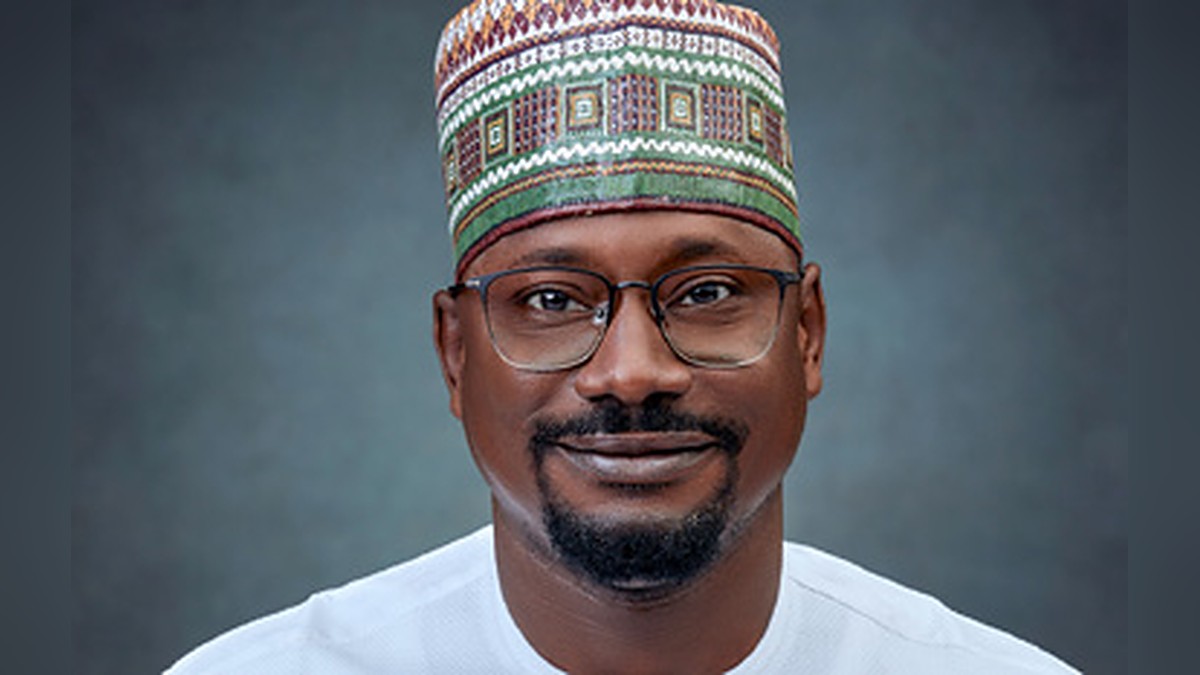
The Rural Electrification Agency builds the system around it by identifying communities without power, using national data to map demand, and designing programs that combine public funding with private execution. Companies like Sun King deploy the systems with funding tied to verified results. “One of the key strategic objectives of our approach is to deploy infrastructure in partnership with the private sector,” says Abba Abubakar Aliyu, Managing Director of the Rural Electrification Agency. The model works because each side does what it is built to do. The agency creates the conditions, and the company delivers at scale.
Around 600 million people across Africa still lack access to electricity. Programs such as Mission 300, led by the African Development Bank and World Bank, aim to reach 300 million people by 2030. Sun King has committed to delivering 50 million solar kits across the continent, reaching an estimated 200 million people by the end of the decade. In Nigeria alone, Sun King has increased its deployment of solar kits tenfold over the last five years.
The system is now expanding beyond distribution. An agreement signed in October 2025 between Sun King, the Nigerian government, and the Rural Electrification Agency sets out plans for the local assembly of key appliances Sun King deploys in Nigeria.
“One of the key strategic objectives of our approach is to deploy infrastructure in partnership with the private sector.”
It includes technical knowledge transfer and closer data integration. “The MoU we signed with Sun King is centered on using data and innovation to accelerate last-mile electrification,” says Aliyu. This adds a new layer to the model, bringing production closer to the market and creating jobs, while reducing reliance on imports.
The broader effect is visible in the market itself. The number of renewable energy service companies in Nigeria has grown from fewer than 50 to nearly 200. Regulatory changes have opened the sector to wider participation. Financing structures now pull in private capital alongside public funding.For customers, this shows up as light, longer working hours, lower costs, and more control over how they run their homes and businesses. Electrification is no longer only about building large infrastructure and waiting for it to reach everyone. It is about building systems that reach people directly, work within their income patterns, and scale without losing speed. In places like Ikot Udoma, the shift is already visible.

Rural Electrification Agency
LinkedIn: Rural Electrification Agency of Nigeria
X: @TheREANigeria
Sun King
LinkedIn: sunkingglobal
Facebook: GlobalSunKing
X: @SunKingGlobal