
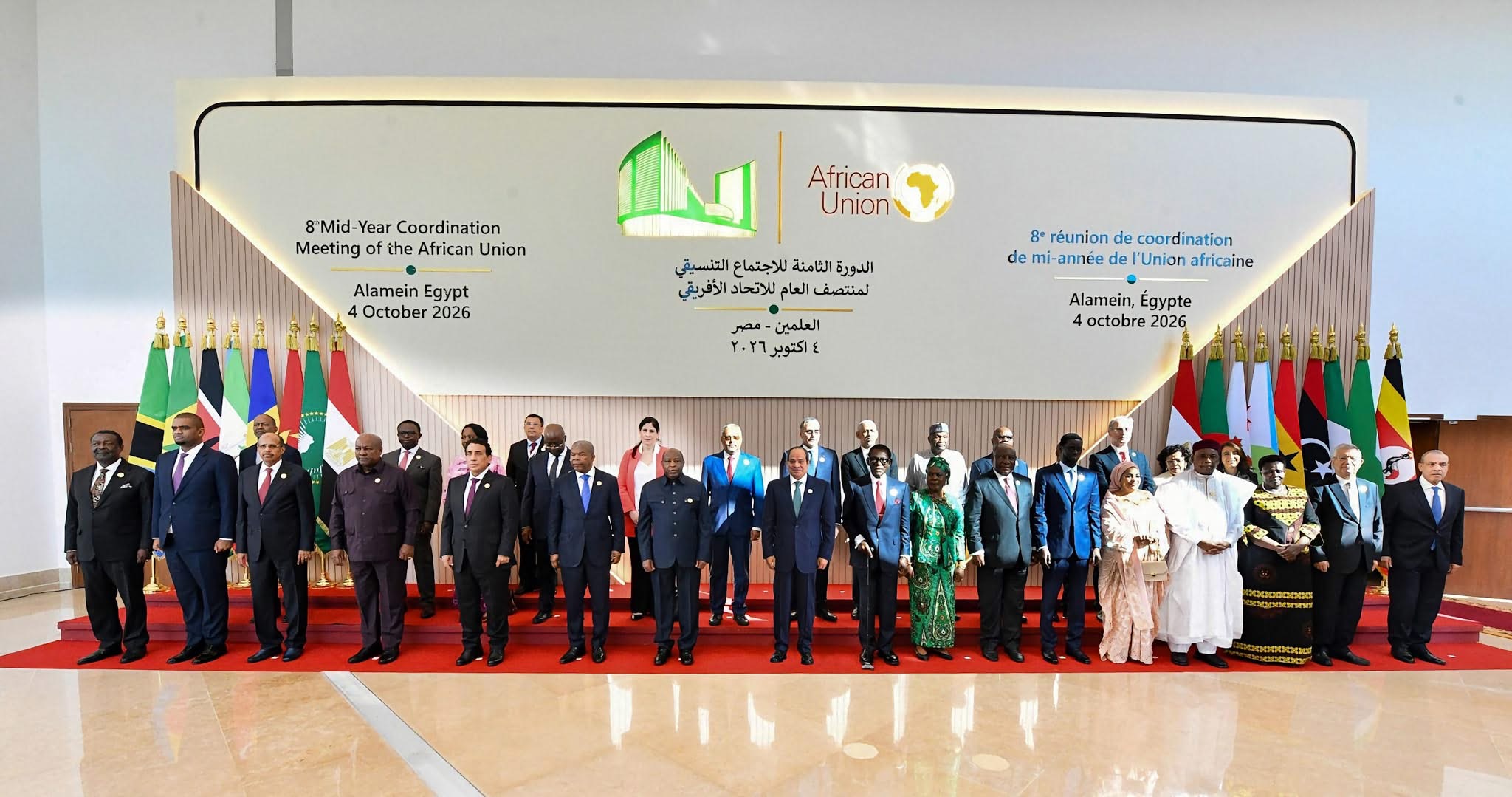
African leaders are pushing to turn continental trade from a long-standing policy ambition into something businesses can use in their everyday operations. At meetings in Egypt this week, the message increasingly focused on implementation: improving how goods, services, money, and information move between African markets.
At the 8th African Union Mid-Year Coordination Meeting in El-Alamein on 4 October, President Cyril Ramaphosa, attending as Chair of the Southern African Development Community, reaffirmed SADC’s commitment to implementing the African Continental Free Trade Area (AfCFTA), strengthening regional value chains and adding value to Africa’s mineral resources. His role reflects how regional economic communities such as SADC are expected to connect their integration efforts to the wider continental market.
The AU Commission has similarly called for Africa’s integration agenda to move from aspiration to implementation. Discussions at the Alamein Africa Forum also highlighted that making AfCFTA work for businesses requires more than reducing tariffs. African leaders and institutions pointed to practical systems such as harmonised customs procedures, mutual recognition of standards, cross-border payment systems and trade finance.
For businesses, these systems can determine whether selling into another African country is commercially viable. A trader needs to know what documentation is required, a manufacturer needs reliable transport and energy, and a business selling into another country needs a way to receive payment and comply with local standards.
The scale of the opportunity is significant. Intra-African trade reached $220.3 billion in 2024, up 12.4% from the previous year, but it still accounted for about 14.4% of Africa’s total trade, according to the African Export-Import Bank’s 2025 African Trade Report.
For businesses, that gap represents both a challenge and an opportunity. A more integrated African market could give manufacturers, traders and service providers access to customers and suppliers beyond their domestic markets. But that opportunity depends on whether the infrastructure being developed around AfCFTA can reduce the practical costs and risks of operating across borders.
One of the most practical examples is the Pan-African Payment and Settlement System, or PAPSS. Developed by Afreximbank, the system allows participating banks and businesses to make cross-border payments in African currencies, reducing reliance on third-country currencies and traditional correspondent banking arrangements. At the Allamein Africa Forum, discussions around the system highlighted its ability to settle payments within 120 seconds.
PAPSS is also beginning to build a record of use across the continent. The system currently processes about 70,000 unique transactions a month, according to figures presented at the forum. But the significance of that figure depends on how widely the system is being used by businesses engaged in actual cross-border trade, particularly SMEs.
Payment, however, is only one part of entering a new market. Businesses also need to know where opportunities exist, who potential buyers and partners are, and what is required to operate in another country.
President Abdel Fattah El-Sisi highlighted the importance of stronger connections among African businesses and greater access to information about opportunities in neighbouring markets. The AfCFTA Gateway is intended to help address this information gap by providing businesses with digital tools and market information to support cross-border trade.
With about 40,000 users, according to figures presented at the Alamein Africa Forum, the platform points to another part of the infrastructure being built around the continental trade agreement. Its significance, however, extends beyond the number of users. A business cannot take advantage of a market it does not know how to access. Access to information about potential customers and suppliers, market opportunities and trading requirements can help smaller businesses identify opportunities that may otherwise remain beyond their reach. For SMEs in particular, access to this information can be just as important as access to finance.
But finance itself remains central to whether African businesses can expand across borders. Speaking at the Alamein Africa Forum, the President and Chairman of the Board of the Directors at Afrixem Bank, Dr. George Elombi stressed the need for stronger continental financial systems: “We must build an African financial architecture in which African institutions can mobilize African savings, finance African trade, support African businesses and invest in Africa’s infrastructure at the scale our continent requires.”
The statement points to a wider challenge facing AfCFTA implementation. Reducing trade barriers does not automatically give businesses the financing, payment systems or infrastructure they need to operate across borders. A more integrated financial architecture could help connect African savings and capital to businesses and projects within the continent.
This is where the implementation challenge becomes more important than the policy announcement itself. African institutions are increasingly putting systems in place to address payments, market information, customs, standards, infrastructure, trade finance and regional value chains. The next test is whether those systems become familiar, accessible and widely used tools for the businesses that are expected to drive intra-African trade.
The vision emerging from Egypt is therefore larger than increasing a trade statistic. It is about making it easier for an African business to find another African market, identify customers and suppliers, navigate trading requirements, build a regional supply chain, receive payment and grow beyond its domestic customer base.
For the AfCFTA to deliver on that vision, the success of continental integration will ultimately be measured not only in agreements signed by governments, but in the number of businesses that can use the systems being built to trade across Africa with greater ease.