
Davos has a way of compressing the world into a single, snow-covered corridor. Leaders, founders, policymakers and investors move between venues in tightly choreographed sequences, each conversation carrying global weight. My time at the World Economic Forum in Davos, Switzerland, followed that familiar rhythm; discussions around sports investment, capital flows, artificial intelligence, climate transition and geopolitical alignment dominated the agenda. Yet one meeting stood apart from the rest. Sitting down with Alice Ruhweza and learning more about AGRA reframed my perspective not only on agriculture, but on how Africa’s long-term economic future is being structurally shaped. In an environment often driven by scale, speed and valuation, our discussion was grounded in something more fundamental: food systems, farmer resilience and institutional ownership.

The Radical Power of Local Ownership: Why “African-Led” is the New Standard
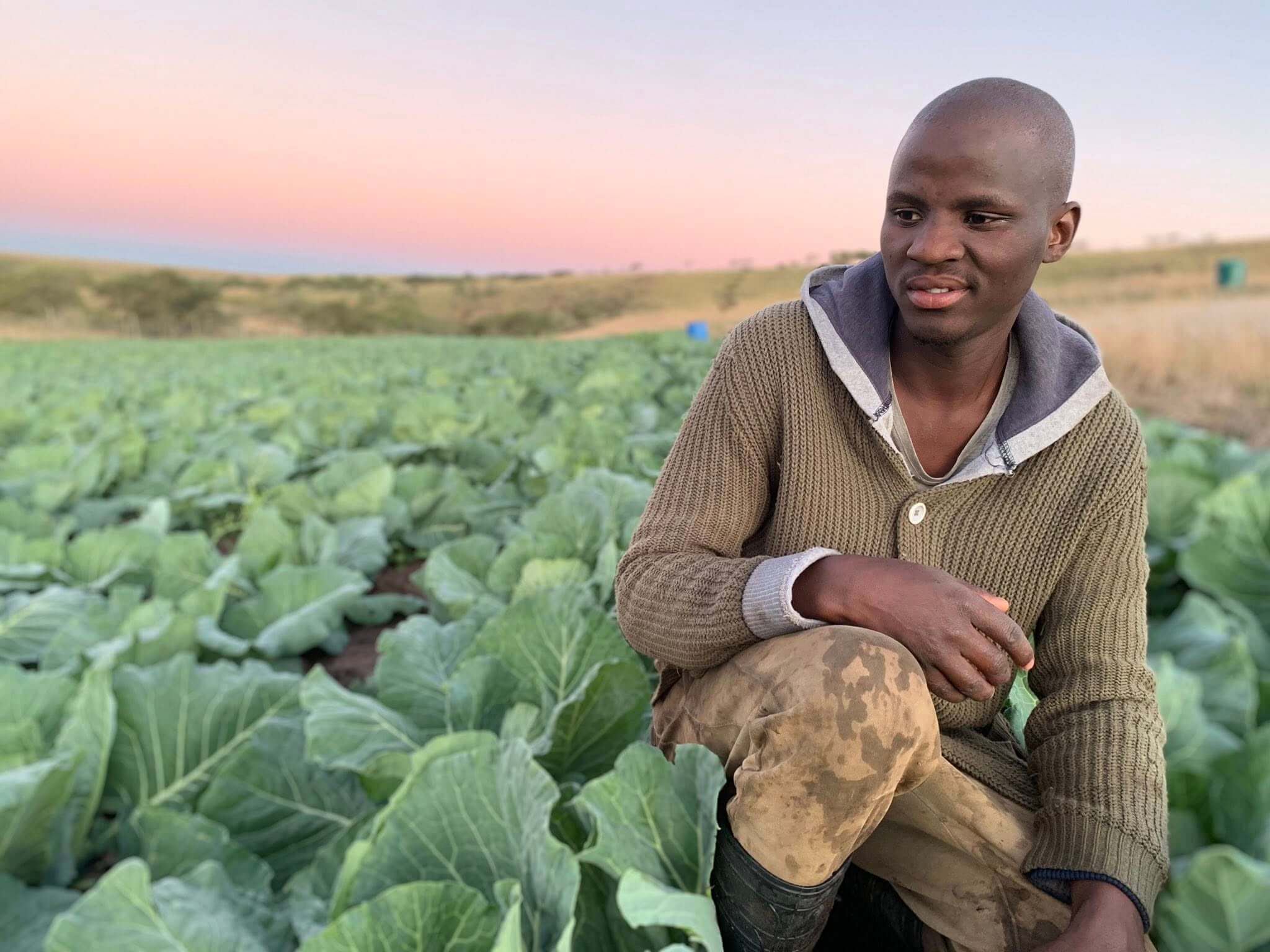
What struck me first was AGRA’s founding philosophy. As Alice explained, “AGRA was born from a simple but radical belief: that Africa’s food systems would only succeed if African farmers and institutions were at the center of the solution.” That principle carries weight because it challenges decades of externally designed agricultural development models. Too often, interventions across the continent have been structured from the outside looking in, shaped by global agencies, foreign policy agendas, or short funding cycles. AGRA’s model inverts that dynamic. It begins with local farmers, local enterprises and local ecosystems, then builds outward. That approach has defined the organization’s work for twenty years, and the results are no longer theoretical.
Operating across more than a dozen countries, AGRA has helped mobilize over $1.4 billion for African agriculture. But the capital itself is only part of the story. What matters more is how it has been deployed, strengthening agricultural systems rather than funding isolated projects. Seed infrastructure, enterprise development, financing mechanisms and institutional capacity have all been focal points. Agriculture at scale requires more than land and labour. It requires functioning input markets, distribution networks, research capabilities, and private-sector participation. AGRA’s work has centered on building those enabling environments so productivity gains can be sustained rather than temporary.
“AGRA was born from a simple but radical belief: that Africa’s food systems would only succeed if African farmers and institutions were at the center of the solution.” — Alice Ruhweza
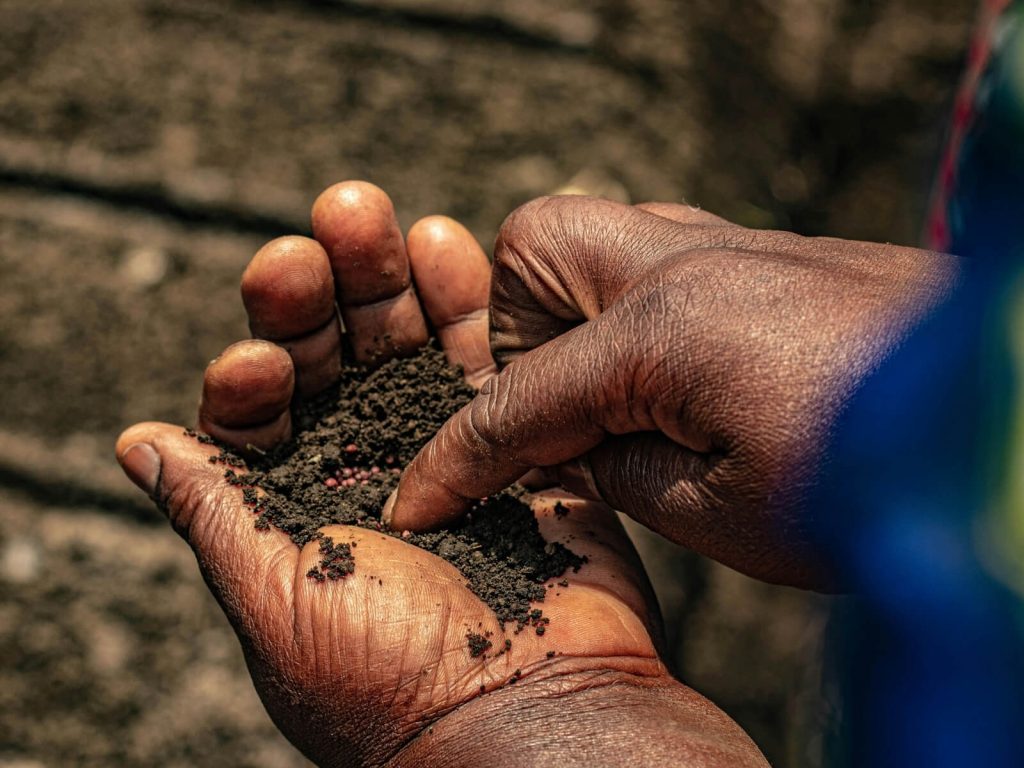
Seed systems, in particular, illustrate this systems-first approach. While rarely discussed in mainstream economic forums, seed access is one of the most critical drivers of agricultural output. Through its interventions, AGRA has helped build African seed companies from the ground up while advancing climate-smart crop varieties suited to local conditions. This has allowed millions of smallholder farmers to access quality seeds within their own regions rather than relying on distant imports or inconsistent supply chains. The impact is practical, measurable, and immediate. Better seeds produce stronger yields, and stronger yields translate into higher incomes and a more stable food supply.
The “5km Revolution”: How Accessibility is Driving a 45% Yield Surge
Accessibility has been one of the most transformative shifts. Farmers who once travelled more than 20 kilometres to purchase quality seeds can now obtain them within five. That reduction may seem logistical on the surface, but its economic implications are significant. Lower transport costs, time savings, and improved planting timelines all contribute to higher adoption rates. In multiple markets, seed adoption has now surpassed 20%, a major increase in regions where improved seed uptake historically lagged due to affordability and availability constraints. Access, it turns out, is one of the most powerful productivity multipliers in agriculture.
The yield gains linked to these improvements reinforce that point. In Ghana, maize yields have increased by up to 45%, while soybean yields have risen by 11%. These are not marginal improvements; they are structural productivity shifts that impact household income, national food supply, and trade balances. Higher yields reduce dependency on imports, strengthen domestic markets, and stabilize food pricing. When replicated across multiple crops and regions, the macroeconomic effect becomes substantial. Agriculture begins to function not just as a subsistence activity, but as an investable growth sector.
As AGRA marks its twentieth anniversary, the milestone serves as both a reflection and a strategic reset. Alice described AGRA@20 as a moment to assess progress while sharpening focus for the decades ahead. “AGRA@20 marks both a reflection on how far we have come and a deliberate shift toward what must come next,” she noted. That forward lens is essential because Africa’s agricultural landscape is being reshaped by converging structural pressures, climate volatility, demographic expansion and labour market dynamics, chief among them.
“Accessibility has been one of the most transformative shifts…” through “…an investable growth sector.”
Climate variability is already altering growing cycles across the continent. Erratic rainfall, prolonged droughts, and soil degradation are forcing shifts in crop selection and farming methods. At the same time, Africa’s youth population is expanding rapidly, yet agriculture struggles to attract younger participation due to perceptions around profitability and modernity. Overlay that with surging food demand driven by population growth and urbanization, and the scale of the challenge becomes clear. Feeding cities requires not just more production, but smarter logistics, storage, processing and intra-African trade systems.
Food Sovereignty: The Foundation of Africa’s Next Era of Growth
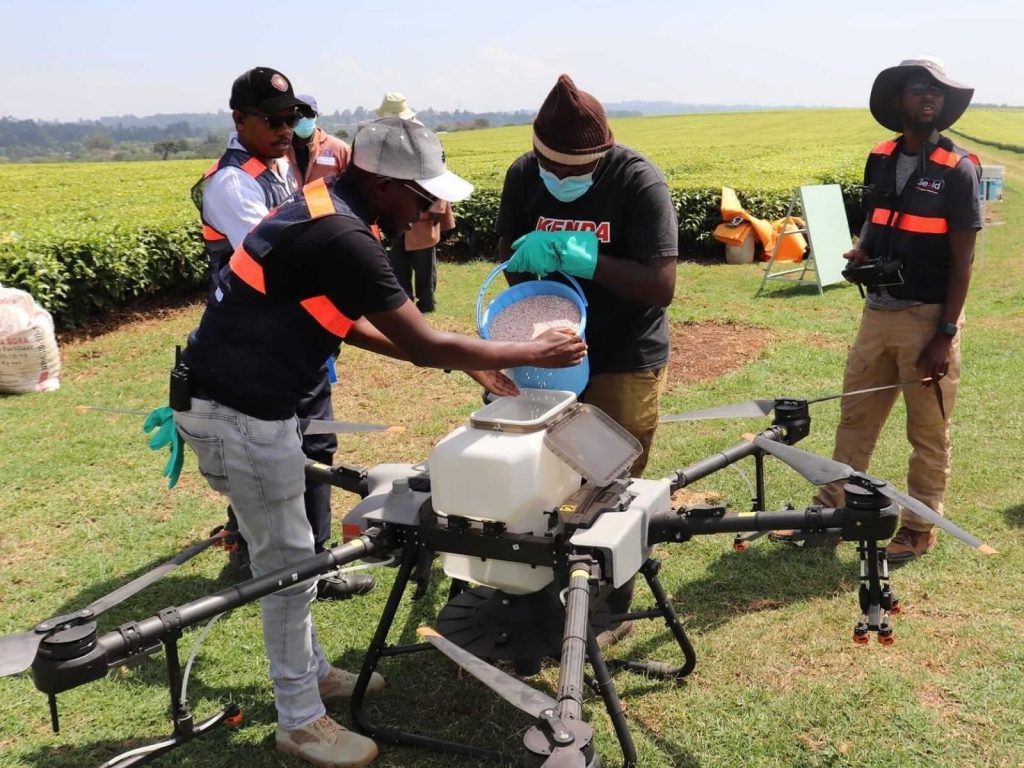
One of the most compelling insights from Davos was how global investors are beginning to reassess African agriculture within this broader context. The narrative is evolving from aid dependency to investment opportunity. Food systems sit at the intersection of infrastructure, fintech, logistics, manufacturing and climate technology. When agricultural productivity rises, it activates entire value chains, warehousing, transport, export and processing. AGRA is helping position African agriculture within that investable framework, demonstrating that food systems can deliver both developmental impact and financial return.
Yet beyond capital, institutional leadership remains central. As Alice emphasized, the next chapter is about “renewing our mandate to listen more closely, partner more deeply, and help build food systems that are resilient, inclusive, and unmistakably led from within Africa.” That emphasis on internal leadership mirrors a broader continental shift. Across sectors… finance, infrastructure, media, African institutions are increasingly shaping their own development trajectories. Agriculture, given its scale and societal impact, sits at the core of that sovereignty.
Walking through Davos after our discussion, I found myself viewing the forum differently. Conversations around technology and capital remained vital, but food systems underpin them all. Without food security, healthcare systems strain, educational outcomes weaken, and political stability erodes. Agricultural resilience is therefore not peripheral to economic growth; it is foundational to it. AGRA’s 20-year journey demonstrates what becomes possible when long-term capital, policy alignment and local institutional leadership converge around a shared objective.
My time in Davos reinforced a simple but powerful realization: Africa’s next era of growth will not be built solely in boardrooms, venture funds, or policy summits. It will also be built in fields, research labs, storage facilities, and rural enterprises by farmers and agricultural entrepreneurs whose productivity anchors national economies. Sometimes the most transformative global conversations do not begin with billion-dollar announcements.
Sometimes they begin with a seed, planted locally.

Jason Coke is managing partner at Global Venture Partners and contributing editor at TIME Africa. Jason is a visionary voice in the Pan-African digital community, focusing on investment, agricultural sovereignty, and the strategic growth of the continent.