
The Drake Paradigm: When “The Industry” Is No Longer Enough
Drake’s reported decision to release three albums simultaneously in order to fulfill the remainder of his recording obligations is being framed by many as a music industry spectacle — another headline in a career built on disruption, dominance, and calculated reinvention.
But beneath the headlines sits a more profound story: one about leverage, ownership, and the increasingly global rejection of extractive economic relationships.
At the same moment Drake appears locked in a legal and commercial battle with one of the world’s largest music conglomerates, African nations are engaged in battles of their own — attempting to renegotiate decades-old critical mineral agreements that exported raw value outward while leaving little industrial wealth behind.
The juxtaposition is striking.
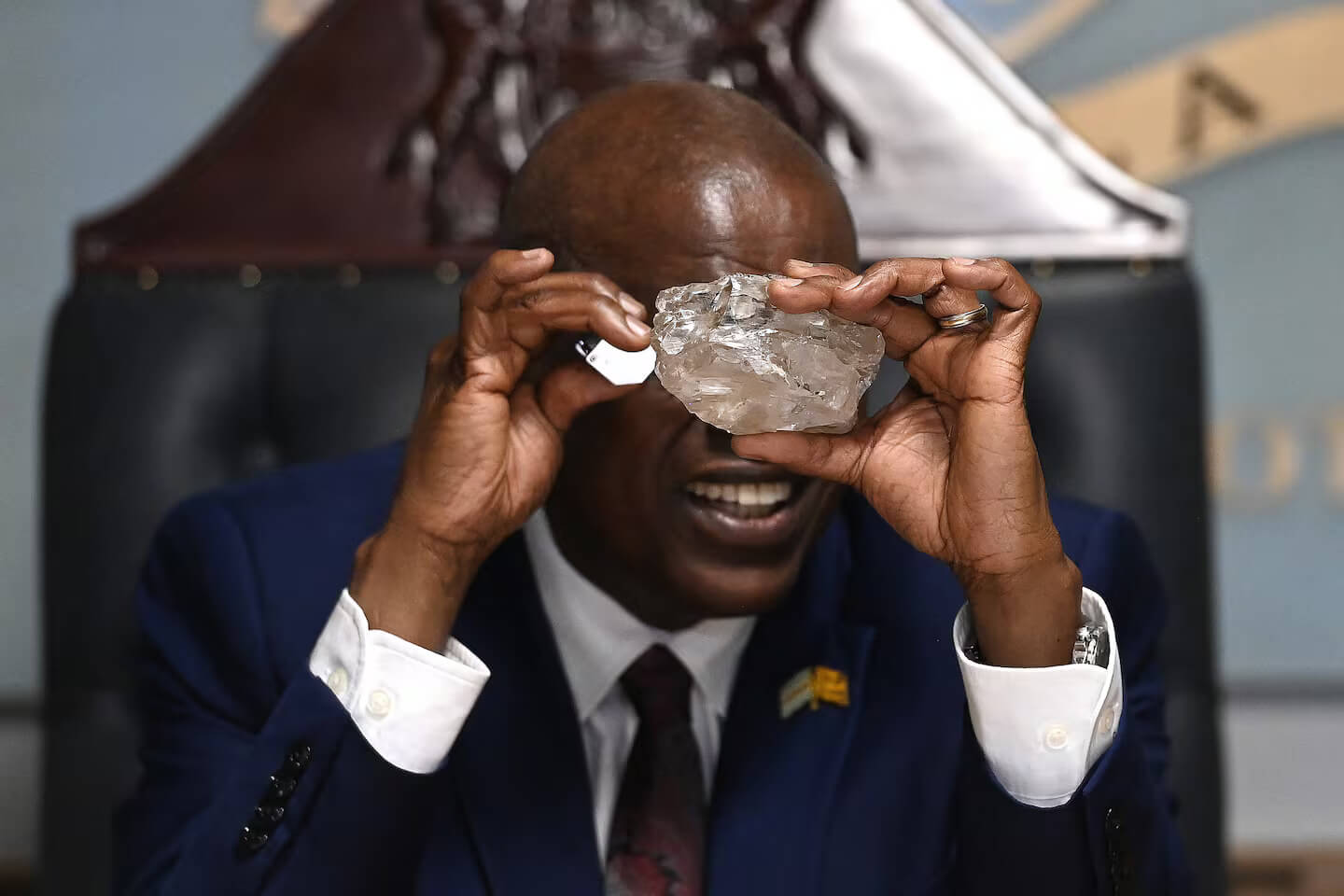
From cobalt in the Democratic Republic of Congo to lithium in Zimbabwe, from Namibian uranium to Botswana’s diamonds, African governments are increasingly asking a question that sits at the center of both geopolitics and modern capitalism:
Who truly profits from value once the world decides it needs what you produce?
For decades, the answer was rarely Africa.
Colonial economic systems — and, in many ways, post-colonial commercial systems that followed — were designed around extraction. Raw materials left the continent cheaply. Finished products returned at exponentially higher value. The infrastructure of wealth creation — refining, manufacturing, branding, financing, distribution, intellectual property, and pricing power — largely existed elsewhere.
The producer remained dependent, even while possessing the underlying asset the world could not function without.
The modern music industry has often operated similarly.
Artists created culture. Labels controlled infrastructure.
The artist supplied the raw material: the music, the image, the emotional connection, the audience gravity. But the systems surrounding ownership, licensing, distribution, monetization, and scale historically belonged to corporations powerful enough to dictate the terms of participation.

For years, this imbalance was accepted as the cost of access.
But technology changes bargaining power.
Streaming platforms, direct-to-consumer ecosystems, social media distribution, creator economies, and audience-owned monetization have dramatically reduced the gatekeeping power once held exclusively by traditional industry structures. In the same way that African governments increasingly recognize the strategic leverage embedded within critical minerals essential for batteries, AI infrastructure, and the global energy transition, artists increasingly recognize the strategic leverage embedded within culture itself.
Sovereignty begins with understanding the value of what you already possess.
That is why Drake’s reported strategy resonates beyond music.
Releasing three albums simultaneously is not merely prolific output. Symbolically, it represents an attempt to compress obligation into liberation — to accelerate the transition from contractual dependency into strategic autonomy.
Whether one views the move as brilliant, confrontational, risky, or theatrical, the underlying message is unmistakable: control matters.
Africa is arriving at a similar realization.
Across the continent, governments are attempting to move beyond the historic role of raw commodity exporter and toward something more ambitious: ownership of the broader value chain itself.
That means local refining.
Domestic battery production.
Regional manufacturing.
Technology ecosystems.
Industrial processing.
Cross-border trade infrastructure.
Energy sovereignty.
Financial independence.
Not merely extracting value — but retaining it.
This shift is not without complexity. Independence, whether artistic or economic, carries enormous risk.
Labels still possess scale, capital, infrastructure, legal machinery, and global distribution advantages. Likewise, many African nations continue facing financing constraints, infrastructure gaps, debt exposure, and geopolitical pressure from larger global powers competing for strategic access to resources.
Sovereignty is not a slogan. It is infrastructure.
And infrastructure is expensive.
Yet the psychological shift itself may prove irreversible.
The defining economic story of the 21st century may ultimately revolve around producers of value recognizing the asymmetry embedded within the systems surrounding them — and deciding to renegotiate those systems entirely.
That conversation is now happening across music, technology, artificial intelligence, data ownership, semiconductor supply chains, and critical minerals.
The central question remains the same in every sector:
Who owns the upside once the world decides it cannot function without your output?
For generations, Africa exported raw potential while importing finished wealth. Today, the continent is increasingly challenging that arrangement.
Drake’s battle with the machinery of the modern music industry may appear worlds away from lithium negotiations in Southern Africa or cobalt policy debates in Kinshasa.
In reality, they may be asking the exact same question.
What happens when the producer finally understands their worth?