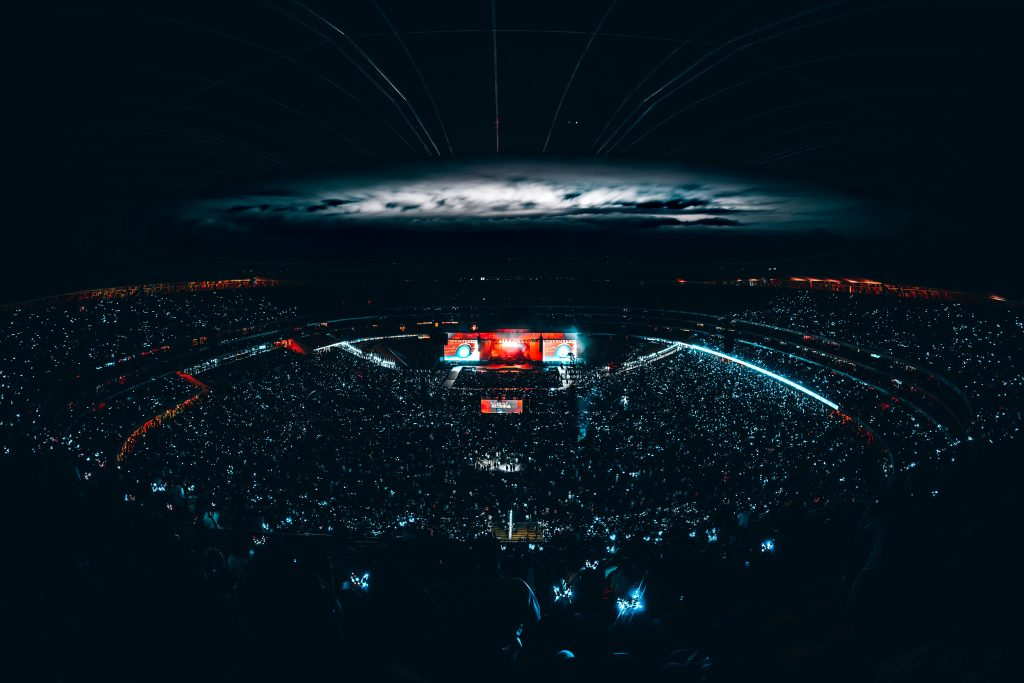
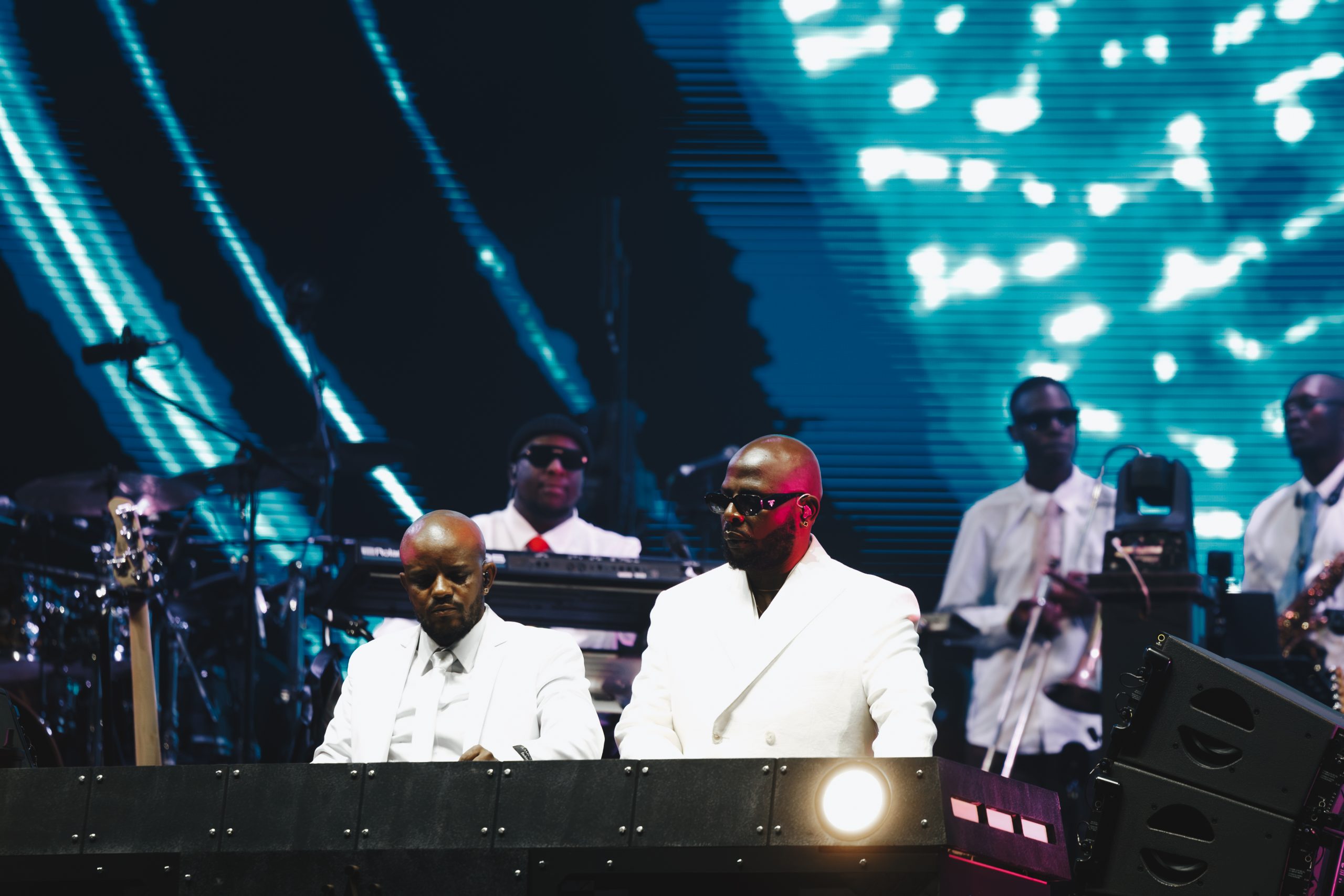
JOHANNESBURG, SOUTH AFRICA – Amapiano has become difficult to describe as simply a South African music genre. Its rhythms are still rooted in the townships where the sound developed, but its audience now stretches across African cities and international streaming platforms. On Saturday, that expansion had a distinctly physical expression at Johannesburg’s FNB Stadium, where more than 70,000 people gathered for Scorpion Kings Live: A Family Affair.
At the centre of the concert were Kabza De Small and DJ Maphorisa, whose partnership has become closely associated with Amapiano’s rise. The scale of the event reflected the size of the audience they have built at home, while the music surrounding them pointed to something larger: a South African sound increasingly operating within a continental and global music economy.
Spotify reported a 114,377% increase in global Amapiano streams between 2018 and 2024, a growth that illustrates how quickly the genre has moved beyond its original audience. Much of that movement has been driven by artists whose work remains distinctly South African even as it circulates through playlists, social media, collaborations and live performances around the world.
The Scorpion Kings occupy an important place in that story because their influence has never rested on a single song or performance. Their work as producers and collaborators has connected different artists and sounds, helping Amapiano develop as a wider musical ecosystem. That ecosystem was visible at FNB Stadium, where the lineup moved between Amapiano’s leading voices and artists from other parts of South Africa’s music industry.
Focalistic, Daliwonga, Kamo Mphela, Young Stunna, Nkosazana Daughter and Toss represented the generation that has grown alongside Amapiano’s mainstream success. Nasty C, Blxckie, Msaki, Ami Faku and Ringo Madlingozi brought different musical histories into the same space. The result was less a showcase of one genre than a picture of how Amapiano now sits within South Africa’s broader musical landscape.
That is where “A Family Affair,” the concert’s official theme, becomes more relevant than its role as a tagline. The idea of a musical family speaks to the relationships that have helped Amapiano travel: producers working with vocalists, established artists sharing audiences with newer acts, and South African musicians finding ways to move between genres without abandoning the identities that shaped them.
Those relationships are increasingly extending beyond South Africa. Amapiano’s growth has coincided with a period in which African artists can reach audiences across borders without waiting for traditional international music markets to validate them. A song produced in Johannesburg can find listeners in Lagos, Nairobi, London or New York within the same digital ecosystem. The direction of influence is no longer exclusively from established global centres into Africa. African sounds are increasingly travelling outward on their own terms.
The Scorpion Kings’ stadium concerts offer a useful measure of what that shift looks like at home. Their 2025 Scorpion Kings Live with Friends at Pretoria’s Loftus Versfeld drew more than 50,000 people. A year later, FNB Stadium provided a larger setting for an audience built around the same musical partnership. The significance is less about the difference between the two numbers than what both events reveal about the scale of demand for live Amapiano experiences in South Africa.
There is also a cultural dimension to that demand. Amapiano has become part of how a younger generation of Africans experiences music, fashion, dance and identity across borders. Its influence can be seen in the movement of dance trends, collaborations and sounds between African markets, while artists continue to adapt the genre to their own audiences.
FNB Stadium therefore represented more than a large venue for two of South Africa’s most recognisable producers. It became a meeting point between the local history of Amapiano and the international audience that has developed around it.
The Scorpion Kings remain firmly connected to the South African scene that gave them their platform. Yet the size of the audience around their music points to a broader reality: some of the most powerful cultural exports from Africa are no longer travelling outward as niche sounds looking for recognition. They are arriving with audiences of their own.
At FNB Stadium, Amapiano did not need to leave its South African identity behind to reach beyond it. The music filled a stadium at home while carrying with it the influence of a genre that has already travelled far beyond the place where it began