
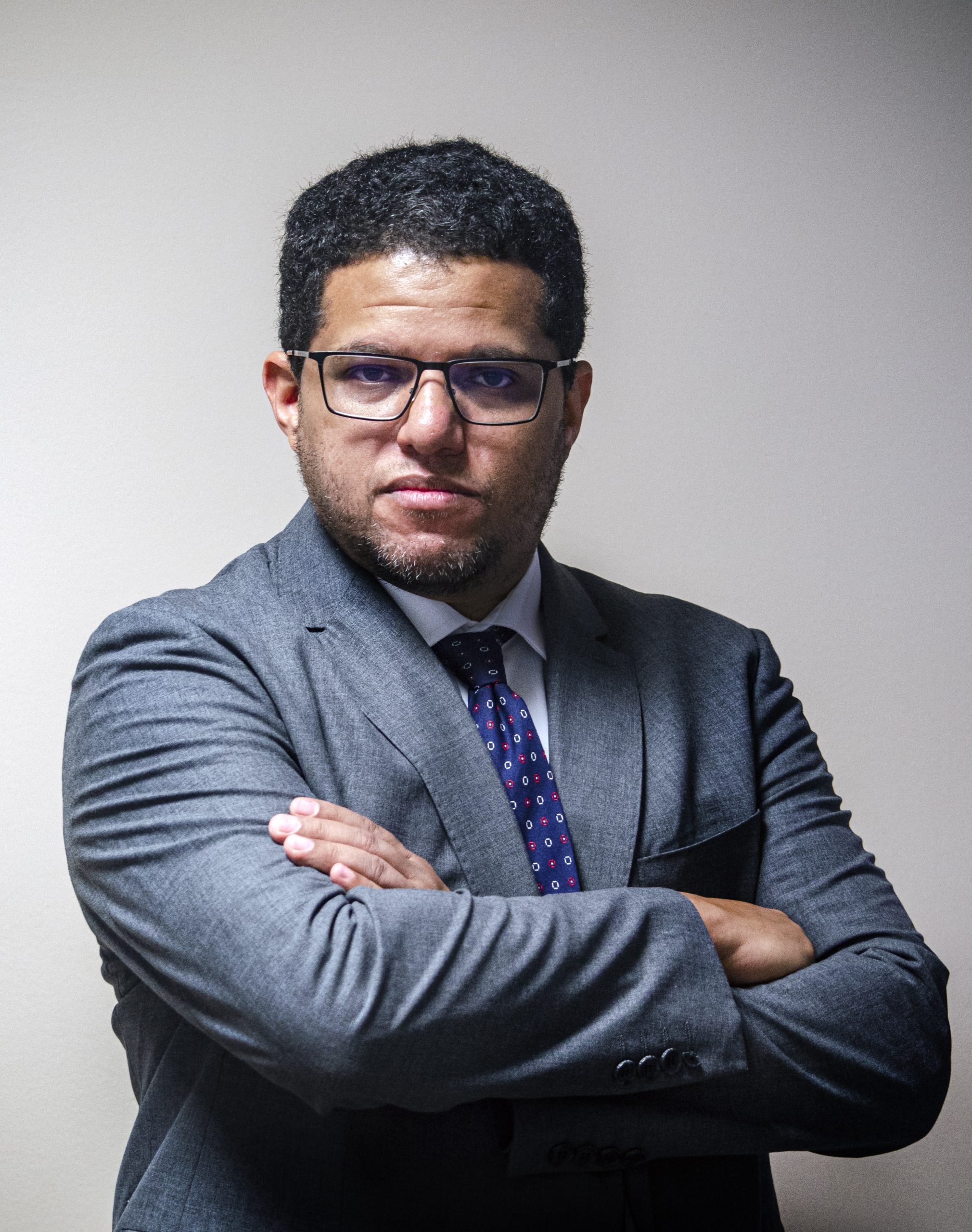
Under Managing Director Willian Oliveira, the Angolan consultancy is combining business strategy, technology and local expertise to strengthen organizations at home and pursue opportunities across Africa.
Founded in Luanda in 2013, TIS has evolved from a systems integrator into a business and technology consultancy. Led by Managing Director Willian Oliveira, the company is drawing on its experience of organizational transformation to help businesses and institutions improve their operations. Oliveira’s approach starts with a management question: what does an organization need to change to achieve its goals? When technology is treated as an administrative expense, he argues, investment decisions can become disconnected from a company’s future. Making it part of business strategy shifts the discussion toward the processes limiting growth, the information needed for decisions and the capabilities employees require to work differently.
TIS has expanded into consulting services that connect organizational design, technology and people. Its development reflects a move beyond supplying technical solutions toward helping clients understand the changes those solutions require. Its ambition is to develop local expertise to support Angola’s modernization while establishing the capacity to compete internationally.
In practice, this means understanding how work flows between departments. Repeated approvals, conflicting records and unclear responsibilities create problems that software alone cannot resolve. Organizations must examine how decisions are made, where information is exchanged and which procedures need to change. Only then can technology deliver measurable improvements. This approach places management and organizational analysis alongside technical implementation, ensuring that investments respond to each client’s operations.
TIS combines process design and governance with software, data, infrastructure and cybersecurity services. Change management and training help teams incorporate new systems into their work. The objective is to translate technology investment into stronger operations and better-informed management decisions. The company has contributed to the technological modernization of Angola’s tax system, an example of how digital capabilities can support the development of public institutions. For Oliveira, that combination is central to the role of an Angolan consultancy: bringing international technology capabilities into the local context while developing knowledge that remains in the country.
As technology evolves, Oliveira emphasizes the ability to define the right problem, assess the context and take responsibility for implementation. Artificial intelligence can accelerate analysis and expand what teams can produce, but its value depends on reliable information, critical judgment and a clear business objective. The challenge for companies is to identify where these capabilities can improve performance without losing sight of the people and processes involved. Successful adoption requires organizations to assess their systems, develop skills and establish clear responsibilities for how new technologies are used.
“To grow in other markets, we need to carry that same responsibility for execution and client relationships into every market we enter.”
That perspective shapes how TIS develops its own organization. The company has established a function dedicated to ensuring project delivery quality and client satisfaction, connecting its growth ambitions with the experience clients receive after implementation. Oliveira explains: “We created a department dedicated to project quality and client satisfaction because we want to closely monitor what happens once the solutions go live. To grow in other markets, we need to carry that same responsibility for execution and client relationships into every market we enter.” Maintaining this attention to delivery is important as the company prepares to operate across different markets, where client expectations, institutional structures and business practices may vary.
Developing people is another part of this strategy. Through Academia TIS and the ADN TIS internship program, the company invests in professional training and the development of local talent. These initiatives support its need for qualified professionals while contributing to Angola’s wider pool of technical and management expertise. As demand for digital services increases, the availability of skilled employees becomes a factor in determining how effectively organizations can modernize. For Oliveira, strengthening those capabilities within Angola also improves the country’s ability to develop and retain the knowledge needed for long-term economic progress.
TIS’s international ambition builds on this foundation. The company sees opportunities to apply the knowledge developed in Angola to other African markets, adapting its approach to each country’s institutions, business environment and organizational needs. Its experience of connecting new systems with established routines, institutional requirements and available skills will inform that expansion. Local partnerships and sustained client relationships will be central to the approach, allowing TIS to combine its expertise with an understanding of the markets it enters.
Under Oliveira’s leadership, TIS aims to strengthen its contribution to Angola’s digital transformation while developing an Angolan consultancy capable of serving a wider African market. Having established its expertise at home, TIS aims to apply that experience across borders, building relationships and delivering solutions that respond to the needs of organizations throughout the continent.
Contact
Condomínio Belas Business Park
Edifício Cabinda, 1º andar, sala
103, Talatona, Município de Belas
Luanda, Angola
+244 937 551 539
comercial@tis.ao
www.tis.ao
Produced independently of the TIME Africa newsroom by Penresa.