
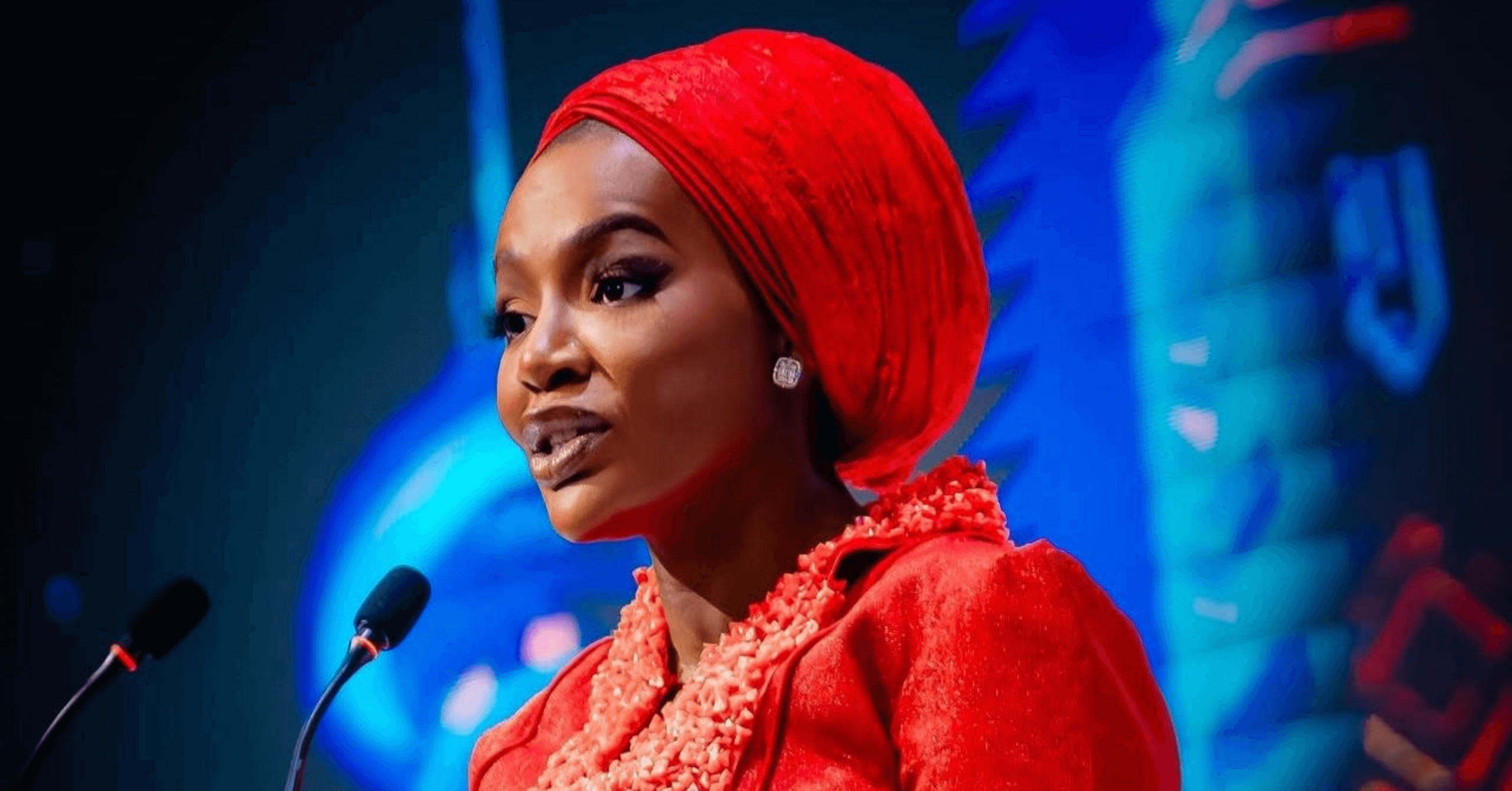
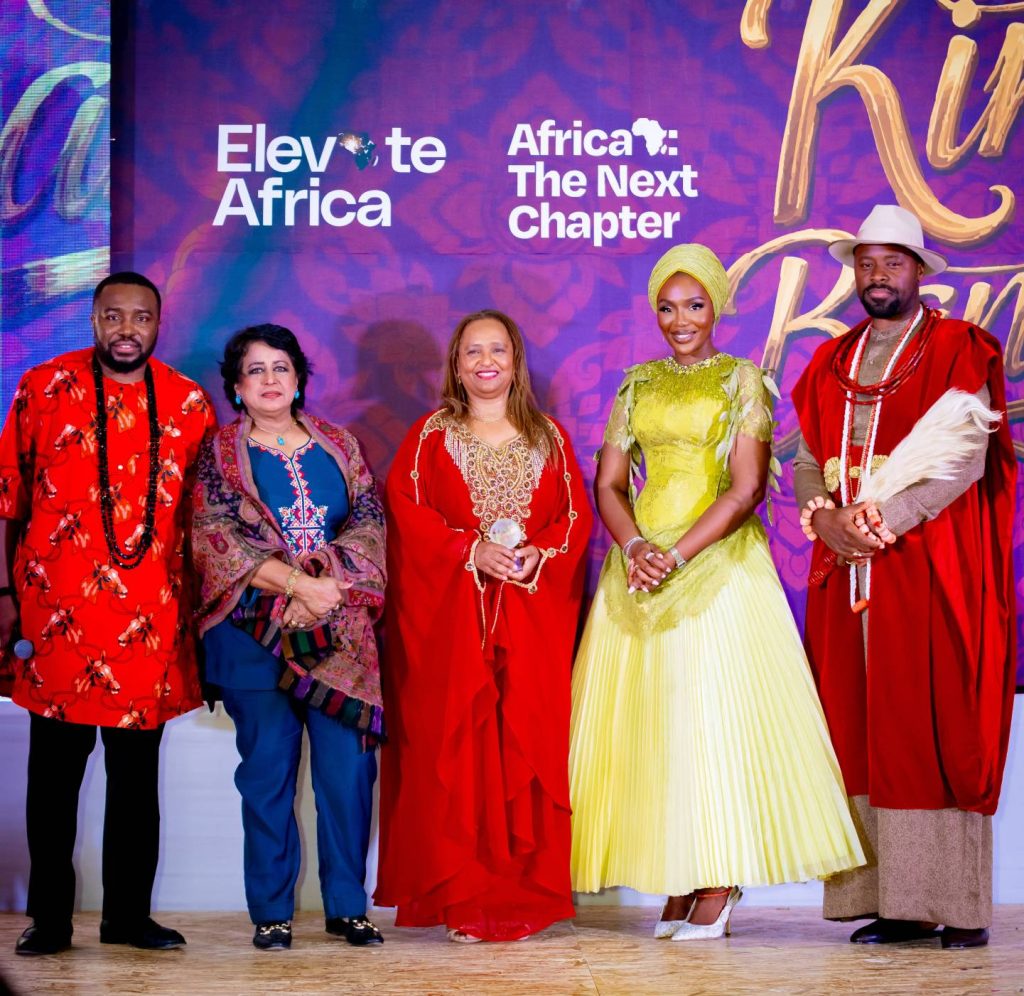
In Gaborone, Botswana, during the 2025 Elevate Africa convening, something rare unfolded — a gathering that did not merely discuss Africa’s potential, but embodied it. The room was filled with voices from across the continent and the diaspora: policymakers, entrepreneurs, artists, investors, and traditional leaders. Yet the energy was not one of ceremony. It was one of construction, of imagination, of authorship.
At the heart of this movement is the royal house of the Warri Kingdom — His Majesty Ogiame Atuwatse III and HRH Olori Atuwatse III — whose leadership signals a new kind of African renaissance. Elevate Africa is not a conference series, a fellowship, or a media project. It is a recalibration of identity. It is a statement of intention. It is a vision that positions Africa not as a continent waiting for opportunity, but as one actively architecting its future.
The Mission: Reclaiming Narrative, Restoring Dignity, Reigniting Vision
Elevate Africa was founded on a simple but radical premise:
Africa must define itself — through its own voices, its own heritage, and its own leadership.
Its pillars reflect this ambition:
- Narrative & Media: telling Africa’s stories with dignity and nuance.
- Leadership Development: elevating leaders grounded in purpose, culture, and authenticity.
- Pan-African Convenings: creating spaces where cross-border collaboration becomes default, not novelty.
- Cultural Diplomacy: anchoring progress in identity rather than erasure.
In an era where narratives shape investment, influence diplomacy, and govern global perception, Elevate Africa positions storytelling as strategy — and identity as infrastructure.
Gaborone: The Moment Where Vision Became Tangible
The Botswana convening demonstrated what happens when intention meets structure. The programme spanned natural-resource governance, intra-African trade, youth leadership, creative economies, mining, sovereign wealth, and cultural identity.
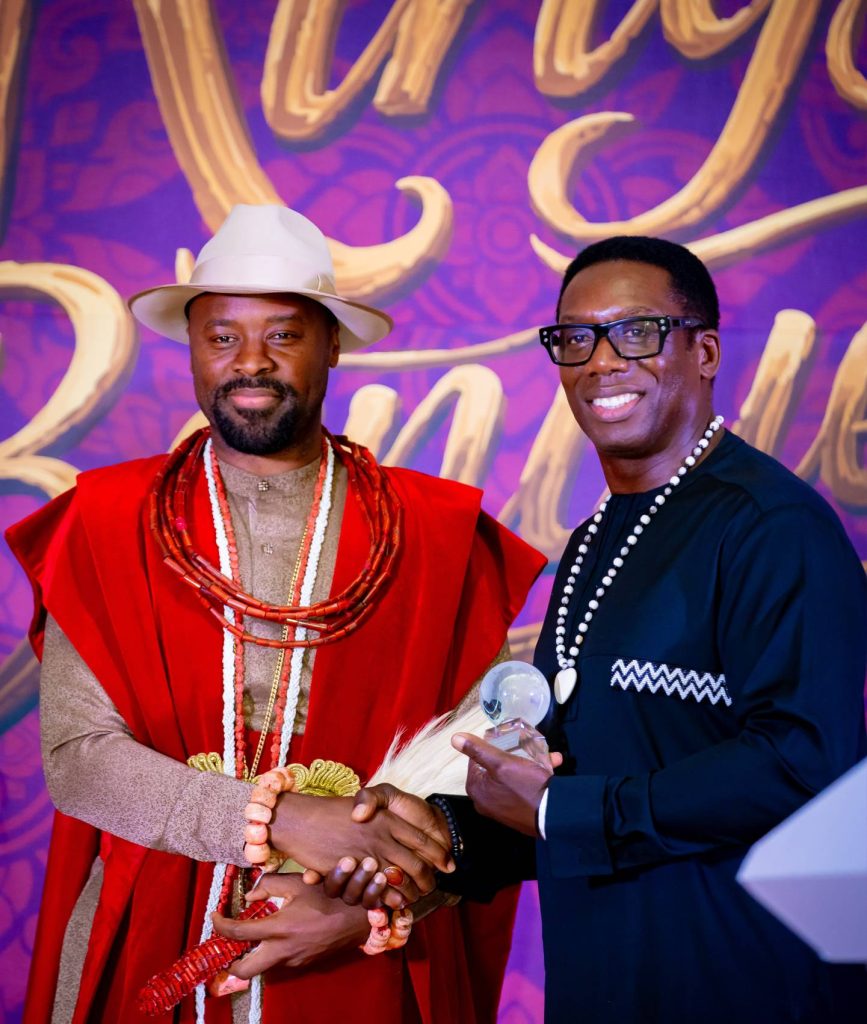
What struck me most was the lack of performative rhetoric. These were working sessions — rigorous, honest, often intimate. Leaders debated, clarified, and collaborated across borders and sectors. Evenings transitioned into cultural ceremonies and a King’s Banquet where heritage was not entertainment, but expression.
The experience made one thing clear:
Elevate Africa is not performing Africa to the world — it is building Africa for Africans.
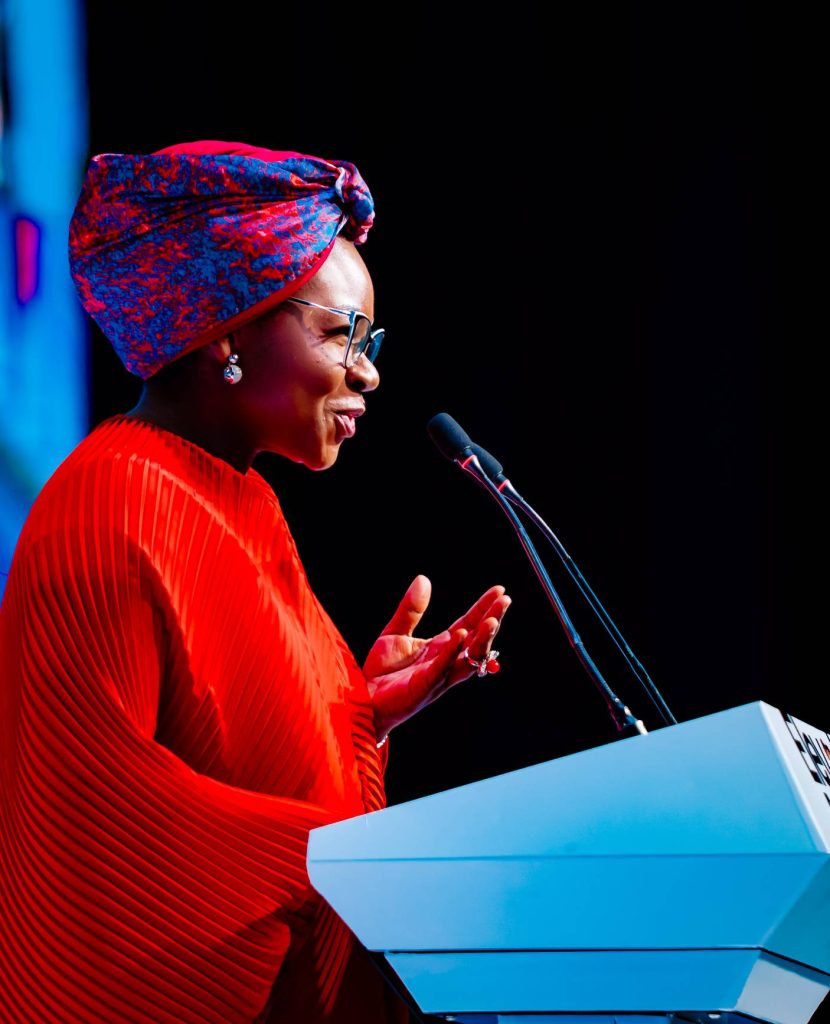
Monarchy Reimagined: Tradition as a Future-Making Force
A defining aspect of Elevate Africa is its royal stewardship. The presence of the Olu of Warri and HRH Olori Atuwatse III imbues the movement with cultural legitimacy, continuity, and moral authority — assets often missing from state-led or donor-driven initiatives.
African monarchies have long been misunderstood, either dismissed as symbolic or miscast as archaic. Elevate Africa challenges that narrative by demonstrating that monarchy can be:
- A stabilising institution
- A protector of heritage
- A convening force
- A moral compass
- A custodian of identity
- A catalyst for leadership and unity
In my interview with HRH Olori, the philosophical depth of this role became clear.
“Our history is not a burden — it is our strength.”
“Africa must not only remember who she is; Africa must guard that knowledge fiercely.”
HRH spoke about legacy not as inheritance, but as responsibility:
“Legacy is not what is handed down. Legacy is what is built for those we will never meet.”
These reflections anchor Elevate Africa in a long arc of history — but also in a forward-facing trajectory.
The Potential: What Elevate Africa Could Become
1. A Continental Narrative Vanguard
By reframing African identity through dignified storytelling, Elevate Africa challenges the reductive narratives that have shaped global perception.
It positions Africa as author, not subject.
2. A Leadership Forge for a New Generation
The fellowship and mentorship structures could cultivate young leaders whose values are rooted in culture, unity, and responsibility — leaders who understand that development without identity is fragile.
3. A Platform for Cross-Continental Collaboration
The 2025 convening revealed the possibility of an ecosystem where business, policy, culture, and tradition intersect.
Africa’s greatest opportunities exist not within borders, but between them.
4. A Modern Expression of Monarchical Soft Power
Elevate Africa repositions monarchy as a relevant force in Africa’s 21st-century evolution — a role grounded in legitimacy, symbolism, and stewardship.
As HRH Olori noted:
“Our people do not only need systems. They need symbols — reminders of who we are and who we can become.”
5. A Holistic Model for Development
Elevate Africa’s genius lies in its breadth: identity, economics, culture, and governance.
It is not building programmes — it is building a philosophy of progress.
The Challenges: What Must Be Managed Carefully
If Elevate Africa is to fulfil its potential, certain elements require careful balance:
- Staying inclusive across class, geography, and language
- Sustaining momentum beyond convenings
- Preventing symbolic leadership from overshadowing measurable outcomes
- Ensuring equal representation across African regions
- Translating narrative into policy, investment, and long-term structures
- Balancing royalty’s cultural authority with modern governance frameworks
These are not limitations — they are the realities of any ambitious continental movement. Awareness is strength.
HRH Olori’s Reflections: The Soul of the Vision
HRH spoke with gravity about Africa’s future — but also with clarity about the internal work needed:
On unity:
“Unity is not a slogan. Unity is a strategy. Unity is survival. Unity is power.”
On global influence:
“We are not here to imitate the world. We are here to inspire it.”
These lines are more than quotes — they are thesis statements for a continental awakening.
Conclusion: A New Definition of African Possibility
Leaving Gaborone, it was evident that Elevate Africa is not an event series.
It is a movement, a mirror, and a mandate.
For the first time in a long time, Africa is not being framed through crisis or comparison. It is being framed through culture, confidence, continuity, and collaboration.
This is not nostalgia.
This is a strategy.
This is identity as infrastructure.
Elevate Africa invites Africans everywhere — leaders, creators, policymakers, youth — into the work of self-determination.
The words of HRH Olori continue to echo:
“If we do not honour Africa, why should we expect anyone else to?”
And perhaps that is the essence of the movement:
Africa is no longer waiting to be invited into the future.
Africa is building it.