
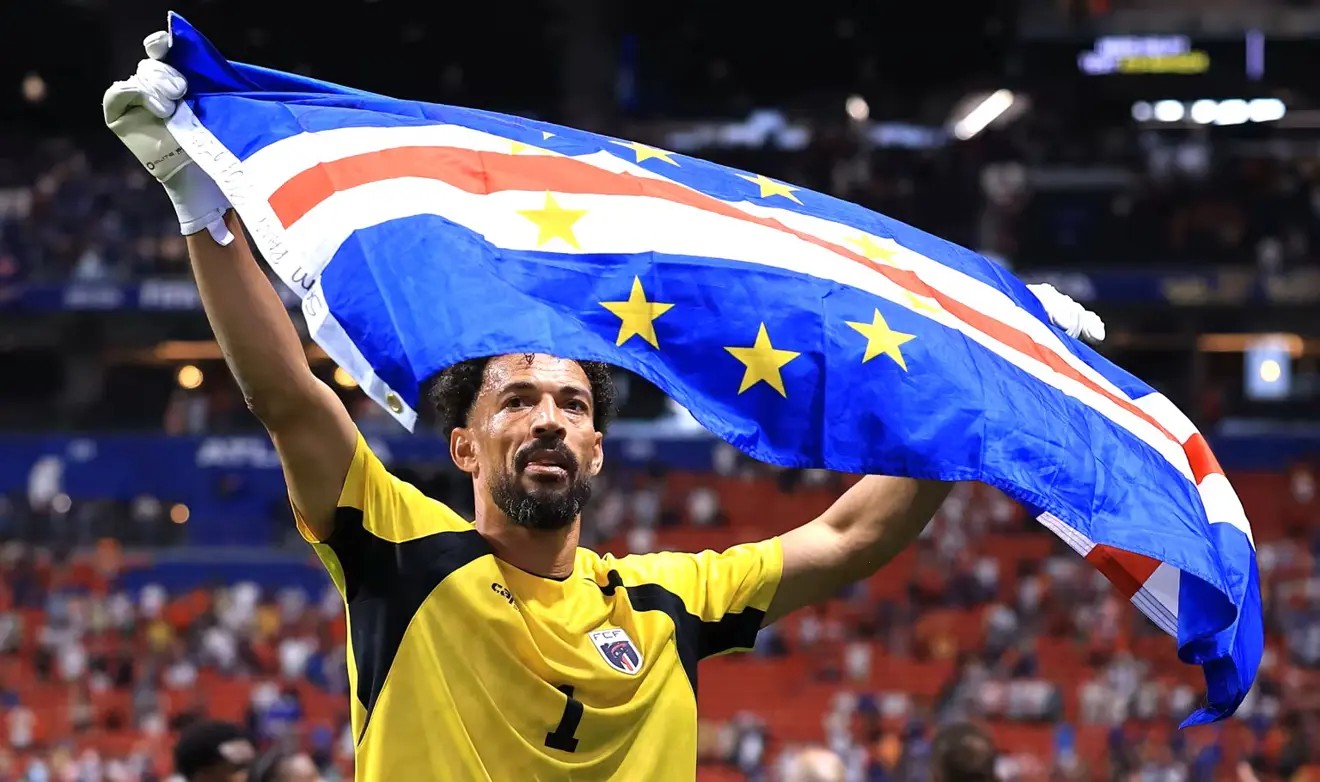
From Morocco’s global squad to Cabo Verde’s historic rise, the 2026 FIFA World Cup is revealing a new reality: the future may belong to nations that understand their people extend far beyond their borders.
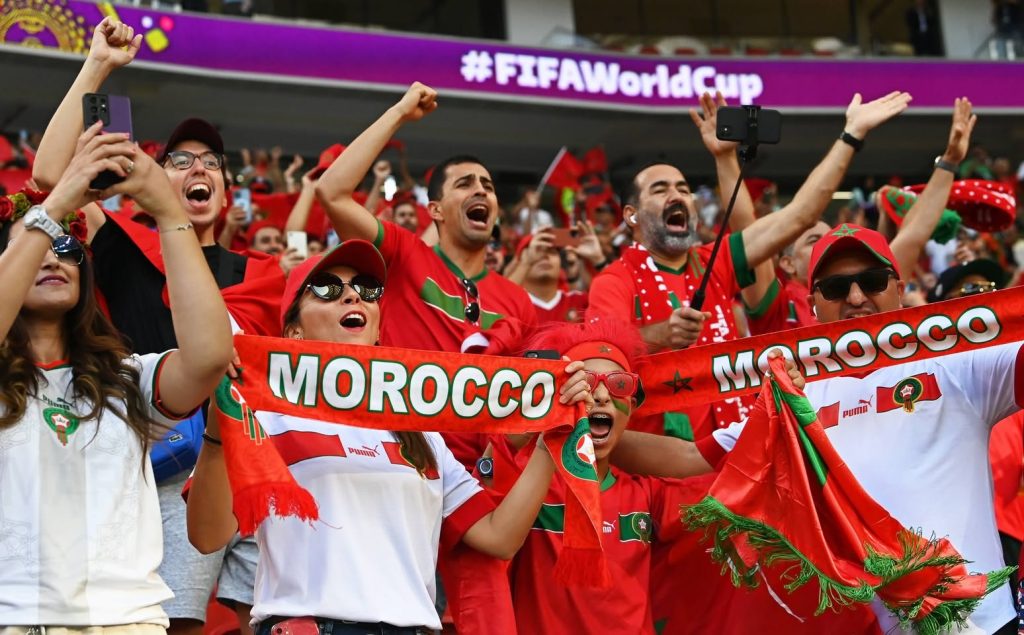
Four years ago, France ended Morocco’s dream.
At the 2022 FIFA World Cup in Qatar, Morocco achieved something no country from Africa had ever accomplished. The Atlas Lions became the first African nation — and the first from the Arab world — to reach a World Cup semi-final.
It was a historic sporting achievement. But it was also a moment that represented something far larger than football.
Standing between Morocco and the final was France: a country connected to Morocco through language, migration, colonial history and generations of families who have lived between both worlds.
Four years later, football has brought them together again.
France and Morocco meet at the 2026 FIFA World Cup as two of the tournament’s most compelling stories. Two countries connected across continents. Two teams shaped by migration. Two different expressions of what a modern nation can become.
And at the centre of it sits one of the defining questions of the 21st century:
Who gets to decide where someone belongs?
The rise of the global nation
For most of the World Cup’s history, the idea of a national team appeared simple.
A country produced players. Those players represented that country.
But the modern world does not work that way.
Migration, globalization and the movement of families across generations have created identities that cannot be contained by borders.
Morocco understood this earlier than most.
The Atlas Lions did not simply build a Moroccan team.
They built a global Morocco.
Their squad represents a nation whose reach extends far beyond North Africa. Millions of Moroccans and people of Moroccan descent live around the world, particularly across Europe in countries such as France, Spain, Belgium and the Netherlands.
That global community has become part of Morocco’s football infrastructure.
Players developed in some of Europe’s best academies grew up carrying multiple identities. European cities shaped them. Moroccan families shaped them.
They are products of both.
The result is a new sporting reality:
A nation’s greatest resource may no longer only be the people living inside its borders.
It may also be the millions who carry that nation with them.
The children of two worlds
Few players represent this new reality more clearly than Lamine Yamal.
Born in Spain. Raised in Spain. Developed by Spanish football.
A product of Barcelona’s La Masia academy.
By every traditional definition, he is Spanish.
Yet because his father is Moroccan and his mother is from Equatorial Guinea, some have questioned whether he truly represents Spain.
That criticism exposes one of football’s most uncomfortable contradictions.
For some athletes of immigrant descent, belonging can become conditional.
A passport is accepted.
An anthem is sung.
A shirt is worn.
But the question remains:
Are they seen as part of the nation, or simply representatives of it?
The conditional citizen
Football has repeatedly revealed the tension between civic identity and racial identity.
When multicultural teams succeed, diversity is often celebrated as a national strength.
When things go wrong, some athletes are reminded of their difference.
During this 2026 tournament, Dutch players of African and Surinamese descent faced racist abuse online after the Netherlands’ defeat to Morocco.
It was another reminder of a pattern football has seen before.
After England’s defeat in the Euro 2020 final, Bukayo Saka, Marcus Rashford and Jadon Sancho received racist abuse after missing penalties.
These were not outsiders.
They were players born and raised in the countries they represented.
Players developed by those football systems.
Players wearing those national shirts.
But in moments of disappointment, some attempted to redraw the boundaries of belonging.
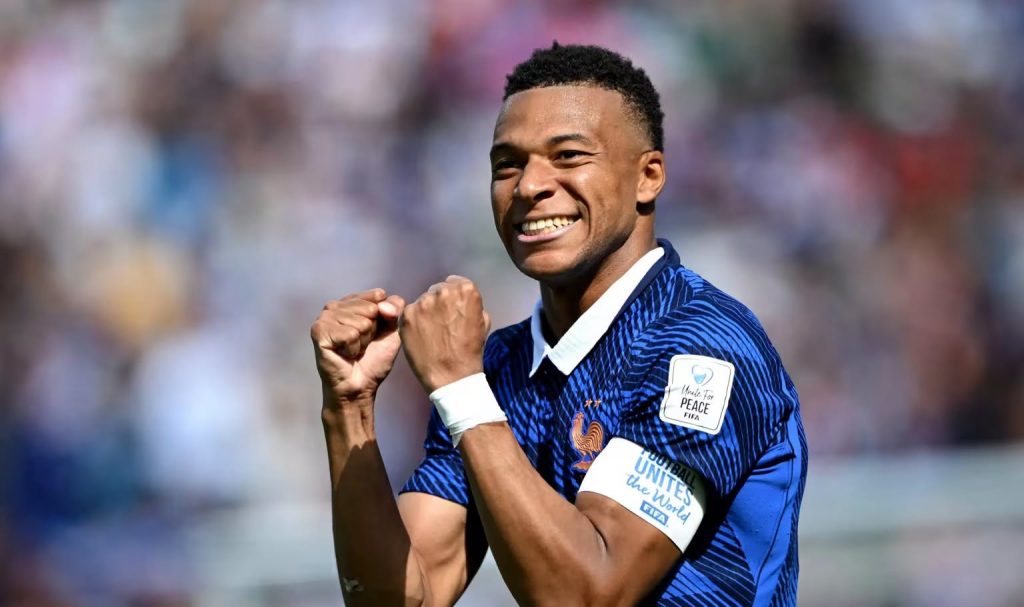
Kylian Mbappé has faced a similar contradiction.
A World Cup winner.
The captain of France.
One of the most important figures in French sporting history.
Yet racist comments directed toward him by a Paraguayan politician during this 2026 tournament demonstrated how quickly some people still attempt to separate athletes of African descent from the countries they represent.
The question is uncomfortable:
Is belonging permanent?
Or is it something that can be withdrawn?
The choice that did not exist before
There is another question football may soon have to confront:
What happens when the players being told they do not belong realize they have somewhere else to go?
For generations, representing Europe’s biggest football nations was often viewed as the obvious choice.
The infrastructure was stronger.
The visibility was greater.
The opportunity to win was higher.
But the balance is changing.
Today’s generation of players increasingly have options.
A footballer born in Europe to African parents may have multiple national identities available to them. They may be eligible to represent the country where they were born, or the country their family came from.
That decision is no longer only sporting.
It is emotional.
It is personal.
It is about belonging.
And as African nations invest, organize and compete at higher levels, the question becomes unavoidable:
Will countries continue to attract their greatest multicultural talents if those same players are made to feel like outsiders?
There is nuance.
The racist abuse players receive often comes from a minority, not an entire country. The response of institutions matters.
When Kylian Mbappé faced racist remarks from a Paraguayan politician during this 2026 tournament, the French Football Federation publicly supported its captain and pursued action.
That matters.
Because the future may not belong simply to the countries that produce talent.
It may belong to the countries that protect it.
The countries that make players feel valued not only when they score the winning goal, but when they miss.
Not only when they lift trophies.
But when they are human.
The World Cup is a map of history
International football does not exist separately from history.
The World Cup reflects centuries of human movement.
Colonialism.
Migration.
Economic change.
Opportunity.
The strongest European football nations increasingly reflect societies transformed by migration.
France’s teams have included generations of players with roots across Africa, the Caribbean and beyond.
England’s modern football identity has been shaped by communities connected to Nigeria, Ghana, Jamaica and other parts of the world.
The Netherlands has a remarkable football connection with Suriname, a country of roughly 600,000 people whose diaspora has contributed some of Dutch football’s most influential players.
This is not coincidence.
The World Cup is a human map.
It shows where people moved.
Where histories connected.
Where identities merged.
The Cabo Verde blueprint
If Morocco represents the power of a large global diaspora, Cabo Verde represents something equally extraordinary.
A small Atlantic island nation with a population of around half a million people reached the world stage by thinking bigger than geography.
Because Cabo Verde is not only the islands.
It is Lisbon.
It is Rotterdam.
It is Boston.
It is Paris.
The Cabo Verdean diaspora is often estimated to be larger than the population living inside the country itself.
That changes everything.
For a small nation, the question becomes:
What if your population is not the number of people within your borders?
What if your population is everyone around the world who still carries your story?
This may become the model for many African and Caribbean nations.
Build at home.
Connect abroad.
Turn diaspora into strength.
Africa’s new advantage
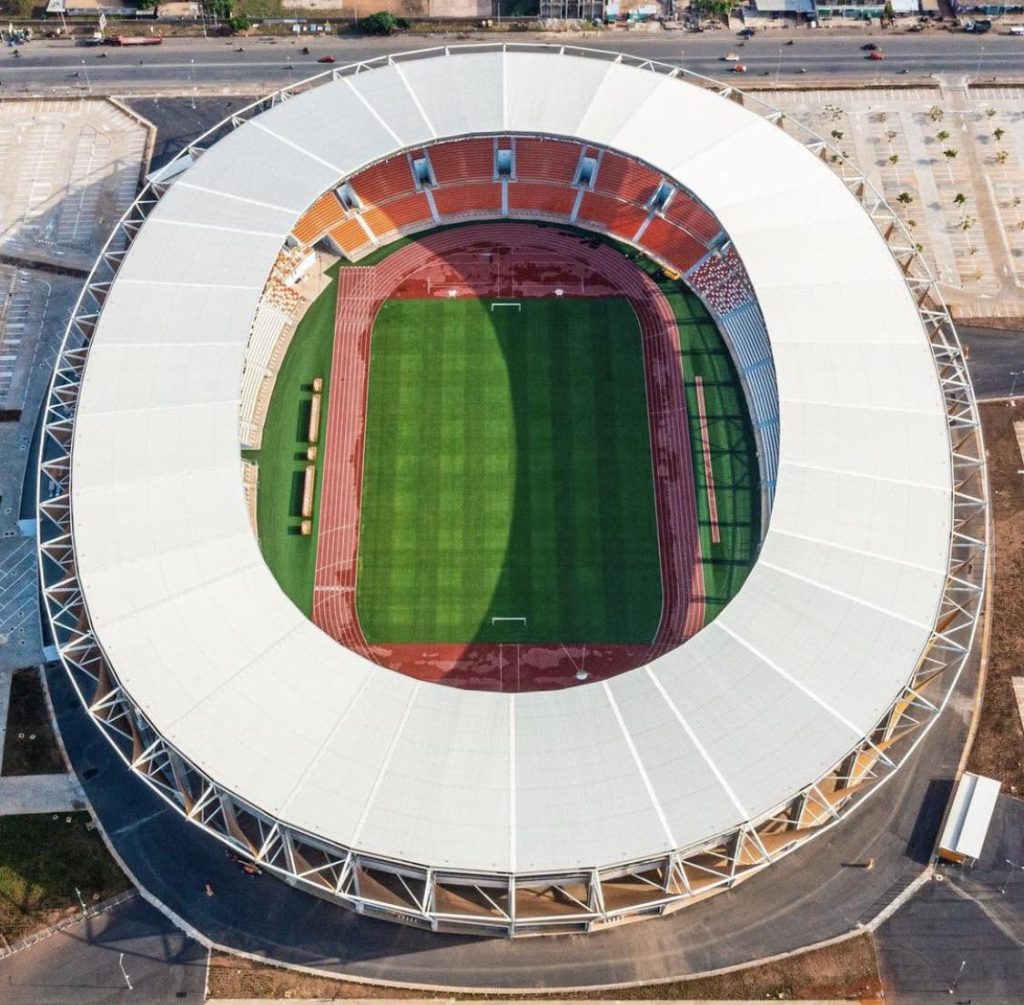
For decades, the direction of football opportunity was largely one way.
Talent moved toward Europe.
The academies were stronger.
The leagues were richer.
The systems were better funded.
But the next era may look different.
As African football federations develop, as investment increases and as global scouting improves, heritage may become a competitive advantage.
Players will not only ask:
“Where can I win?”
They may also ask:
“Where do I feel connected?”
The African Atlantic
This relationship between identity and football has always existed.
Brazil’s connection with Africa and the Caribbean demonstrates it.
Home to one of the largest African-descended populations anywhere in the world, Brazil has carried a cultural significance far beyond South America.
For many fans across the African Atlantic — from Africa to Jamaica and the Caribbean — supporting Brazil was not simply about football success.
It reflected something deeper.
A shared history.
A shared rhythm.
A recognition of connection across oceans.
The future of the World Cup
The next generation of footballers will increasingly belong to more than one place.
Some will represent where they were born.
Others will represent where their families began.
Neither choice makes them less authentic.
The future of football may belong to those who understand the changing definition of nationhood.
Because a nation is not only territory.
It is memory.
It is culture.
It is identity.
And increasingly, it is global.