After two decades of pioneering environmental services in Angola, AES is combining world-class waste treatment capacity, local expertise and innovation to support a more sustainable industrial future across Africa.
As environmen-tal standards become increasingly central to industrial devel-opment, Angola Environmental Serviços (AES) has built the infrastructure, expertise and technical capabilities needed to help companies operate more responsibly. Celebrating its 20th anniversary in 2025, the environmental services company has become a benchmark for waste management in the oil and gas industry and is now preparing to take its experience beyond Angola’s borders.
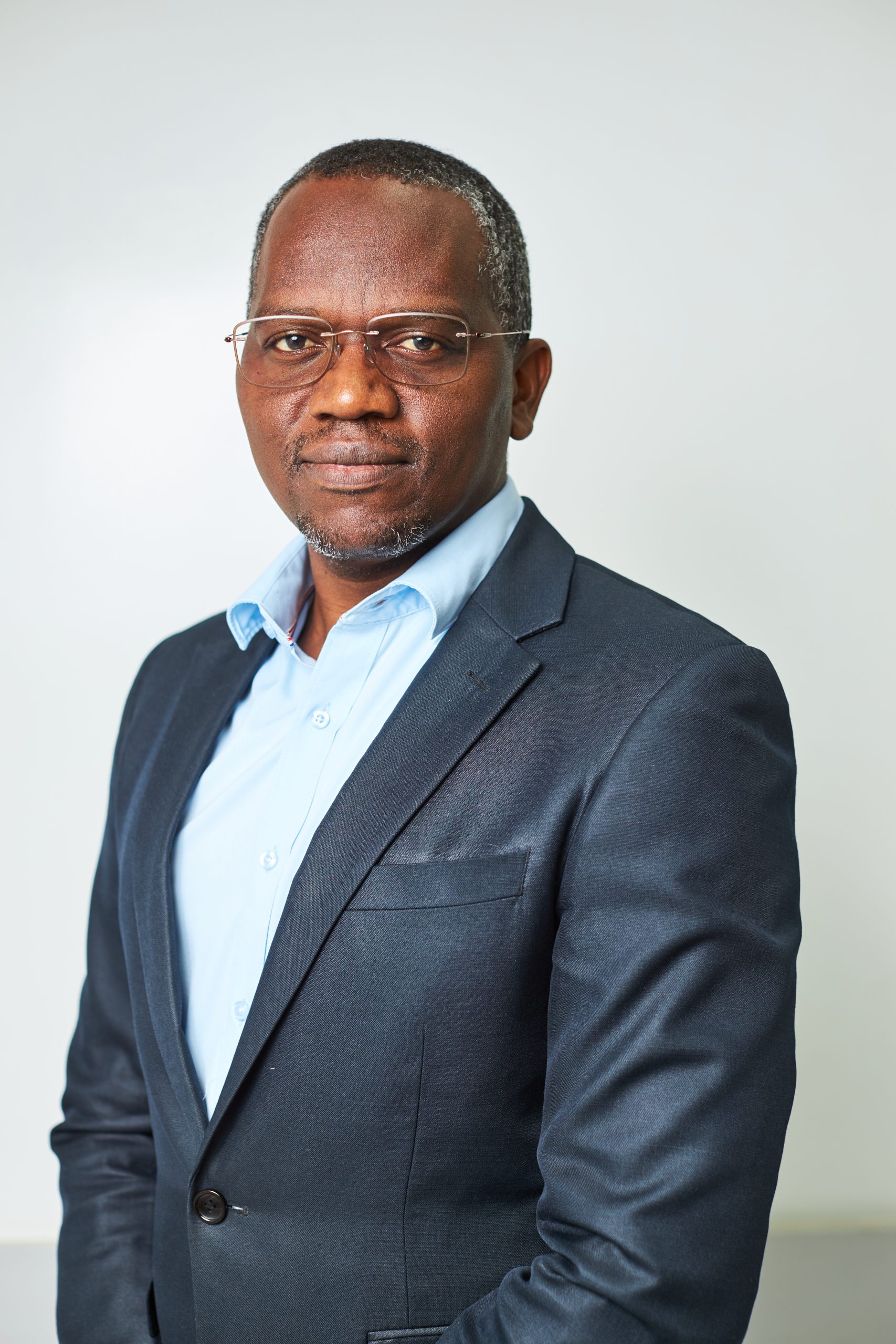
For Head of New Markets and Public Affairs Matuzalem Sukete, one of AES’s greatest achievements has been developing local talent throughout every level of the organization. “You have Angolan professionals taking decisions and occupying leadership positions. We are a visible demonstration of what local content development looks like,” he says.
Today, AES operates the world’s largest treatment capacity for one of the waste streams within its sector, underscoring the company’s leadership in waste management and environmental solutions. The company also serves as an important bridge between regulators and the industries required to meet environmental standards. As Sukete puts it, “We are the tool that makes environmental compliance possible.” Rather than limiting itself to statutory obligations, the organisation has consistently embraced international best practices ahead of regulatory requirements, becoming one of the first companies in its field to obtain internationally recognized ISO certifications. “We have always looked beyond legal requirements because we believe it is our responsibility to elevate the name of Angola through the quality of our services,” says Sukete.
Innovation remains central to maintaining that leadership. Certified to ISO 14001 and ISO 45001 standards, AES invests continuously in research and development as new industrial processes generate increasingly complex waste streams. “The challenges facing our industry today are different from those of ten years ago. New technologies create new types of hazardous waste, and those require new solutions,” says Sukete. This commitment also underpins the company’s sustainability agenda. AES has already achieved waste valorization levels of more than 50% and aims to reach 70% by 2030, reducing landfill disposal by transforming waste into secondary products. “Our objective is not simply to dispose of waste, but to transform it into valuable goods,” he says.
“Many environmental problems remain unsolved because there is either a lack of awareness or a lack of solutions. AES brings both.”
Building on this foundation, AES is preparing to replicate its Angolan model across the continent. “We understand that it is time to share this experience beyond Angola and expand into new geographies,” says Sukete, who leads the group’s regional expansion strategy.
The company plans to do so by developing partnerships with local businesses and communities rather than exporting a one-size-fits-all model. “Our approach to new markets starts with local content, with partners who understand the context. We then combine their knowledge with our experience to build solutions together. Wherever we operate, we want to develop communities,” he explains.
Ultimately, the company’s ambition extends beyond business growth. “We operate with the conviction that future generations should not pay for the irresponsible behavior of today,” says Sukete. “Across Africa, we see increasing willingness from governments, communities and industry to improve environmental performance, and AES is ready to support that transition.”
Produced independently of the TIME Africa newsroom by Penresa.