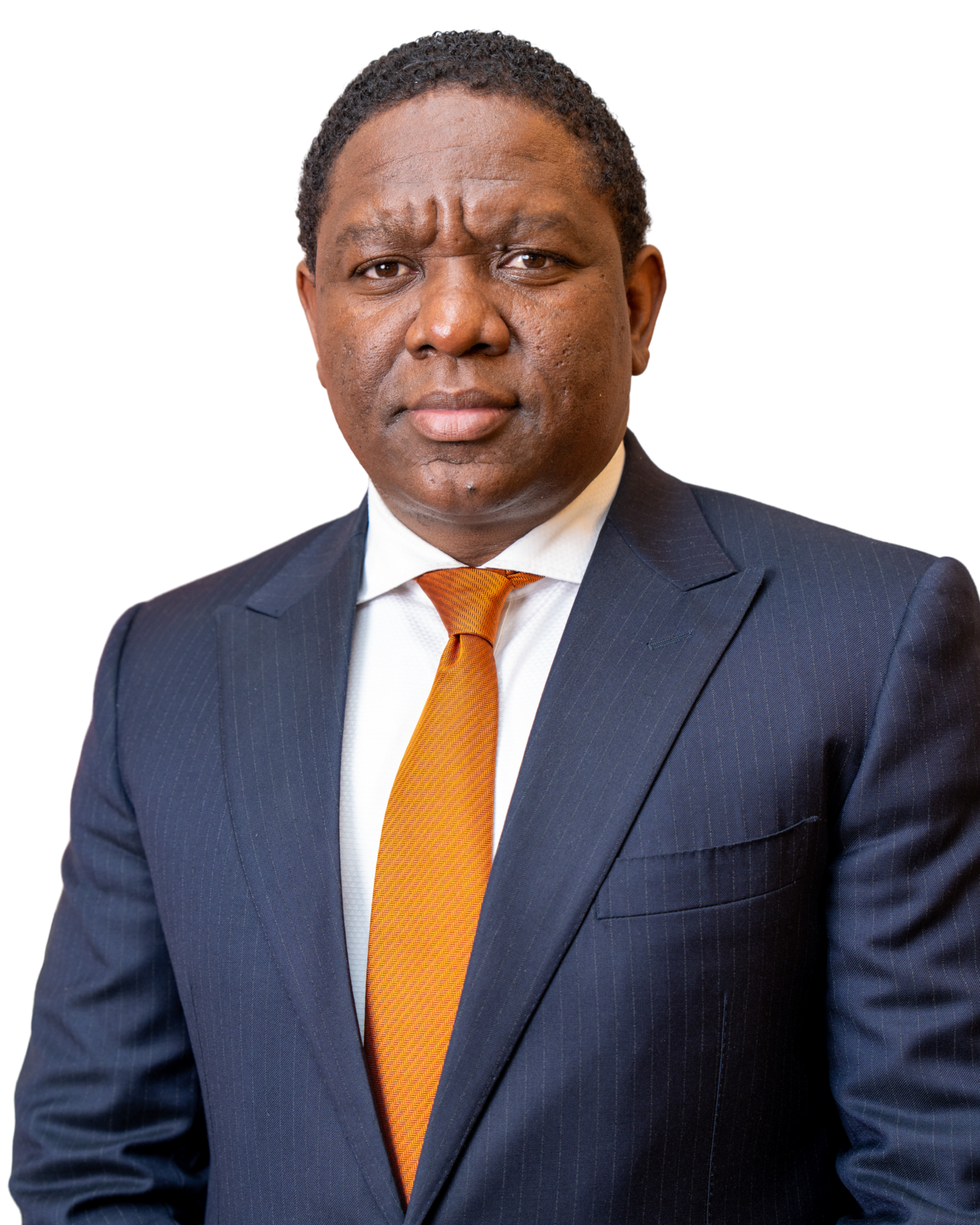
Hon. Márcio de Jesus Lopes Daniel, Angola’s Minister of Tourism, shares the country’s vision for transforming its natural and cultural assets into competitive destinations while strengthening domestic tourism and unlocking new opportunities for investment.
Angola’s tourism sector is emerging as a strategic pillar of the country’s broader economic diversification agenda. How is the Ministry shaping its policy framework to establish Angola as a leading tourism destination in Africa?
Angola is entering a new phase in its approach to tourism. Today, under the leadership of His Excellency President João Manuel Gonçalves Lourenço, we are treating it as a present economic priority. Our responsibility is to turn potential into established destinations, credible investment opportunities, and quality visitor experiences.
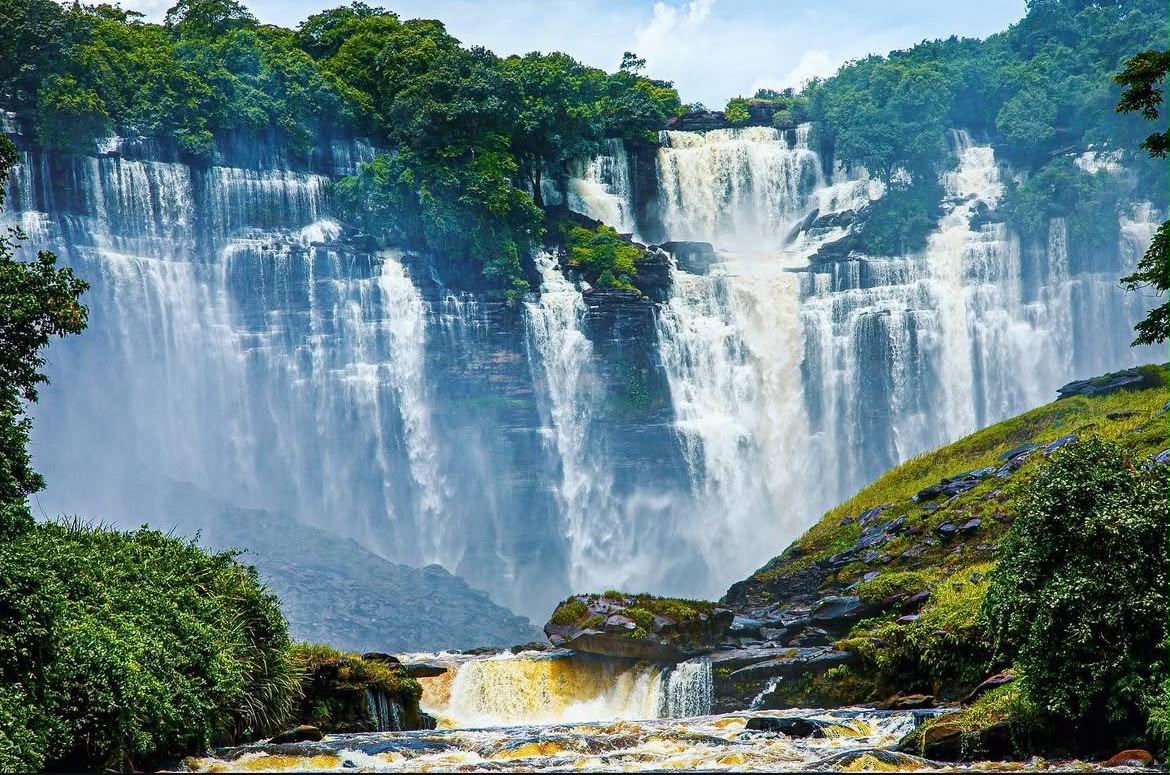
This requires alignment across three main areas, beginning with destination development. The country has a diverse tourism offering: an Atlantic coastline of great beauty, national parks, rivers, waterfalls, highlands, historical sites, music, gastronomy, culture, and a strong sense of identity. From the historical significance of Mbanza Kongo to the natural force of Kalandula Falls, from the landscapes of Namibe to the cultural life of Luanda and our provinces, Angola has the foundations for a distinctive tourism proposition. But natural attractions alone do not guarantee competitiveness. We must develop destinations, improve access, strengthen services, and ensure tourism products are ready for domestic and international markets.
The second focus is investment promotion. Through the Areas of Interest and Tourism Potential (AIPT), we have identified priority areas, with US$500 million already approved for public infrastructure. The Tourism Doing Business Angola – Private Investment Guide has also identified specific opportunities for private investors, allowing us to present them in a more structured way. This means preparing these opportunities with better information, stronger institutional coordination, clearer investment proposals, and more effective engagement with serious investors and financial institutions. We want to ensure that tourism projects are capable of being implemented and sustained.
The third aspect is protecting cultural and natural heritage. Our competitiveness must be rooted in what is authentically Angolan: our landscapes, history, rhythm, culture, and people. Ultimately, our policy framework is about developing the economic foundations of tourism, creating jobs, supporting local businesses, bringing investment to the provinces, and contributing to the wider development of the country.
Tourism infrastructure plays a central role in Angola’s attractiveness on the global stage. How is the Ministry advancing the development and operational readiness of key tourism ecosystems to reinforce the country’s positioning as a high-potential destination on the continent?
Infrastructure is fundamental, but it must be approached in a practical and integrated way. Tourism requires roads, airports, hotels, convention facilities, museums, waterfronts, visitor centers, and other physical assets. It becomes competitive when infrastructure is connected to services, operators, standards, financing, information, and market access. This is why our approach emphasizes developing tourism ecosystems, not isolated assets. A destination must be accessible, easy to navigate, and offer accommodation, transport, food, safety, information, payment options, and quality experiences.
Angola has several areas with strong potential, including coastal destinations, nature-based tourism zones, cultural and historical routes, urban business tourism centers, and emerging leisure destinations. Our task is to prioritize, sequence, and prepare these areas in a way that delivers visible results and attracts further investment. A road that improves access to a beach, a visitor center near a natural attraction, a museum that preserves history, or a digital platform connecting travelers to local operators can all contribute to the same development strategy.
We are also placing strong emphasis on operational readiness. It is not enough to announce projects; we need to ensure they can be implemented, operated, and sustained. This requires coordination between public institutions, private investors, financial institutions, tourism operators, and local communities. Our ambition is simple but demanding: Angola must not only have beautiful places. Angola must have destinations that work.
How is the Ministry enhancing the country’s international profile and elevating the overall visitor experience?
Angola deserves to be seen from a broader perspective. For a long time, the country’s international image was strongly associated with oil, diamonds, and post-conflict reconstruction. Angola is also a country of culture, music, landscapes, creativity, hospitality, and considerable tourism potential. It is present in our cities, coastal life, cuisine, and traditions, and in the way the country combines history, resilience, and modernity. Through Visit Angola – The Rhythm of Life, we are developing a platform that connects international visibility, curated tourism products, market access, and an improved visitor experience. A destination brand must be supported by genuine experiences. It cannot be reduced to a logo, slogan, or promotional campaign.
“Serious investors still have the opportunity to participate in the creation of destinations, hospitality assets, tourism products, logistics solutions, digital platforms and experiences.”
We are therefore working simultaneously on visibility, travel facilitation, and visitor experience. We are strengthening Angola’s presence on international platforms, at investment forums and tourism events, and through strategic partnerships. Angola has also introduced visa exemption measures for citizens of several countries. In coordination with the relevant institutions, we intend to continue improving travel facilitation where appropriate. The easier it is to visit Angola and travel within it, the stronger our competitiveness becomes.
We also focus on information, service quality, digital access, payments, and product development, ensuring that what we promote internationally corresponds to what visitors actually experience. Countries do not establish strong tourism brands through communication alone. They earn them through trust. Our objective is to ensure Angola is not simply noticed, but respected as a serious, authentic destination.
Domestic and regional tourism are critical to unlocking Angola’s cultural and geographic diversity. How is the Ministry supporting internal connectivity and integrated value chains to foster a dynamic national tourism economy?
Domestic tourism is one of the strongest foundations for Angola’s tourism development. We cannot establish a competitive international destination if Angolans themselves do not have opportunities to discover, access, and enjoy their own country. When Angolans travel within their own country, tourism becomes more than leisure. It strengthens national connections, supports local economies, and creates demand for better services.
This may involve a family from Luanda discovering the landscapes of Huíla, young Angolans visiting the beaches of Benguela, a traveler experiencing the desert and coastline of Namibe, or a community welcoming visitors through its gastronomy, crafts, music, and local history. These are genuine economic opportunities for communities and entrepreneurs.
Economically, domestic tourism generates demand throughout the year. It supports SMEs, helps operators test and improve their products, creates opportunities for communities, and reduces excessive dependence on international arrivals. For this reason, the Ministry is working to strengthen relationships between tourism operators, communities, SMEs, financial institutions, transport providers, cultural organizations, and digital platforms. A tourism experience should not benefit just one business, but generate value across the economy. A hotel, restaurant, local guide, transport provider, artisan, farmer, musician, or young entrepreneur can all participate in the same economy. This is especially important for provinces and municipalities with considerable tourism assets that are not yet fully connected to established markets.
Regional tourism presents another important opportunity, as Angola is strategically positioned in Southern Africa and has the capacity to attract visitors from neighboring markets. But to compete regionally, we must first strengthen our domestic base. Tourism should not be a sector exclusively for large investors, but a platform for Angolan entrepreneurs, communities, and families.
How important are public-private partnerships to this strategy? What contributions do they make to sustainable growth and service quality?
Tourism cannot be developed by the State alone, nor can it be developed by the private sector alone. The State defines policy, provides institutional coordination, improves infrastructure, promotes the destination, and creates a more favorable environment, while the private sector brings investment, innovation, service delivery, market knowledge, and operational capacity. Public-private partnerships are therefore essential to accelerating tourism development in Angola. However, we are not interested in partnerships that exist only on paper.
“Angola must not only have beautiful places. Angola must have destinations that work.”
We want partnerships that deliver results. This means working with banks, payment partners, investors, and operators to improve access to finance, support certified tourism products, expand digital payments, and make domestic tourism more accessible to Angolan consumers.
Tourism operators need financing for equipment, vehicles, accommodation, training, technology, and working capital. At the same time, consumers need more flexible ways to access domestic tourism experiences. Investment must be accompanied by standards, training, certification, and accountability. Tourism depends on consistency, and visitors must trust that the experiences they purchase will meet an acceptable level of quality.
Our partnerships follow a practical agenda: financing the supply side, stimulating demand, improving service quality, strengthening digital access, and retaining greater value within the Angolan economy. Angola does not need short-term speculation in tourism. We need serious partners who understand the country, respect its potential, and are willing to work with us over the long term.
What message would you like to share with international investors, global tourism operators, and the Angolan diaspora?
My message is clear: Angola is one of Africa’s most compelling long-term tourism opportunities. This is a country with extraordinary natural beauty, a rich cultural identity, a young population, a growing base of entrepreneurs and customers, a strategic geographic position, and a government firmly committed to economic diversification. Perhaps most importantly, Angola is still a country where much remains to be developed. In Angola, serious investors still have the opportunity to participate in the creation of destinations, hospitality assets, tourism products, logistics solutions, digital platforms, and experiences that can define the future of the sector.
For global tourism operators, Angola offers scale, authenticity, and considerable room for growth. It offers something rare: a destination that is not overexposed, standardized, or exhausted. For the Angolan diaspora, this is a moment to reconnect with the country emotionally and economically. Tourism is one of the most powerful ways to rediscover Angola, invest in Angola, and help tell Angola’s story to the world.
We are realistic about the challenges that remain in infrastructure, skills, service quality, financing, and market development. But we are addressing those challenges with direction, discipline, and confidence. Angola’s ambition is not to become a copy of established destinations. It is to develop a tourism model that is authentic, investable, and deeply connected to the country we are becoming. This is the right moment to shape the future of tourism in Angola.
Produced independently of the TIME Africa newsroom by Penresa.