
Sun Africa combines utility-scale solar, mini-grids, water infrastructure, storage, and flexible financing models to close energy gaps while supporting industrial demand and wider regional power trade.
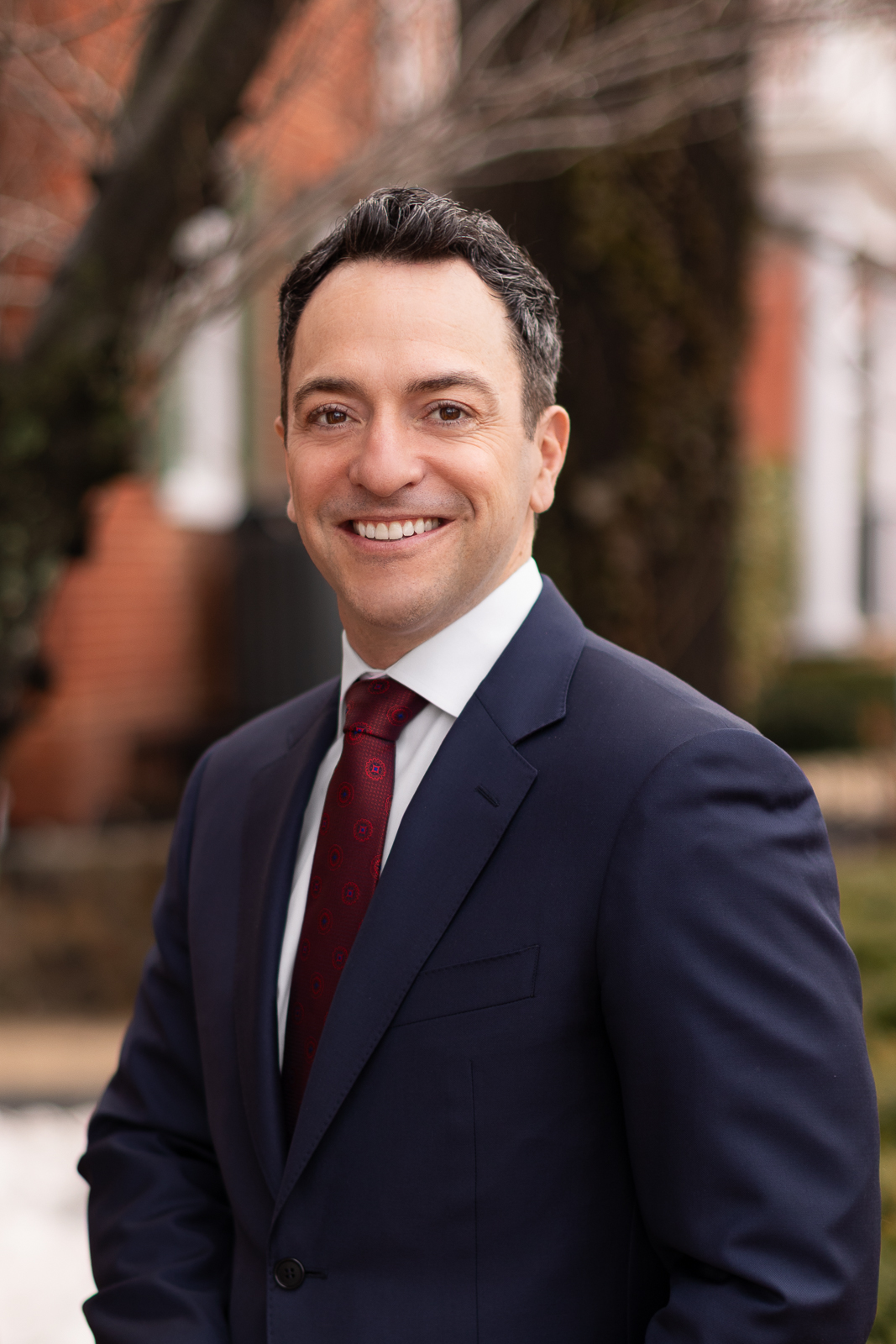
Sun Africa’s first projects in Angola, the Biopio and Baia Farta solar parks, gave the company a working proof point for utility-scale solar in the country. Chief Executive Officer Adam Cortese describes Biopio as the largest solar installation in sub-Saharan Africa and says a site already under development in Malanje is expected to surpass it. Those projects now underpin a much larger program, including a US$2.1 billion undertaking being developed with the Angolan government and financed by the U.S. Export-Import Bank. “It proved that this could be done in Angola,” Cortese says. From that foundation, Sun Africa is expanding its focus from individual generation sites toward the wider infrastructure required to close gaps in power access.
That focus grew out of Cortese’s earlier work in agribusiness and industrial development across Africa, where access to electricity and water repeatedly determined whether otherwise viable projects could advance. Sun Africa’s strategy consequently centers on closing the energy gap rather than pursuing renewable generation as an end in itself. Solar is particularly suited to that approach because decentralized systems can reach communities without waiting for extensive transmission infrastructure, while utility-scale installations can serve larger concentrations of demand. That means matching different forms of generation to different infrastructure needs rather than applying one model everywhere.
The company takes a similar approach to project financing and ownership. Cortese argues that independent power producer models do not translate equally well across every sub-Saharan African market, particularly where governments are still expanding foundational electricity infrastructure. Sun Africa instead works with public authorities to structure projects around local conditions while remaining open to private generation where it makes commercial sense. Along the Lobito Corridor, for example, it is exploring independent power projects aimed at corporate and industrial demand. “We don’t want to have tunnel vision on any specific model,” Cortese says. “We want to employ what works where it works.”
This flexibility is now being tested at a larger scale through a mini-grid program across four southern provinces. Cortese says the project represents more than US$1 billion in investment, with Sun Africa aiming to break ground by the end of 2026. Electricity is only part of its scope. Water infrastructure is also included, addressing another constraint on households and productive activity. “We’re not just bringing electricity to these communities,” Cortese says. “There are water projects that are also included.” By combining the two, the program is intended to provide basic infrastructure that can support businesses and industry as well as households.
“Our mission as a company isn’t necessarily an energy transition, as much as it is closing the energy gap in Africa.”
Storage is becoming another part of the model as generation expands. Sun Africa is discussing additional battery infrastructure with the Angolan government and other governments across the continent. “There needs to be additional investment in battery storage infrastructure,” Cortese says. As solar capacity grows, supporting systems are needed to help make electricity available when it is needed. Storage therefore sits alongside generation, water infrastructure, and financing as part of the wider question of how new capacity translates into reliable service.
Angola also gives Sun Africa room to operate at two distinct scales. Mini-grids can extend electricity and water services to communities beyond reliable grid coverage, while larger installations can support industrial demand and, over time, regional electricity trade. Cortese sees particular potential in Angola’s geography, available land, and proximity to neighboring countries with significant energy needs. Reaching those markets would require transmission investment alongside generation, an area he says the Ministry of Energy and Water is already examining. “There’s a massive revenue-generating opportunity for the government of Angola here, if they can continue to attract the right partners and investors to act fast,” Cortese says. Utility-scale solar could therefore serve domestic demand while creating capacity for wider regional trade.
For Sun Africa, however, that longer-term opportunity depends on delivering what is already underway. Biopio and Baia Farta established the company’s operating base in Angola, while the southern mini-grids extend the model into distributed power and water infrastructure. Storage, industrial generation, and regional transmission provide further avenues, but Cortese is careful about taking on more than the company can execute. “First and foremost, we need to execute the mini-grid project in the four southern provinces,” he says. That sequencing keeps Sun Africa’s next phase anchored in the same principle that shaped its first projects in Angola: demonstrate what works, deliver it at scale, then apply the model where the need is strongest.

Contact
801 Brickell Ave., Suite 1000
Miami, FL 33131
www.sunafrica.com
info@sunafrica.com
Produced independently of the TIME Africa newsroom by Penresa.