
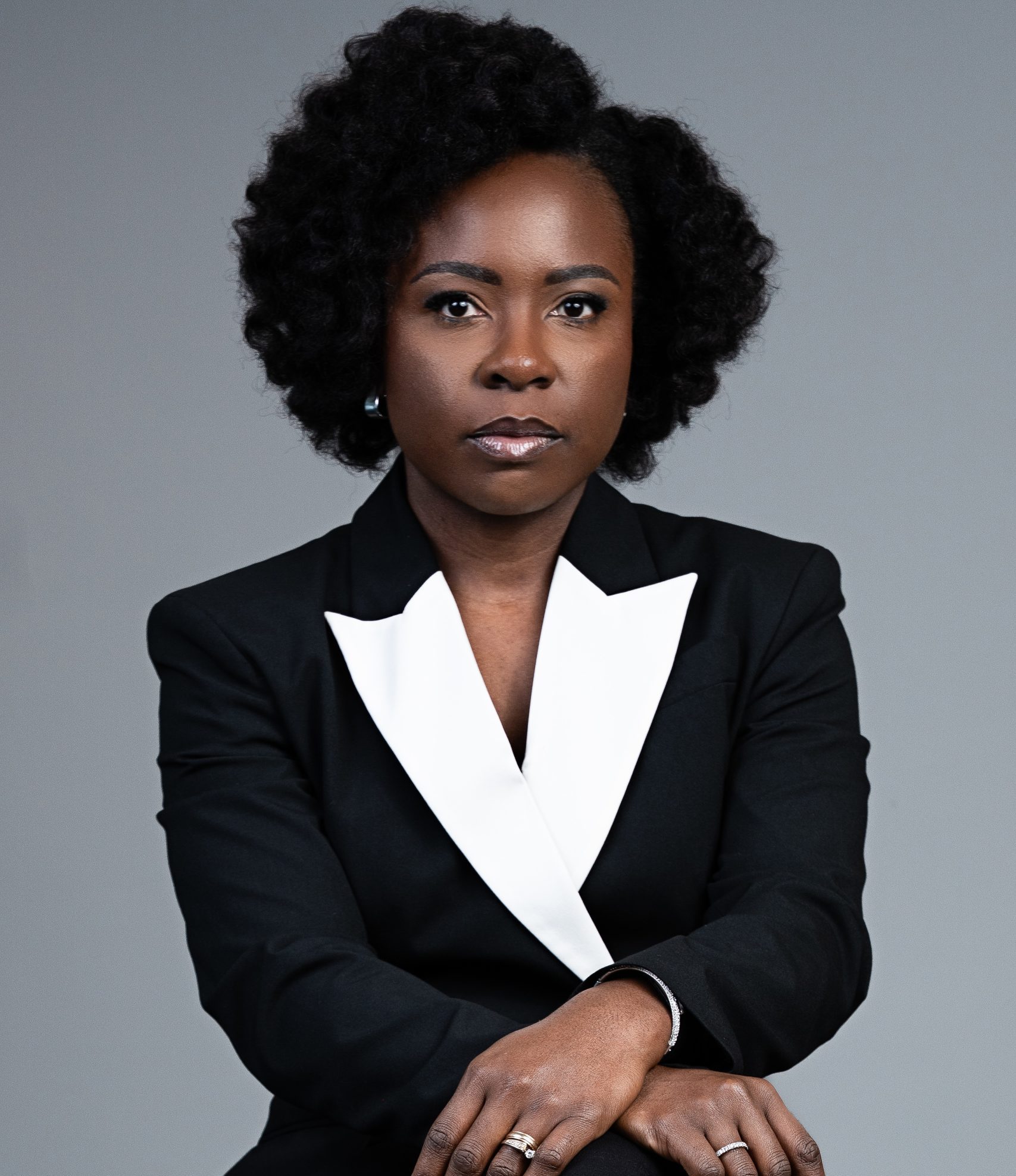
Hon. Vera Daves de Sousa explains how tax reform, sustainable public financing, and economic diversification can strengthen investor confidence and support Angola’s development.
How is the Ministry balancing fiscal discipline with Angola’s development priorities?
Our mission is to maintain sustainable public finances while addressing Angola’s development priorities. We need to keep public debt under control, but there are also substantial needs in infrastructure, food security, and public services. Fiscal space is limited, so we cannot treat every proposed investment as equally urgent. We must protect macroeconomic stability while directing resources toward projects that can produce meaningful economic and social returns.
Coordination across government is central to this approach. Together with the Minister of State for Economic Coordination and the Ministry of Planning, we are strengthening the criteria applied to new projects. We look at their potential to generate employment, support agricultural and industrial production, and benefit other sectors of the economy. The objective is to make each financing decision contribute as much as possible to Angola’s development rather than simply increase expenditure. We also examine whether investments help producers reach customers, where transport and storage remain obstacles.
We must also honor commitments already made. Existing projects need to be completed, but new initiatives require more rigorous assessment before the state takes on additional obligations. Carefully chosen spending can stimulate production, broaden the tax base, and leave more room for essential public services. This is how fiscal discipline can support growth and inclusion, although we recognize that applying these standards consistently remains an ongoing task.
What progress has Angola made in modernizing tax collection and expanding non-oil revenue?
The General Tax Administration (AGT) has undergone a major technological transformation. We introduced value-added tax and expanded digital services that make it easier for taxpayers to interact with the administration. Artificial intelligence is helping to target inspections, while taxpayer portals and other channels improve access to information. We are also extending electronic procedures so that decisions can be followed and recorded at each stage, reducing the scope for subjective judgment. Taxpayers can increasingly monitor the progress of cases and present counterarguments through these systems. The impact is visible in public revenue. For the first time, the 2026 budget proposal projected non-oil receipts above oil receipts. Monthly non-oil collections are also increasingly able to cover recurrent obligations, including salaries and debt service, which previously depended more heavily on petroleum revenue. This reflects the broadening of the tax base alongside growing activity in industry, electricity, distribution, services, and new technologies. Greater revenue diversity strengthens the government’s capacity to meet its obligations.
Tax reform remains a work in progress. Parliament has approved the new personal income tax code, which takes effect in 2027, while corporate income tax reform remains under parliamentary consideration. We must improve service quality, technical capability, ethics, and integrity within the administration. Technology supports transparency, but people need to apply the rules fairly and communicate effectively with taxpayers. That is essential to building a system that businesses and citizens can trust.
How is Angola managing public debt while strengthening investor confidence?
Our priority is to reduce financing pressures while demonstrating that Angola can meet its obligations. We have strengthened debt-management capabilities through technical assistance from the U.S. Treasury and engagement with international institutions, including the World Bank. When we raise funds in international markets, part of the proceeds may be used to buy back debt approaching maturity. This helps avoid concentrations of repayments, extends the profile of our obligations, and gives investors greater visibility over future debt service.
We also make advance repayments when additional liquidity is available and seek financing with longer maturities and lower costs. A recent operation supported by a World Bank guarantee is intended to give us access to more favorable commercial financing, allowing us to refinance costlier debt and direct fiscal resources toward education. Following our first Samurai bond issuance in December 2025, we are strengthening relationships with Japanese investors while seeking financing arrangements that allow Angolan companies to participate in the projects being funded.
Transparency is equally important. We are improving the quality of debt reporting, aligning statistics more closely with international practices, and making official information more accessible to investors, including in English. Support from the International Monetary Fund is helping us improve our statistical and reporting practices. We maintain dialogue with rating agencies and investors already active in Angola, as well as those considering entry. We want confidence in the state’s ability to manage its finances to translate into a greater willingness to commit private capital to the economy.
“The only thing we ask is that they embrace us as partners who want to have mutual and reciprocal advantages in which citizens also feel the impact of these investments.”
How is the Ministry improving the selection and execution of public investment projects?
Our focus is on the quality of projects and the capacity of public institutions to deliver them. The Ministry of Planning plays an important role in setting eligibility criteria for new investment, while the ministries responsible for implementation must demonstrate that projects are properly prepared. We are strengthening the skills of public managers in project design, expenditure control, and reporting. These capabilities matter because even a well-chosen investment may fail to deliver its intended benefits if execution is weak. We also need reliable assessments before projects are approved and supervision once work begins. Officials must identify potential delays, review costs, and ensure that contractors meet their obligations. These controls can prevent unnecessary expenditure and help institutions respond when implementation falls behind schedule. Such oversight is particularly important when resources are limited and public funds face competing demands.
Our objective is to ensure that approved projects are completed and deliver the services people expect. Better monitoring also helps identify problems early, so public institutions can address them before costs rise. That strengthens accountability without weakening fiscal sustainability. As part of this effort, we are also reviewing whether some projects traditionally financed by the public budget could be delivered with private partners or by private investors themselves.
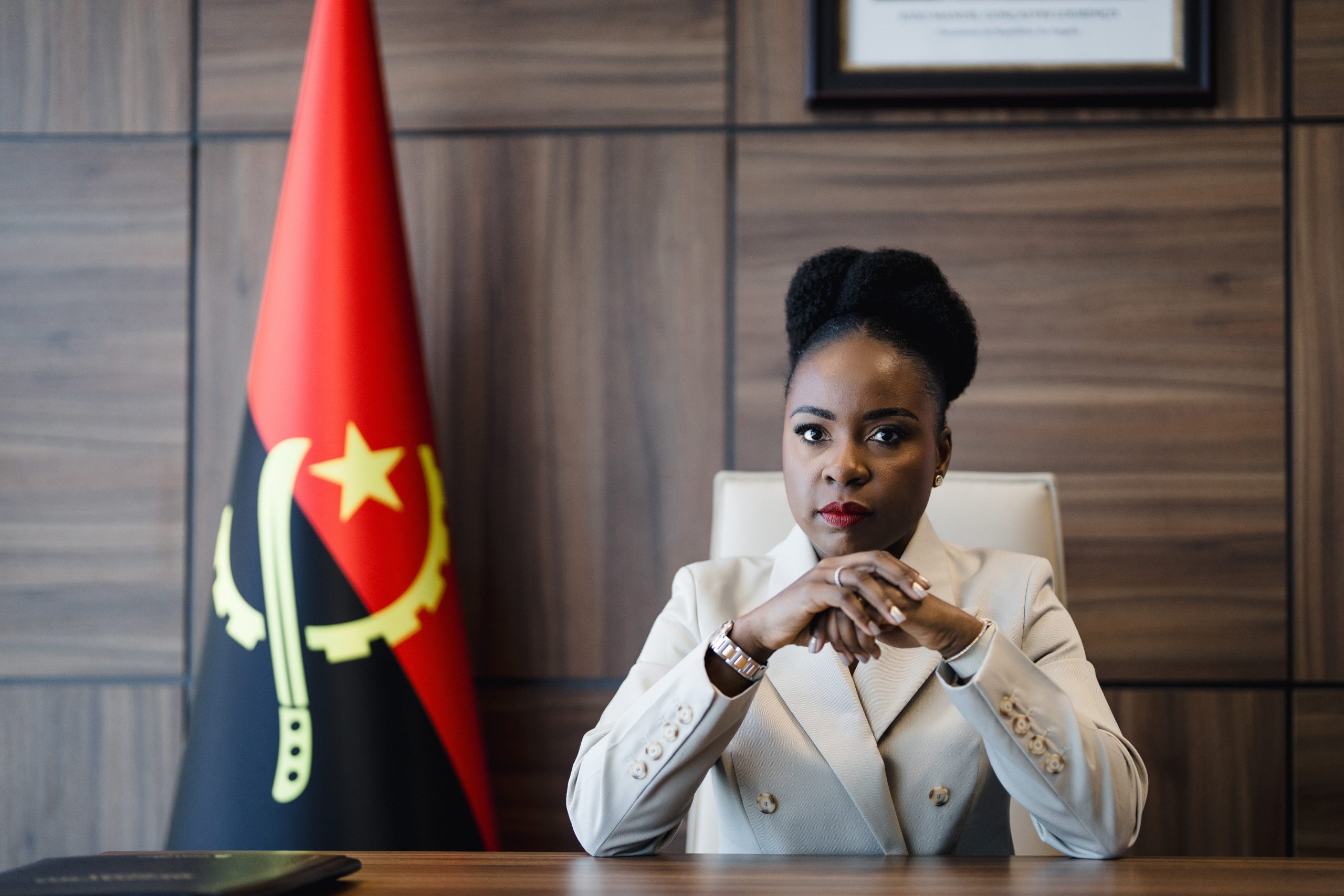
What role can private investment and public-private partnerships play in infrastructure development?
We see public-private partnerships and concessions as an important next stage in Angola’s investment strategy. In many existing concessions, the state has financed the infrastructure and then transferred its management to a private operator. We want to explore more arrangements in which the private sector can finance a commercially viable project from the beginning, using the income it generates to recover the investment.
This requires credible market studies and well-structured projects. Elsewhere, commercially viable infrastructure can be built using private capital and repaid through the revenue it generates. Angola has not yet developed that model as extensively as we would like. Not every public investment is suited to private financing, but where a project can sustain itself commercially, it is worth examining whether the government needs to commit scarce budget resources. A greater private-sector role could free public funds for priorities that require state support while accelerating the delivery of productive infrastructure.
It is also important to consider who benefits from the investment. We want financing arrangements that offer room for Angolan contractors, suppliers, and workers, rather than leaving most of the economic benefits outside the country. The challenge is to attract investors while ensuring that more economic value remains within Angola. Developing these partnerships further will be one of our priorities.
What message would you give international investors about Angola’s long-term economic outlook?
I would encourage investors to get to know Angola and engage directly with our institutions. We understand that the business environment still needs improvement, including simpler procedures, better information, and stronger conditions for private enterprise. We are open about those challenges because addressing them is part of our reform agenda. We recognize that a language barrier can also complicate engagement with international investors. The direction is clear: we want stronger public finances alongside a broader and more productive economy.
Angola has sectors in which we want greater private participation, and we are ready to work with partners from different markets. Our efforts to improve tax collection, manage debt more actively, and raise the quality of public investment are intended to give investors greater confidence to participate. Investors should be able to understand our priorities, examine opportunities, and discuss where their capital and expertise can contribute. We are looking for relationships built on mutual benefit and a long-term commitment to the country. Investment should involve Angolan businesses and create results that citizens can recognize in their communities and livelihoods. I invite potential partners to visit, ask questions, and challenge us constructively. We know there is further work ahead, but we are ready to collaborate with those who want to help develop Angola’s economic potential.
Produced independently of the TIME Africa newsroom by Penresa.