
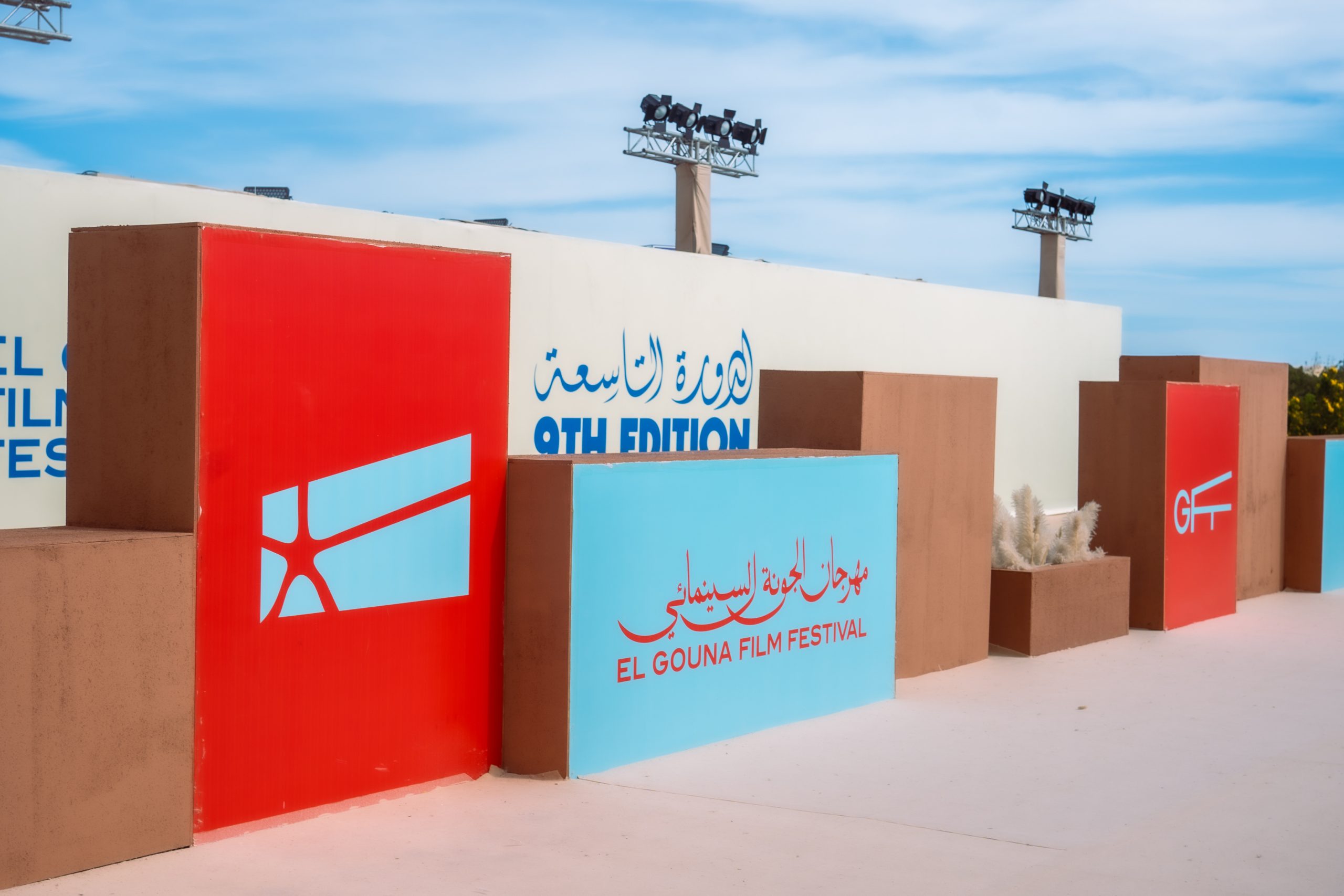
There is a particular kind of fatigue that only an art festival of scale can produce. It doesn’t come from the long days, the back-to-back screenings, or the endless walks between venues, but from the constant sense that something equally important is unfolding in the room next door, and that you are, once again, about to miss it.
By the end of El Gouna Film Festival’s, that fatigue had settled into our bones, and, oddly enough, it felt like the clearest sign that the festival had done its job. Before we leave El Gouna behind for another year, here are our peaks and lows of the festival’s 9th edition.
We Liked: The Programming
The programming this year induced the very feeling a film festival of this scale should: FOMO. We spent all nine days in and out of screenings, flashing media badges and scanning QR codes at a frenzied pace. Whatever screening we were attending, we were missing out on two or three other, equally tempting ones. Repeatedly seeing “This screening overlaps with another one you have already booked” pop-up on the ticketing website was genuinely frustrating.
What made everything difficult to miss was the sense of urgency carried through most of the titles, spanning highly anticipated regional and local debuts, immersive feature documentaries, and anatomical examinations of politics, the environment, gender, family, society and history. For a festival that many local media outlets portray as detached, we’ve heard several attendees complaining about how political this year’s programming was. For us, it was a good problem to have.
We prioritized films in competition, but the out-of-competition selection was just as appealing, with films like Na Hong-jin’s Hope, the most expensive South Korean production to date, getting a primetime slot at the GFF’s largest venue, the Festival Plaza.
We Liked: The Forum
On most days, we started with the 11:00 am and 1:00 pm panels, talks and masterclasses at the CineGouna Theatre in the plaza, before dedicating the rest of the day to screenings. These included masterclasses with producers, actors and directors, and panel talks on a wide range of topics, from funding during a regional war economy to AI dubbing and adapting to the streaming era.
A common thread across the talks we attended was the rare, raw insider knowledge with which everyone spoke. We heard disagreements between industry poles, diverging perspectives between directors and producers, awkward conversations about adjusting actors’ fees in response to the regional economic downturn, and candid frustration with many aspects of the regional film and TV landscape.
Some names circulated across panels, and some didn’t map cleanly onto a panel’s topic, but in most cases, the conversations brought together exactly the profiles you’d want to hear from on the subject at hand, from Majed Al Mansoori, executive director of Dubai’s Museum of the Future, speaking on the future of the Arabic language in the age of AI, to alternative filmmakers Ayten Amin and Khaled Mansour breaking down director-producer power dynamics.
We Liked: The Awards
Edition after edition, El Gouna Film Festival has been establishing itself as an increasingly significant stop on the global festival circuit, and its awards as an equally influential mark of recognition, one that follows the festival’s own taste and sense of urgency instead of tracing the footsteps of more established film affairs.
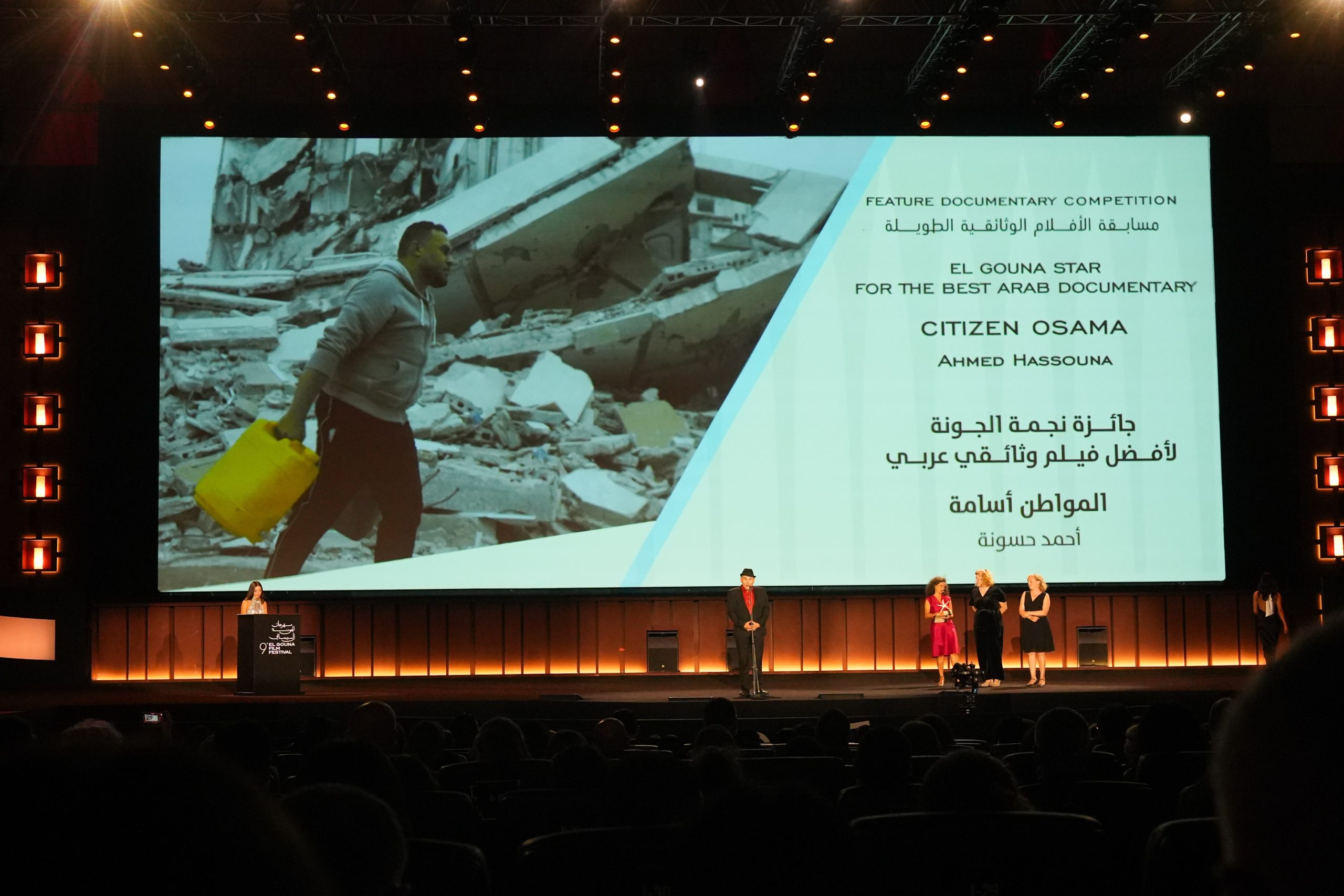
This year marked new progress on both fronts. The award choices were curatorialy independent and intentional, with all juries converging on bold storytelling over aesthetics and style, reflecting the urgency of one of the most politicized years in recent memory. Some attendees complained that messaging and cause trumped cinematic craft in both programming and awards selection, but as far as the films we’ve attended go, that was a difficult argument to sustain.
Attending the closing ceremony was thrilling precisely because not a single film was the obvious choice in any category until the winners were announced on stage. Mass appeal, previous festival performance, production budget, star power: none of these alone was a determining factor, which pointed to a selection process unburdened by the industry habit of following global trends.
We Liked: The Plaza
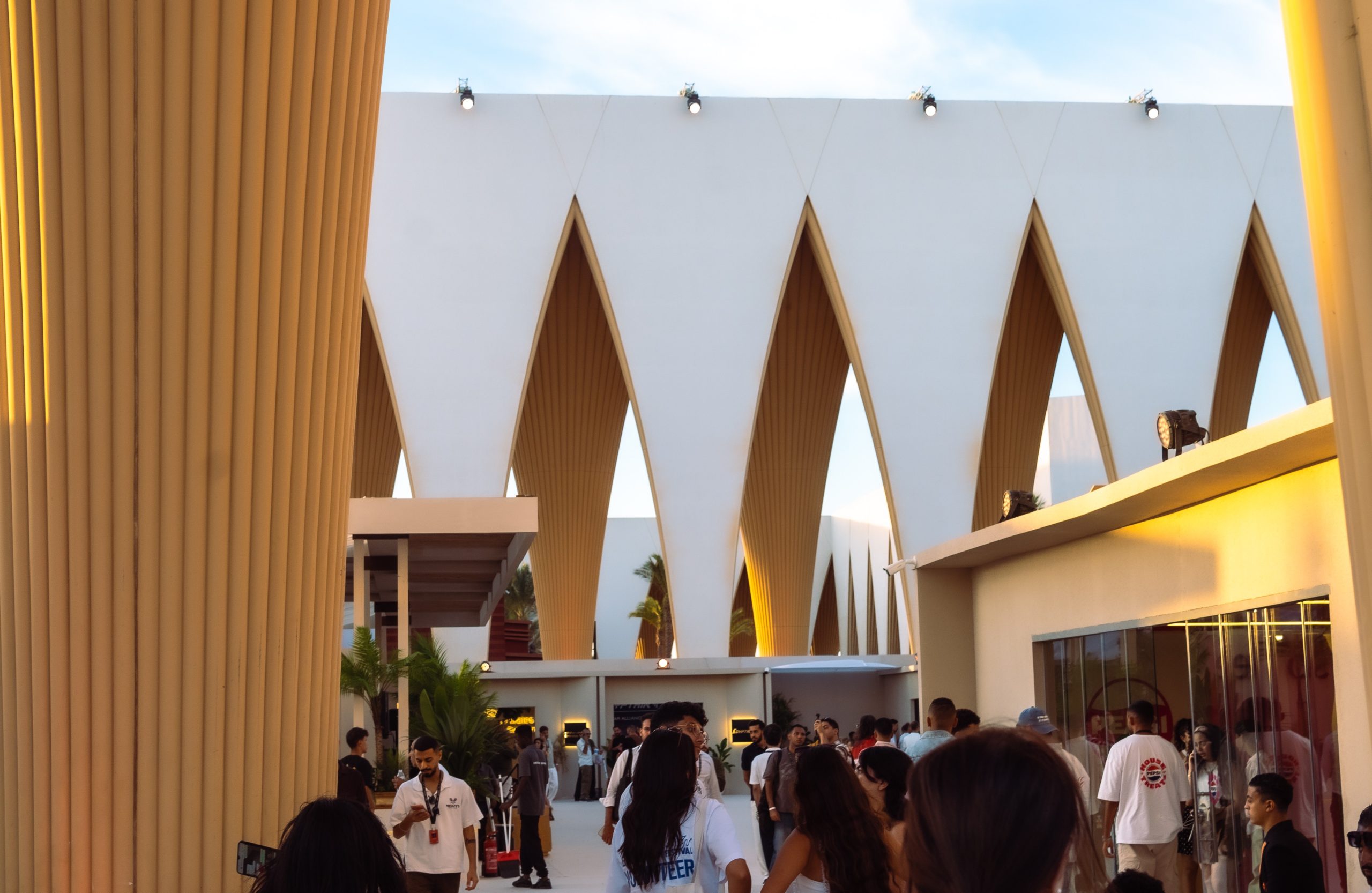
The spectacle of the festival’s main plaza – defined by towering arches that reach far into El Gouna’s sky, lit up at night and, at times, used as a projection surface for VJ performances – was as defining of the festival experience as everything unfolding within it.
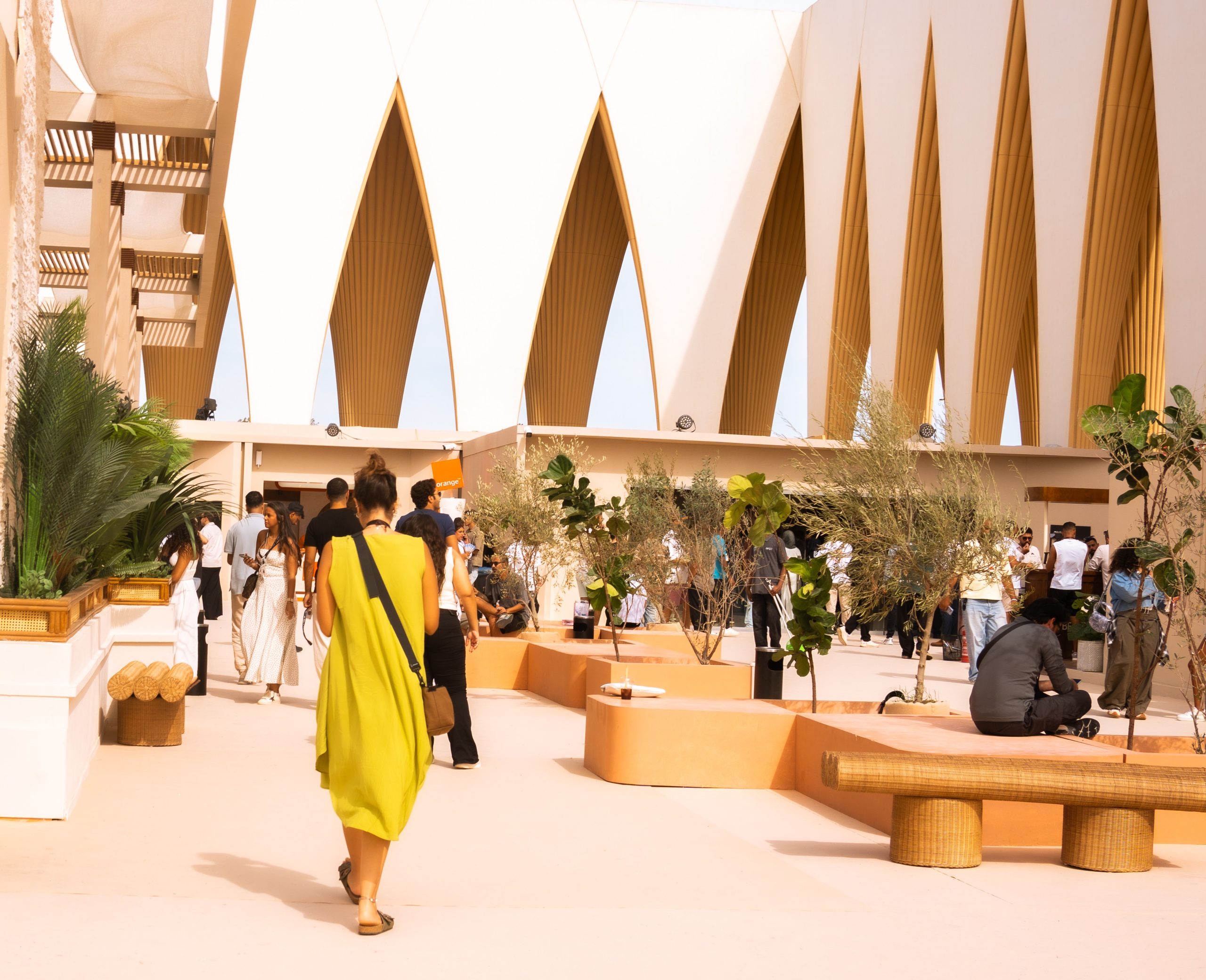
The vast venue allowed for an immersive, easily navigable daily flow, scattering exhibitions and professional markets along visitors’ paths between venues and activations. It was shaded enough for the high-UV sun, with cool water dispensers always within reach and plenty of seating areas and coffee shops, allowing a concurrent crowd of ubdreds of festivalgoers to rest and recharge between screenings and talks.
When choosing between equally compelling screenings or panels, the fact that one was taking place at the plaza was often a low-key tiebreaker.
We Liked: The Guestlist
Nothing says you’re at the heart of the Arab film industry like spotting a recognizable industry face wherever you turn your sight throughout the festival’s run. The plaza, if not El Gouna as a whole, was a 24/7 networking hub, buzzing with side conversations, elevator pitches, and creatives shaking hands for the first time after following each other’s work for years.
The abundance of industry figures was especially pronounced at the forum talks, where most Q&A questions came from emerging artists, established industry heads and recognizable creatives from other mediums – cementing the feeling that you were in the room where the deals and decisions shaping the coming year in Arab film and TV were being made.
We Liked: The Turnout
When we attended GFF for the first time last year, booking tickets was never a source of worry. Even when we forgot to book a screening or a panel in advance, or decided to attend one on the spot, a simple text to the PR team would almost always return a QR code that let us in, no matter how anticipated the event, how small the venue, or how few minutes were left before the doors closed.
This year, our experience was quite the opposite. After learning the hard way on the second day that turnout was particularly high, our team developed a daily ritual: opening the ticketing site at precisely midnight, the moment tickets for the day after tomorrow became available, and racing through a set of pre-opened tabs to beat the crowd to the day’s most anticipated events. Even screenings scheduled against high-traffic events like Amr Diab’s party sold out more than a day in advance, including those at the 1,400-seat Festival Plaza.
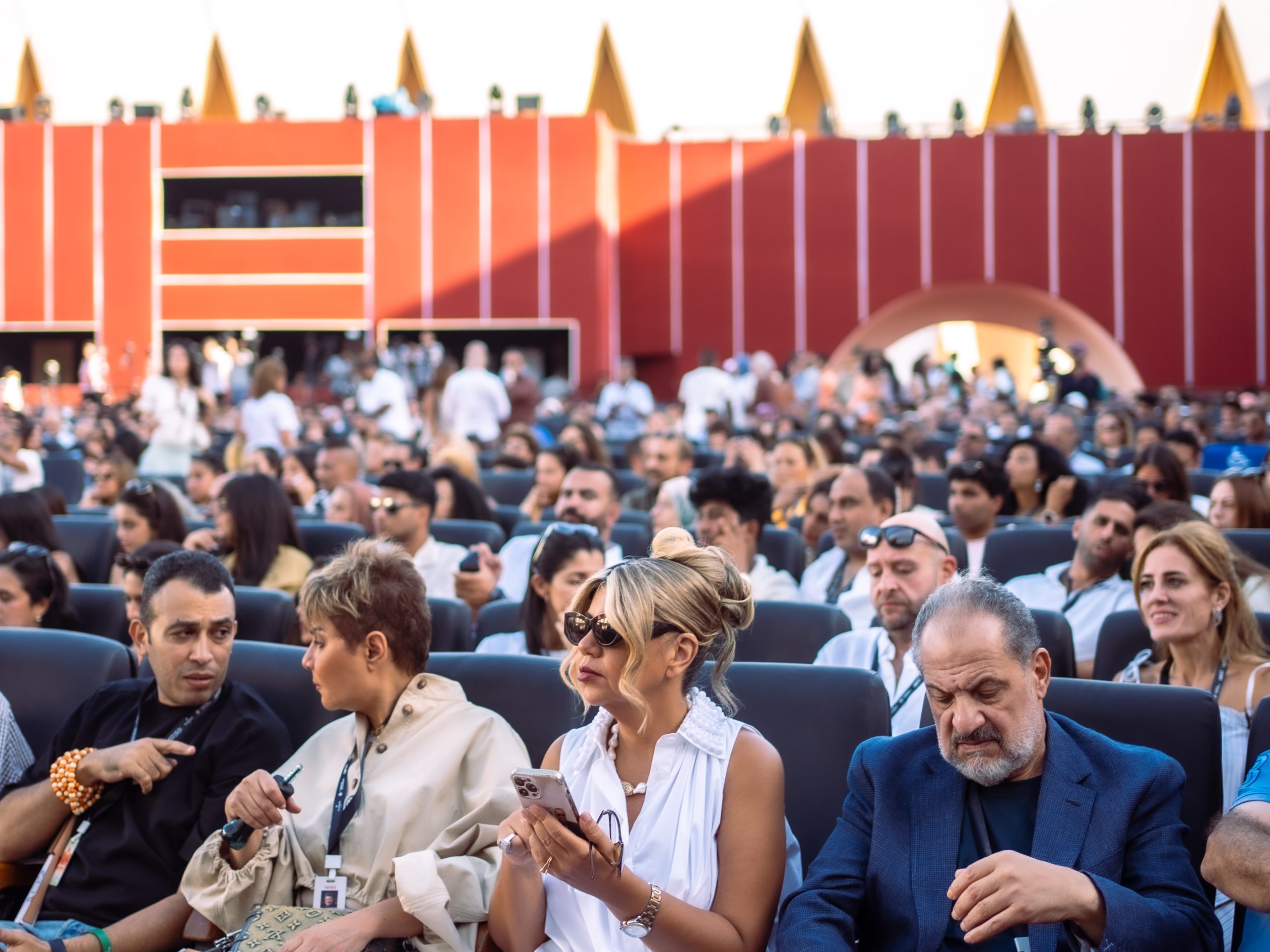
We tried to be responsible festivalgoers and cancelled our tickets to events we knew we wouldn’t make. We weren’t the only ones. After a day of relentless refreshing, we managed to score seats at sold-out screenings, thanks to like-minded festivalgoers doing the same.
It was exhausting, occasionally maddening, and entirely worth it. A festival whose biggest problem is too many people wanting to watch its films is a festival doing its job right.
We Didn’t Like: The Media Schism
As someone attending GFF for the second year, I found that the schism between how the festival feels on the ground and how it comes across in media coverage remains one of its main unresolved struggles.
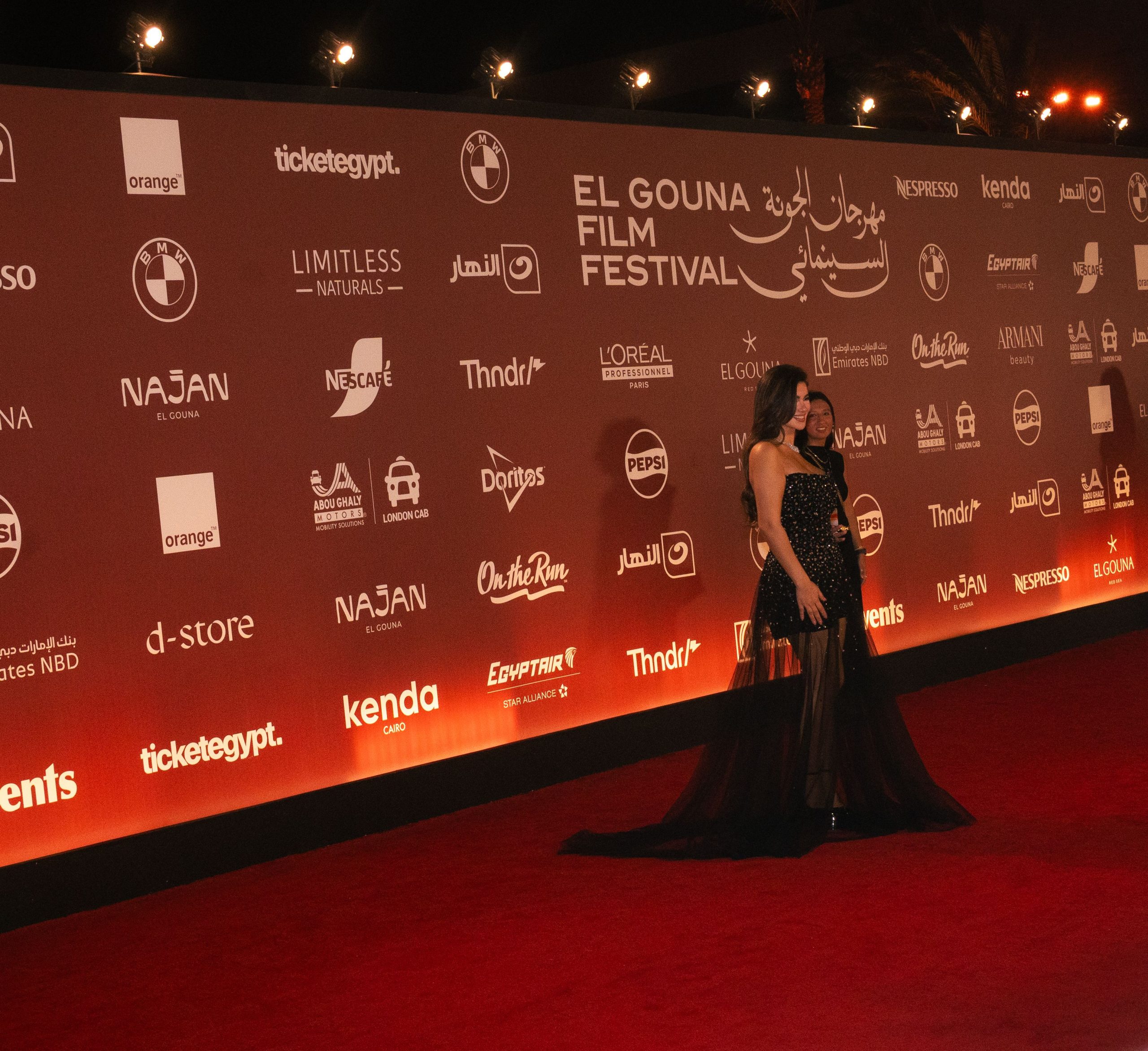
Media coverage these days is often defined by volume rather than depth, so the flood of local media pages and small outlets tends to have the loudest voice online during the festival’s run, insisting, for another year, on reducing the event to its most detached elements: celebrity vanity, endless red carpet photo ops, scandalized and scrutinized fashion choices, and a puzzling, deliberate avoidance of discussing anything film or art in the process.
The tabloid-to-critic ratio among attending journalists remains critically disproportionate, with most critics writing for foreign outlets or English-language regional media, leaving the mass Arab audience to judge the festival by a distorted image of glamour and vanity that doesn’t capture what it feels like to be there for nine film-packed days.
We Didn’t Like: The Logistics Staff
Across conversations with several film journalists at the festival, a common frustration was how the on-the-ground logistics staff, from ushers and gatekeepers to valets and security, often worked against the press, making covering the festival, particularly photography and videography, unnecessarily difficult. As a German film critic whimsically put it: “If a German is telling you you’re following the rules too strictly, you have a problem.”
Most of the issues we encountered were immediately resolved with a simple text to the head of PR, but the inexplicably difficult exchanges with the staff remained a serious obstacle to perfect coverage and festival experience.