
The continent’s wealth still leaves its borders in raw form. Reversing that and dismantling the barriers between African markets, is the real growth agenda.
Intra-African trade has grown from roughly 15% of the continent’s total trade to around 20% in a remarkably short period. Some US$230 billion in goods and services now moves between African markets every year. That is real progress — and it is still a fraction of what is possible. Getting to US$300 billion, and ultimately US$400 billion, is not an abstract target. It is the difference between a continent that trades its potential away in raw form and one that builds prosperity within its own borders.
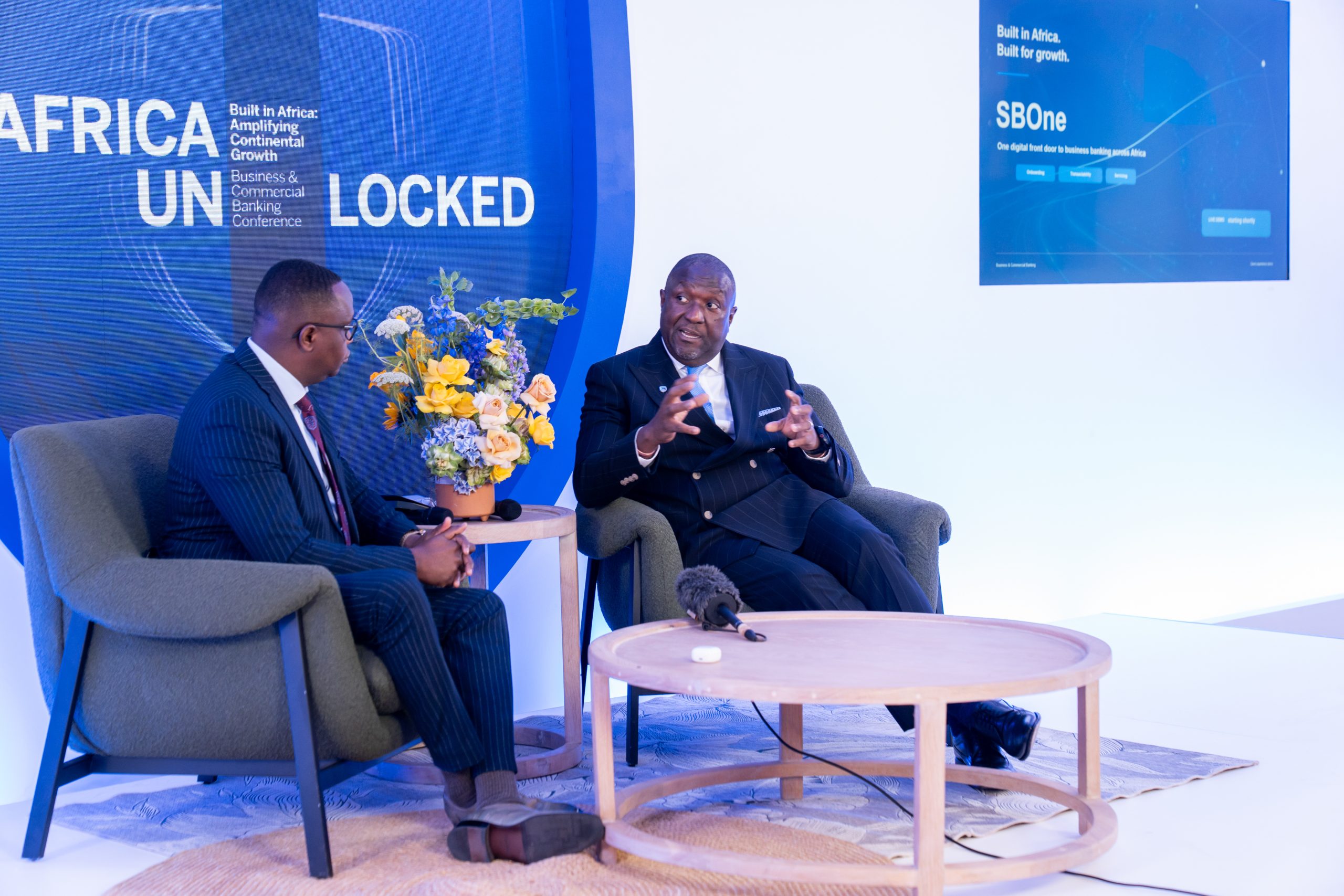
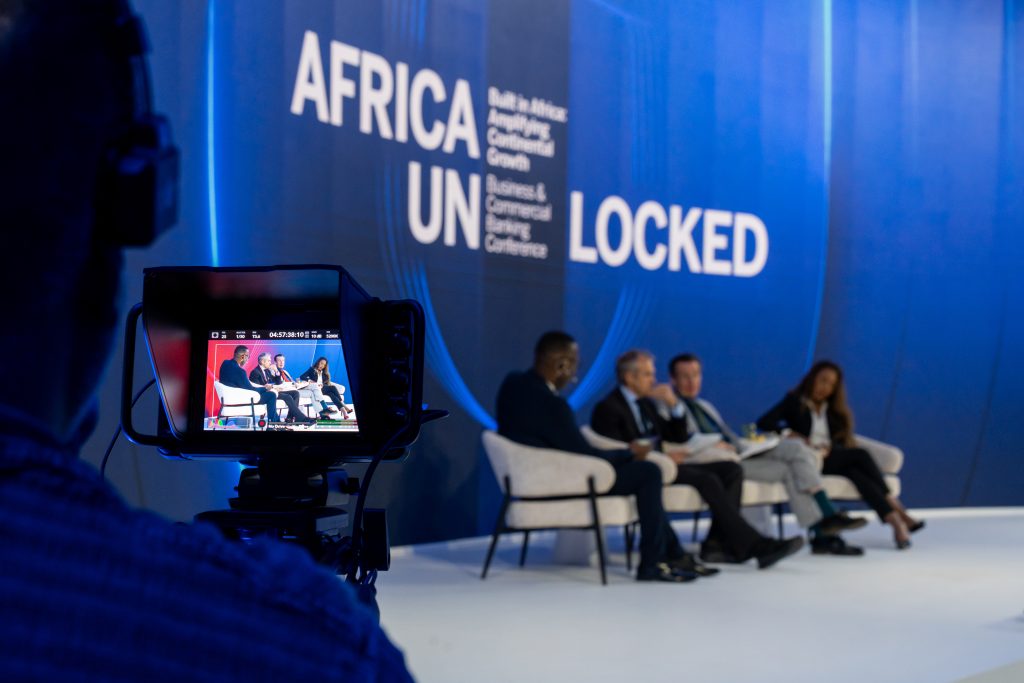
That gap between what Africa has and what Africa captures was the question at the heart of the recent Africa Unlocked conference in Cape Town, which brought business leaders, policymakers and investors together to test a proposition many of us have long argued: that the continent’s next chapter of growth will be written through trade, value addition and regional collaboration – or it will not be written at all.
The value-addition imperative
Africa’s fundamentals are well rehearsed: the world’s youngest population, abundant natural resources, fast-growing consumer markets. But endowment is not a strategy. Too much of the continent’s wealth still leaves its borders unprocessed — minerals shipped as ore, crops exported as raw commodities, value and jobs created elsewhere and imported back at a premium.
The next phase of African growth has to be built on value addition: processing raw materials locally, deepening manufacturing capability, and exporting finished products rather than commodities. This is not economic nationalism; it is arithmetic. Every stage of processing captured on the continent multiplies the jobs, skills and tax revenue that a tonne of raw output generates. It also builds the industrial resilience that commodity dependence has always denied us.
Trade within Africa is still too hard
The African Continental Free Trade Area gives the continent the architecture for this shift. What it cannot do on its own is remove the friction that makes trading with a neighbour harder than trading with Europe or Asia.
The biggest constraint facing African businesses today is not tariffs but non-tariff barriers: divergent regulatory frameworks, incompatible customs procedures and layers of administrative complexity that slow goods and services at every border. A mid-sized manufacturer in Johannesburg or Lagos should not need a compliance department the size of a multinational’s to sell into a neighbouring market.
Fixing this requires governments, regulators and the private sector to move in concert — harmonised standards, modernised customs systems and genuinely efficient borders. Infrastructure must advance in parallel. Transport corridors, ports, energy systems and digital networks are the physical backbone of regional trade; without them, tariff liberalisation is a promise the continent cannot deliver on.
Finance as connective tissue
Capital has a specific role to play here, and it goes beyond lending. Trade finance gives businesses the confidence to move goods and money across borders. Regional payment systems strip cost and delay out of cross-border transactions. And financial institutions sit at a junction point in the economy — connecting companies to investors, investors to opportunities, and businesses to markets they could not reach alone.
Encouragingly, African investors themselves are showing growing conviction in the continent’s prospects. International capital matters, but home-grown confidence is the more durable signal. Sustaining it requires the things investors everywhere require: regulatory stability, policy certainty and predictable access to markets. Growth is not driven by capital alone; it is driven by partnerships that allow businesses to scale across borders.
Where the growth will come from
Two sectors illustrate the opportunity. Agriculture remains foundational as the continent’s population grows, but the prize lies in agro-processing — capturing value before African produce reaches global markets, rather than after. Energy and infrastructure are the enabling layer: reliable, affordable power underpins industrialisation, and continued investment in transport and logistics connects producers to regional and international demand. In both, the quality of the regulatory environment will determine how much long-term capital arrives.
The measure of success
Success should not be read off GDP tables alone. It should be visible in broader African participation in the formal economy and in denser commercial connections across the continent — more businesses whose first export market is a neighbour, not a former colonial trading partner.
Reaching US$400 billion in intra-African trade would be more than a milestone. It would mark a structurally different economy: one in which African businesses look first to African markets for growth, investment and partnership.
Africa’s growth story will not be written by ambition alone, and it will not be written by any single market acting for itself. It will be shaped by deliberate action — investment, policy reform and institutions that actively enable business across borders. The conversations are happening. The momentum is building. What the next chapter looks like depends on how boldly we now choose to act.
Andrew Mashanda writes on African trade, investment and regional integration. He is the Head of Business and Commercial Banking, Africa Regions and Offshore at the Standard Bank Group. This article draws on discussions at the Africa Unlocked conference in Cape Town.