
In a room in New York filled with artists, business leaders and cultural tastemakers, Botswana was telling a story about diamonds. But the conversation was increasingly about something harder to define than a stone’s price: where it comes from, what that origin means and who gets to shape its value.
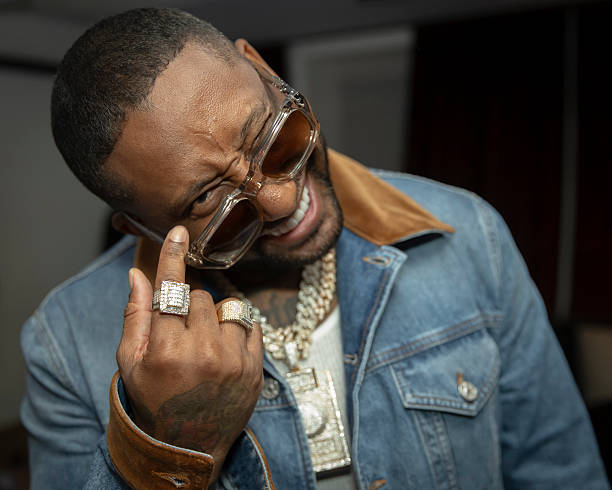
On September 18, House of Botswana hosted Diamonds & The Delta at The Vinyl Room at Soho House New York, bringing together Grammy-winning rapper Rapsody, hip-hop artist Maino, OVO’s Roy Woods Jr. and figures from the diamond and business industries. Pat Dambe represented House of Botswana and Botswana’s Ministry of Minerals.
The gathering came at a moment when Botswana is pushing the story of its natural diamonds beyond the traditional language of mining and commodities. The country is asking consumers to understand the difference between a diamond formed naturally over millions of years and one created in a laboratory, while placing provenance, transparency and economic impact at the centre of the conversation.
That question is becoming harder for the industry to avoid. Lab-grown diamonds have essentially the same chemical composition and crystal structure as natural diamonds, but their origins are fundamentally different. For Botswana, that distinction matters because diamonds have long been central to the country’s economy, supporting government revenue, jobs and development.
The issue has also moved into political cooperation. On September 8, Botswana and Angola agreed in Luanda to deepen cooperation in the diamond sector, with both countries seeking to strengthen the position of natural diamonds as synthetic stones gain ground in international markets. The two producers account for almost 30% of global rough diamond production by volume.
That cooperation sits within the wider Luanda Accord, signed in 2025 by major diamond-producing countries and industry stakeholders. Participating producer governments and De Beers committed to allocating the equivalent of 1% of annual rough-diamond sales revenue to global marketing of natural diamonds through the Natural Diamond Council. Botswana’s minerals minister, Bogolo Joy Kenewendo, described the effort as, “an investment in telling the industry’s story to the world”.
For Botswana, however, the story is becoming bigger than diamonds alone. Diamonds & The Delta deliberately joined the country’s mineral wealth with the Okavango Delta, music and luxury, reflecting an effort to build value around the wider Botswana brand. At home, the government is also pursuing economic diversification through initiatives including a new sovereign wealth fund and efforts to develop tourism into a higher-value, more connected industry.

That makes the New York gathering more than a celebration. Botswana was placing a resource traditionally discussed in mining and government circles inside global cultural networks, alongside the people who shape music, fashion, entertainment and luxury. The strategy is about making Botswana recognisable not only for what it produces, but for the story, culture and experiences attached to what it produces.
“Botswana’s story deserves a global stage,” said Jason Coke, Managing Partner at Global Venture Partners and affiliated with TIME Africa. He argued that building global connections around Africa’s influence can help turn that influence into lasting impact.
Karabo Mokoto, Counsellor at the Permanent Mission of Botswana to the United Nations, has similarly stressed the importance of consumers understanding the distinction between natural and laboratory-grown diamonds. For Botswana, the argument is tied to provenance: knowing where a diamond comes from helps consumers understand its value and the communities and economies connected to it.
The challenge now extends beyond the diamond industry itself. Botswana and Angola are building political alliances, producers are investing in global marketing, India remains central to the cutting and polishing value chain, and markets are grappling with how synthetic stones should be identified and communicated to consumers.
Diamonds & The Delta reflected House of Botswana’s wider strength in building meaningful bridges between Botswana and global cultural industries, creating spaces where culture, commerce and creativity intersect. It offered a glimpse of how the country is taking its diamonds, heritage and wider national story into new global spaces.
When that influence travels beyond the cultural sphere it’s key that the nation knows its next steps. As Botswana, Angola, and other players invest in marketing, provenance and consumer education, a room full of global tastemakers helps move the regulators, retailers and consumers who decide what a diamond means.