“Investment in education is the most strategic and far-reaching investment any country can make.”
— H.E. Dharambeer Gokhool, G.C.S.K., President of the Republic of Mauritius
As global capital redraws its routes and supply chains reorganize around resilience, Mauritius is reinforcing its position as a strategic bridge between Africa, Asia, Europe, and the Middle East.
Over the past several decades, the island has transformed from a sugar-dependent economy into a diversified hub for financial services, tourism, logistics, and international business. That evolution has been underpinned by political stability, strong institutions, legal certainty, and a reputation for good governance—qualities that have become increasingly valuable in an uncertain global economy.
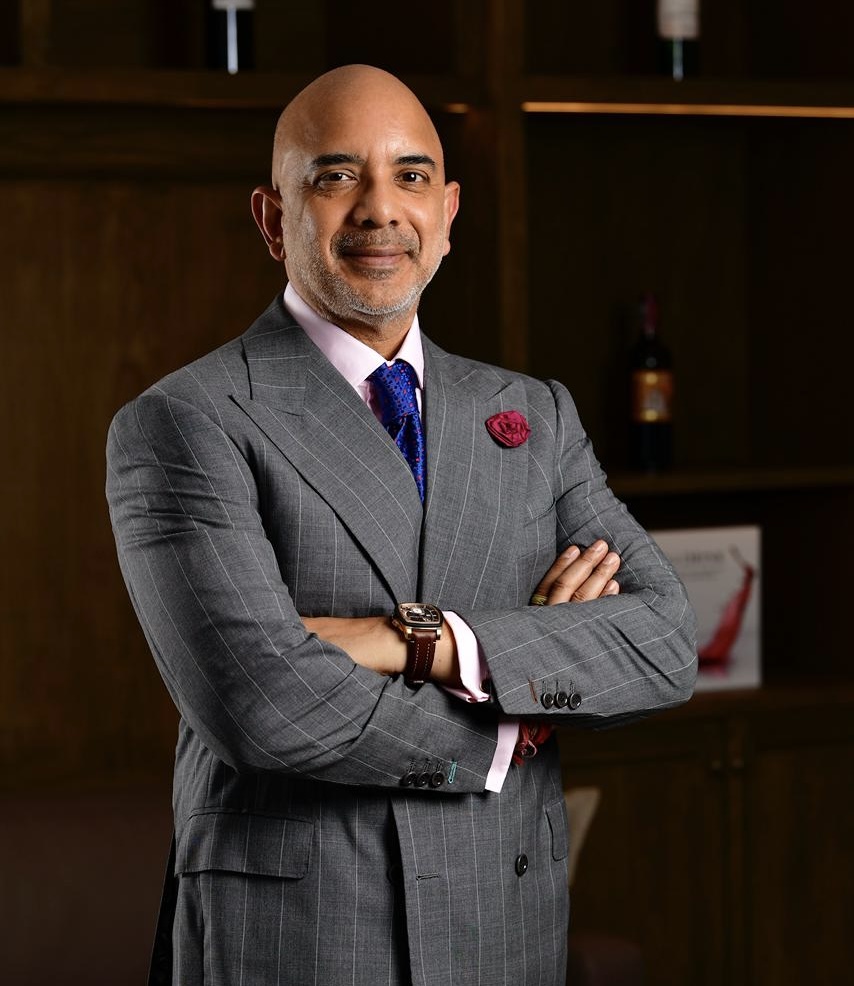
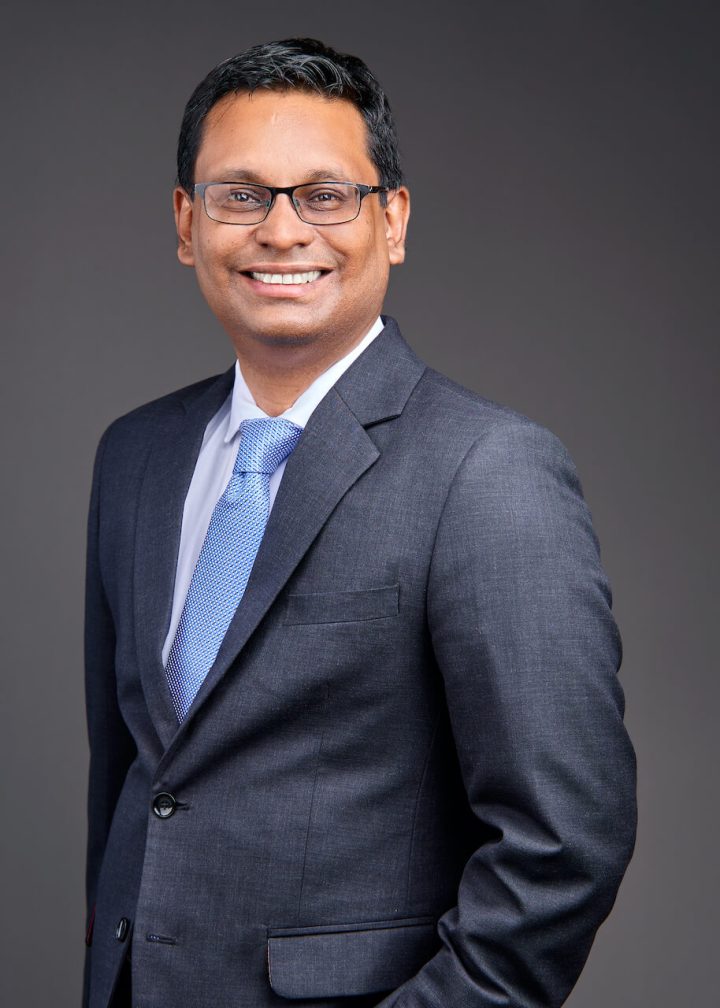
Priscilla Balgobin-Bhoyrul, Managing Partner of Dentons Mauritius, notes that investors are increasingly focused on protecting capital, while Faraz Rojid, Chief Executive Officer of Mauritius Finance, believes Mauritius continues to stand out by offering “stability, clarity, and confidence.”
Mauritius’ greatest long-term investment has been in its people. President Dharambeer Gokhool believes education remains the country’s greatest strategic advantage, describing its educated, multilingual and adaptable workforce as Mauritius’ strongest competitive asset.
That focus is now expanding into digital literacy, artificial intelligence and innovation. Marcelo Aleman, Chief Executive Officer of Emtel, sees significant opportunities in digital services, fintech and next-generation connectivity as the country positions itself for the future economy.
The African Continental Free Trade Area is reshaping investment across the continent, creating one of the world’s largest integrated markets. Mauritius is positioning itself as a trusted platform through which international investors can access these opportunities.
Foreign Affairs, Regional Integration and International Trade Minister Dhananjay Ramful describes Africa as “one of the greatest economic opportunities of the future,” while Ravin Dajee, Managing Director of Absa Bank Mauritius, says the country’s sophisticated financial ecosystem provides investors with an efficient gateway into African markets.
Beyond finance, logistics is becoming an equally important pillar. Guillaume Adam, General Manager of MFD Logistics, describes Mauritius as “a strategic gateway between Africa, Asia, the Middle East, and Europe,” reflecting the island’s growing role in regional trade and supply chains.
Mauritius is also looking seaward. With an Exclusive Economic Zone of approximately 2.2 million square kilometres, the country is investing in port infrastructure, fisheries, renewable energy and the broader blue economy. Minister Arvin Boolell believes the Indian Ocean will become one of the world’s defining trade corridors, arguing that “Mauritius will be the star and key of the Indian Ocean.”
Throughout its history, Mauritius has responded to disruption by reinventing itself. Today, investments in human capital, digital transformation, sustainable industries and regional integration are positioning the country for its next phase of growth.
In a world where trust, stability and connectivity have become strategic advantages, Mauritius is demonstrating that influence belongs not only to the largest economies, but also to those capable of adapting to change while providing confidence to investors and partners alike.