
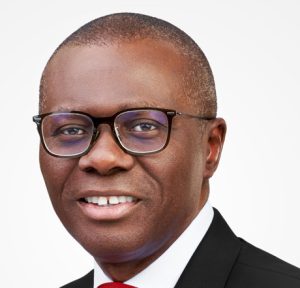
Governor Babajide Sanwo-Olu discusses infrastructure, economic growth, mobility, healthcare, and the long term foundations positioning Lagos as Africa’s leading 21st-century megacity.
“I think about legacy less as monuments and more as habits, the things that keep working long after leadership changes.”
Your administration has become associated with delivering long-awaited infrastructure projects. Which achievements best represent your vision for building a Lagos that lasts?
When we took office in 2019, the idea of a Lagos metro had been on the drawing board for nearly 40 years. It had been studied, planned, and promised, but for one reason or another, it had never fully taken off. We made the decision that it would not remain an idea. In September 2023, Lagos opened the first phase of the Blue Line between Marina and Mile 2, creating Nigeria’s first fully electric intracity rail service. What makes me proud is not only completing the project but seeing the impact it is having. Millions of passengers have used the service, trains are running more frequently, and we have worked to make fares accessible because infrastructure must improve everyday lives. The broader rail program represents the standard we are setting. Completing the Red Line corridor, extending the Blue Line, and advancing future rail projects are investments that will serve Lagos for generations. These projects are difficult, but they are the kind of foundations a global city requires.
THEMES+ has defined your administration’s development agenda. How has this framework helped transform ambition into measurable progress?
THEMES was never meant to be a slogan. It was meant to be a discipline. In a city of more than 20 million people, every issue feels urgent, and the challenge is maintaining focus while responding to people’s needs. Our six pillars give us direction: Traffic Management and Transportation; Health and Environment; Education and Technology; Making Lagos a 21st-Century Economy; Entertainment, Tourism, and Culture; and Security and Governance. In our second term, we introduced THEMES+, and that addition is very important. It reflects our commitment to social inclusion, gender equality, and young people through our “No One Left Behind” philosophy. Development must not only make Lagos wealthier; it must also make Lagos fairer. The results demonstrate the importance of that discipline. Since 2019, we have delivered major road infrastructure across the state, strengthened our revenue base, and maintained investor confidence through responsible fiscal management. Sustainable growth does not happen by accident. It comes from knowing what you are building and why.
Lagos is transforming mobility through rail, roads, buses, and waterways. How is this integrated approach redefining life in one of Africa’s largest urban economies?
The strategy is to create one connected transport ecosystem. A modern city cannot have rail, buses, ferries, and roads operating as separate systems. They need to work together. The Red Line is already changing how people move through the city. Journeys that once required hours in traffic can now be completed in a fraction of the time. The Blue Line is serving another important corridor, while our bus rapid transit network and waterways continue to expand mobility options for millions of Lagosians. We are also investing in cleaner and more efficient transport solutions, including electric ferries, because mobility is not only about movement. It is about productivity, sustainability, and quality of life. The ultimate vision is a Lagos where residents can plan their journey around a reliable transport system rather than uncertainty. We are not finished yet, but we are creating a city where connectivity becomes one of the foundations of economic growth.
The Lekki Deep Sea Port and Free Zone are reshaping Lagos’ economic geography. How do you see these assets strengthening Lagos’ global competitiveness?
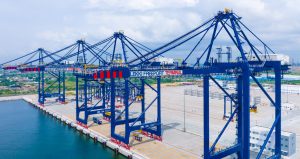
Lekki has changed the economic future of Lagos and the region. It is not simply a port; it is the foundation of a new industrial ecosystem. The Lekki Deep Sea Port has positioned Lagos to compete as a major trade hub for West and Central Africa. However, ports alone do not create prosperity. The real opportunity comes from building the economy around them. That is why the Lekki Free Zone, industrial development, manufacturing capacity, and surrounding value chains are so important. Our ambition is not only to receive goods but to produce, add value, and export. The next phase is strengthening connectivity. A world-class port requires efficient road and rail connections that allow goods to move seamlessly. When those pieces come together, Lekki becomes much more than a gateway. It becomes the engine of a production economy.
Beyond physical infrastructure, how are investments in healthcare and public systems helping Lagos prepare for the future?
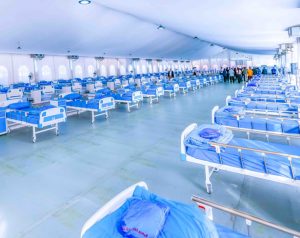
Health is one of the areas where governance becomes deeply personal because it affects every family. A resilient city needs strong hospitals, but it also needs systems that allow those institutions to work together. We are developing a smarter healthcare ecosystem through digital transformation, improved coordination, and stronger emergency response. The Smart Health Information Platform is designed to create a digital backbone connecting patient information, referrals, and emergency response. Healthcare financing is another important priority. Expanding access and strengthening insurance systems allow more citizens to receive care while improving the sustainability of the sector. It is about creating a system that protects people while strengthening healthcare delivery. The lessons from past health emergencies have shown that preparation matters. Lagos has continued to strengthen its emergency response capacity and biosecurity systems so that the city can identify risks early and respond effectively. True resilience is not only about reacting to challenges. It is about creating institutions that are prepared before challenges arrive.
As the steward of Africa’s premier megacity, what legacy do you hope this era of transformation will leave behind? I think about legacy less as monuments and more as habits, the things that keep working long after I have handed over the keys. Physically, people will see the rail lines, roads, bridges, and healthcare infrastructure. Those projects are important, and they will speak for themselves. However, the deeper transformation is institutional. A transport authority capable of managing a modern mobility system. A healthcare framework that reaches citizens effectively. A stronger revenue base that allows Lagos to finance its own future. These are the structures that determine whether progress continues. Lagos has always played a unique role. It is Nigeria’s commercial capital, but it is also a place where ideas can be tested at scale. The challenges we are solving today, from mobility and infrastructure to jobs and sustainability, are the same challenges many African cities will face tomorrow. If Lagos can create solutions that inspire progress beyond our borders, then we are fulfilling the responsibility of a great city: to lead. If, 20 years from now, Lagos is still building on what we started rather than starting over, that will be enough. That is the legacy we are working for.