
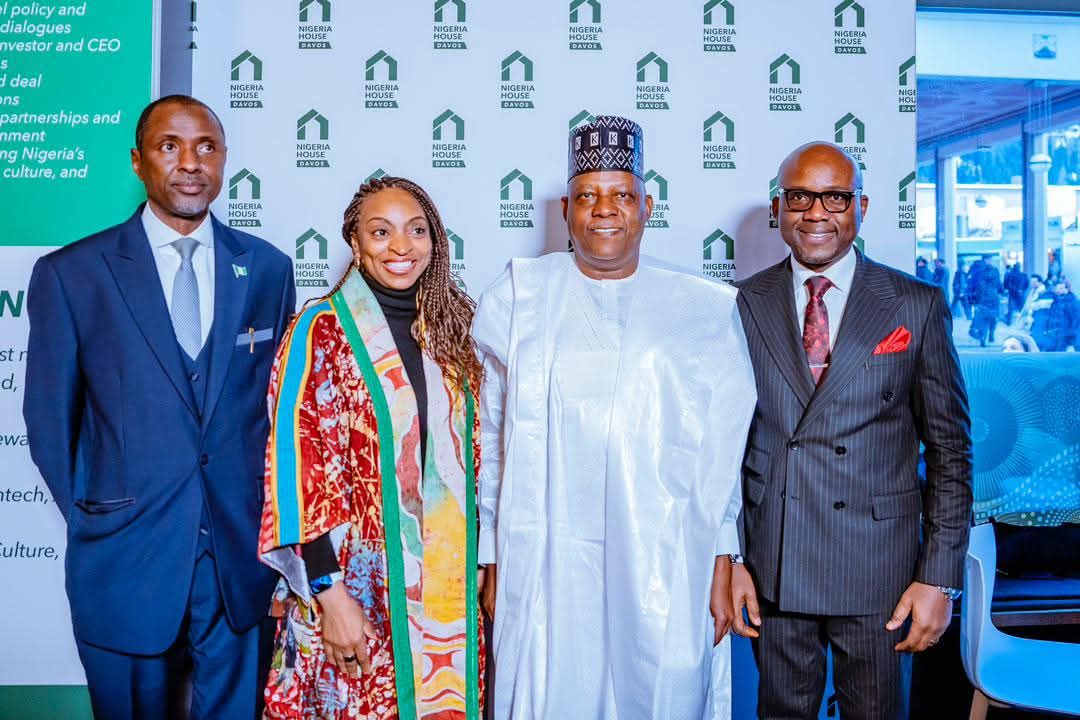
By the time the doors of Nigeria House opened on the Promenade in Davos this week, the symbolism was already heavy. Africa’s largest economy has arrived at the world’s most exclusive economic gathering with a clear message: Nigeria is open for business, open for partnership, and — crucially — open for reform.
But the question confronting global leaders, investors, and Africans watching closely is more uncomfortable — and more urgent:
Is the world finally ready to engage Nigeria on its own terms?
And is Nigeria ready to be held to its word?
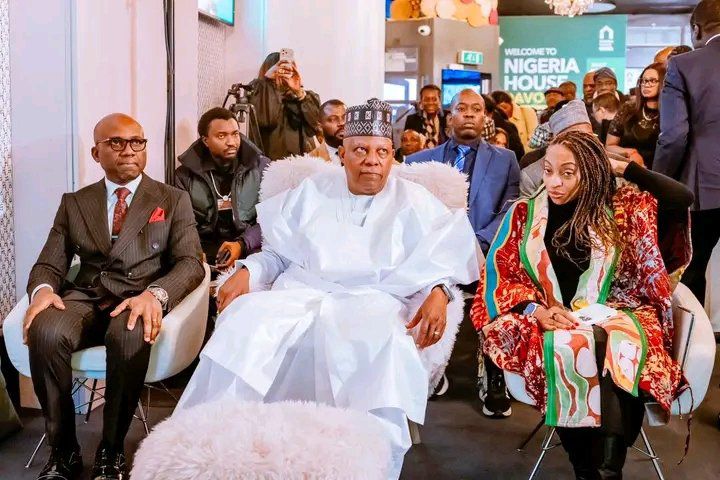
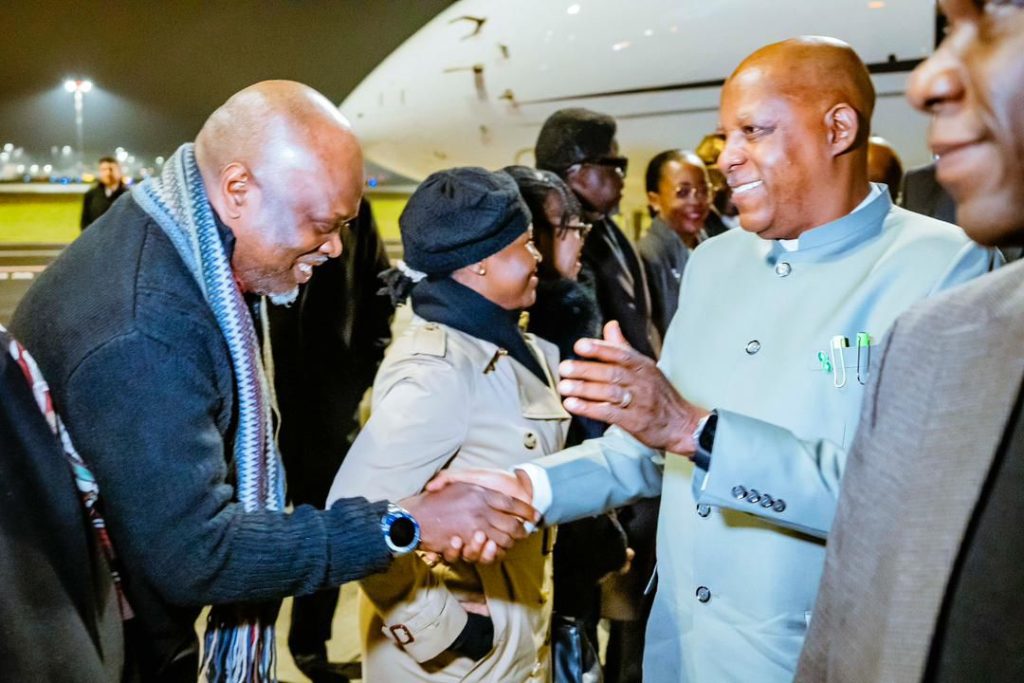
Nigeria House, inaugurated at the World Economic Forum with Vice President Kashim Shettima leading a high-level delegation, represents more than another pavilion or soft-power exercise. It is an assertion. A statement that Africa’s most populous nation is no longer content to be discussed in corridors, risk memos, or development panels — but insists on being engaged directly, commercially, and strategically.
For decades, Nigeria has been framed by a paradox: immense potential undermined by governance failures; a youthful, creative population constrained by fragile systems; and an economic giant forever described as “emerging.” The country has heard every compliment the world knows how to give — usually followed by caution, hesitation, or delay.
Davos has long been where those hesitations are politely disguised.
A New Posture: Transactional, Not Apologetic
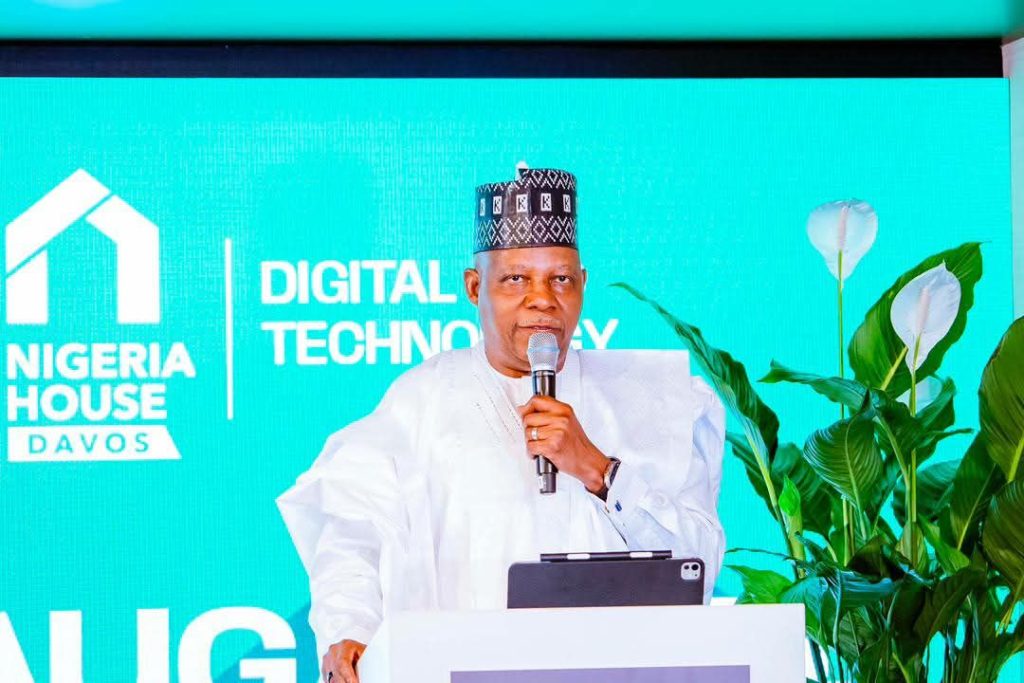
This year, Nigeria arrived with a different posture. The language coming out of Nigeria House was not aid-centric, nor apologetic. It was transactional. Reform-driven. Forward-looking. Discussions spanned agriculture and infrastructure to financial services, renewable energy, digital transformation, and Nigeria’s strategic role in the African Continental Free Trade Area.
This matters — because the global economic order is fracturing in real time.
Capital is retreating from old assumptions. Supply chains are being redrawn. Energy transitions are accelerating unevenly. Demographics are becoming destiny. In that context, Nigeria is not simply “Africa’s giant.” It is one of the few countries on earth whose population size, market depth, entrepreneurial density, and continental influence can materially shape the future global economy.
The End of “Potential”: Demanding Structural Proof
But scale alone no longer convinces anyone.
The era of “potential” is over. Investors are no longer interested in theoretical upside without structural proof. Global partners want predictability, enforcement, transparency, and execution — not just ambition.
The Execution Test: From Speeches to Timelines
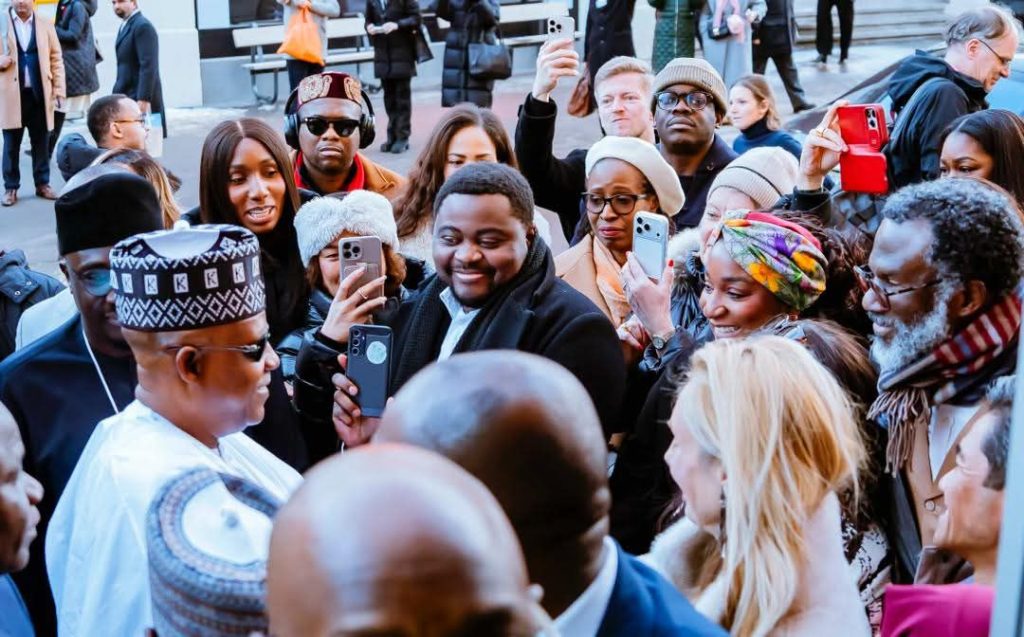
That is the real test Nigeria House represents.
Vice President Shettima spoke of structural reforms and an enabling environment for sustainable investment. Those words must now translate into outcomes that can be measured not in speeches, but in timelines: faster deal execution, clearer regulation, credible dispute resolution, currency stability, energy reliability, and institutional trust.
Davos does not reward hope. It rewards momentum.
Nigeria’s presence also forces a broader African reckoning. For too long, African engagement at global forums has been fragmented — multiple countries competing for attention rather than aligning around scale and leverage. Nigeria House, in its ambition and visibility, implicitly challenges other African economies to elevate how they show up on the world stage: not as petitioners, but as partners.
A Model for Credibility: The Lagos Example
Nigeria’s presence also forces a broader African reckoning. For too long, African engagement at global forums has been fragmented — multiple countries competing for attention rather than aligning around scale and leverage. Nigeria House, in its ambition and visibility, implicitly challenges other African economies to elevate how they show up on the world stage: not as petitioners, but as partners.
There are signs within Nigeria itself that this shift is possible. TIME Africa recently recognised Lagos State Governor Babajide Sanwo-Olu with a TIME Africa Special Recognition Award, highlighting Lagos as a beacon of sub-national leadership and tangible reform in governance, infrastructure, and investor activation — a reminder that delivery at home can become proof of credibility abroad. (See the full article: “Lagos at the Vanguard: Why Governor Babajide Sanwo-Olu Received the TIME Africa Special Recognition Award”
That is the currency the global marketplace respects: delivery backed by results.
Nigeria’s delegation included not only ministers and central bank officials, but private-sector leaders and cultural figures — a reminder that Nigeria’s influence is not confined to balance sheets. From technology to entertainment, Nigerian output shapes global culture. The world consumes it daily; it is only now beginning to seriously invest in the systems behind it.
The High Stakes of Symbolism
Yet symbolism cuts both ways.
If Nigeria House becomes just another well-curated pavilion with no follow-through, the damage will be more serious than silence. The world is watching to see whether commitments discussed in Davos survive contact with reality back home. Africans are watching to see whether global engagement delivers jobs, infrastructure, and opportunity — or merely headlines.
Nigeria’s leaders have chosen to place the country at the center of the global conversation. That choice carries responsibility.
Because the future will not be negotiated in conference halls alone. It will be decided in how countries deliver for their citizens, honour their agreements, and convert scale into shared prosperity.
Nigeria has come to Davos, declaring it is a gateway to continental opportunity. The door is open.
Now the world will see what walks through it.