

In a moment where geopolitical realignments and economic headwinds are reshaping global systems, the Milken Institute’s Middle East and Africa Summit—held last week in Abu Dhabi—stood out as one of the most consequential convenings for two regions whose futures are increasingly intertwined.
The summit underscored a simple but powerful truth: the Middle East and Africa are no longer peripheral to global growth—they are central to it. And institutions like the Milken Institute are helping define the next chapter of cross-regional partnership, capital mobilisation, and innovation.
A Platform Connecting Two High-Growth Regions
Unlike many global forums that observe Africa and the Middle East from a distance, Milken’s presence in the region signals a deeper commitment to fostering long-term collaboration. The institute has become a platform for policy dialogue, investment matchmaking, and the surfacing of new intellectual frameworks for development across both West Asia and the African continent.
Michael Lints, Managing Partner of Golden Gate Ventures MENA, captured this shift succinctly:
“The Milken Institute Middle East and Africa Summit highlights the important corridor between the African continent and the GCC. Not only investments but strategic partnerships between tech startups, venture capital funds, family offices, corporates and government institutions are shaping what cross-border collaborations will look like in the future. Africa offers substantial investment and expansion opportunities for countries like Qatar, and the broader GCC market can offer support on R&D, financing, M&A and distribution for Africa-based companies.”
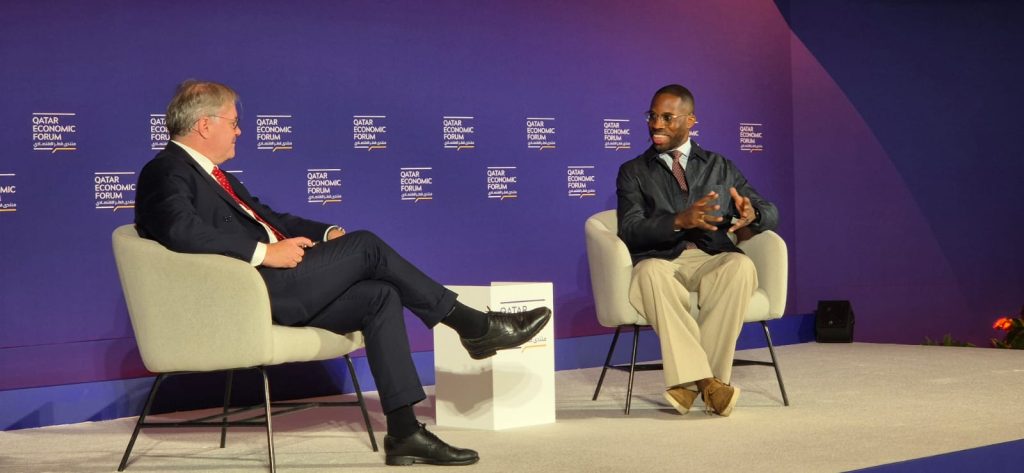
This corridor—stretching from Casablanca to Kigali, Riyadh to Doha, Lagos to Dubai—has deepened in recent years, propelled by demographic growth, fintech innovation, energy transitions, and the rise of sovereign wealth funds seeking long-term diversification. Milken’s convening function gives coherence to this momentum, enabling decision-makers to meet not in isolation but in dialogue.
Why the Middle East Matters for Africa, and Africa for the Middle East
The renewed relationship between the two regions is not transactional but strategic. The Gulf offers Africa capital depth, regulatory sophistication, and global distribution channels. Africa, in turn, offers scale, youth, and some of the world’s fastest-growing markets.
Roberta Calarese, founder and chairwoman of Ghaya and a central figure in the establishment of the Dubai International Financial Centre, framed the significance of institutions like Milken in this evolution:
“Institutions like the Milken Institute invest in the region’s capacity to mobilise capital, share knowledge and build the talent that modern financial markets require. That investment works here because centres such as the Dubai International Financial Centre and Abu Dhabi Global Market were built on deliberate policy choices — including the adoption of common law frameworks that give investors certainty, protection and confidence to deploy capital. This foundation has enabled the growth of trusted financial hubs in the Middle East. Summits such as Milken’s accelerate that momentum by convening decision-makers, strengthening networks and signalling to global investors that the region is now a platform for financial leadership and innovation.”
Calarese’s point is critical: Milken is not creating momentum; it is amplifying momentum built through decades of institutional engineering in the Gulf—from legal frameworks to education, capital markets, and governance.
Technology, Health, and Human Development at the Forefront
Among the standout voices was His Excellency Mansoor Ibrahim Al Mansoori, who emphasised the region’s commitment to health innovation, AI, and longevity research. His remarks crystallised how technology is shaping regional developmental priorities:
“I welcome every innovative idea or an AI solution that really can increase our productivity, improve our efficiency, revolutionize how we address and cure diseases, and accelerate drug discovery in order to increase the health lifespan of our population and the globe as well.”
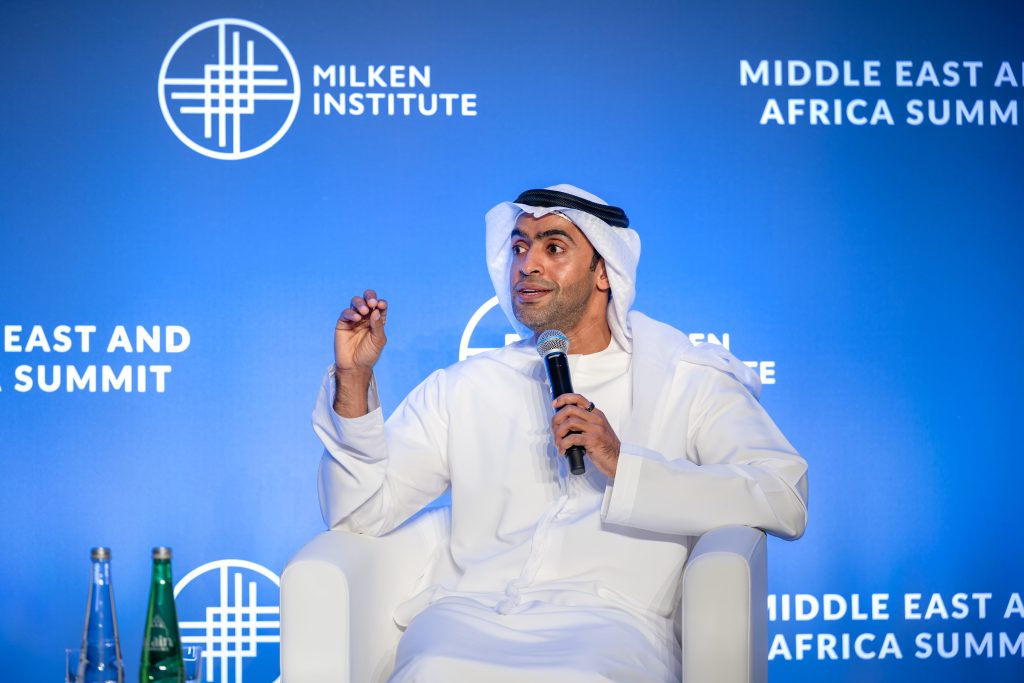
This vision aligns with global shifts: AI-driven diagnostics, precision medicine, biotechnology, and digital health are no longer siloed industries—they are national strategies. For Africa, which faces both infrastructure constraints and rapid innovation adoption, partnerships with Middle Eastern health ecosystems could redefine access and outcomes.
The Role of Media and Information Architecture
Another notable theme was the transformation of media and information consumption, captured by Jessica Sibley, CEO of TIME. In a world where audiences demand immediacy, authenticity, and multimedia engagement, traditional media models are being reconstructed at pace.
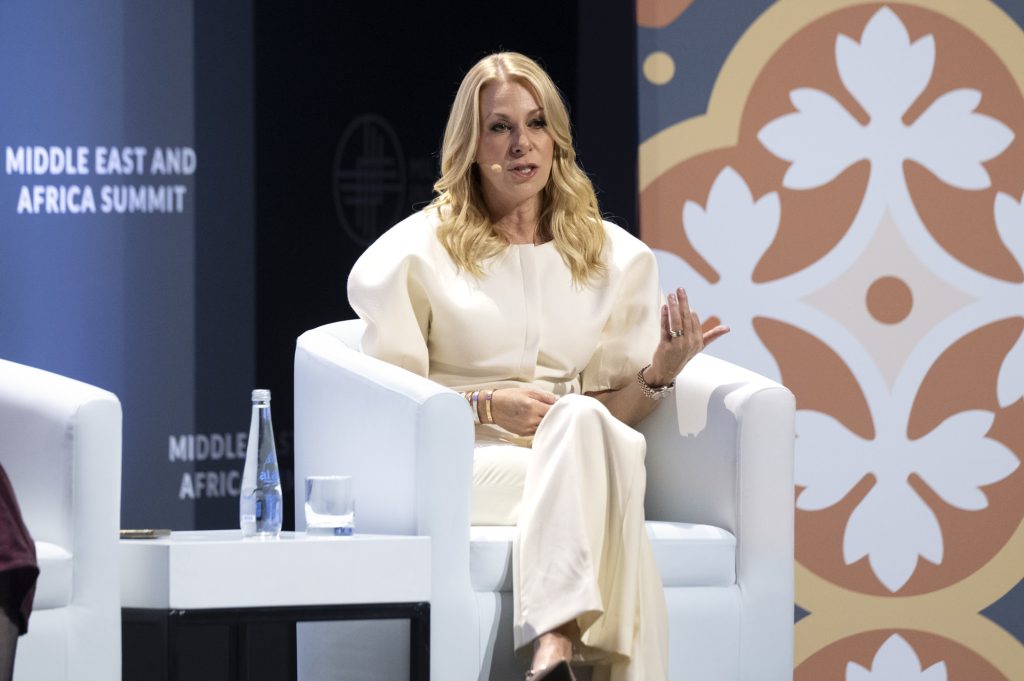
“Media is a really young business, and consumers, especially of the younger generations, expect us to deliver in formats and inform factors about how they want to experience information and experience content. It’s not just reading it.”
Her reflection speaks directly to the moment: emerging markets are mobile-first, video-first, and creator-driven. The Middle East and Africa are not merely consuming content—they are shaping global cultural output. Milken’s role in placing media leaders alongside policymakers and investors acknowledges that a functioning information ecosystem is as vital to development as capital or technology.
A Summit That Signals Intent
Ultimately, the Milken Institute Middle East and Africa Summit demonstrated that cross-regional cooperation is not aspirational but operational.
It convened leaders who are defining new economic corridors, spotlighted the policy frameworks enabling investment, acknowledged the demographic and technological forces reshaping both regions, and emphasised that partnership—not competition—is the most powerful tool of the next decade.
Africa and the Middle East share more than geography; they share an inflection point. Milken’s impact lies in recognising that the future of both regions will be built not through isolated national projects but through shared ambition and interconnected strategy.
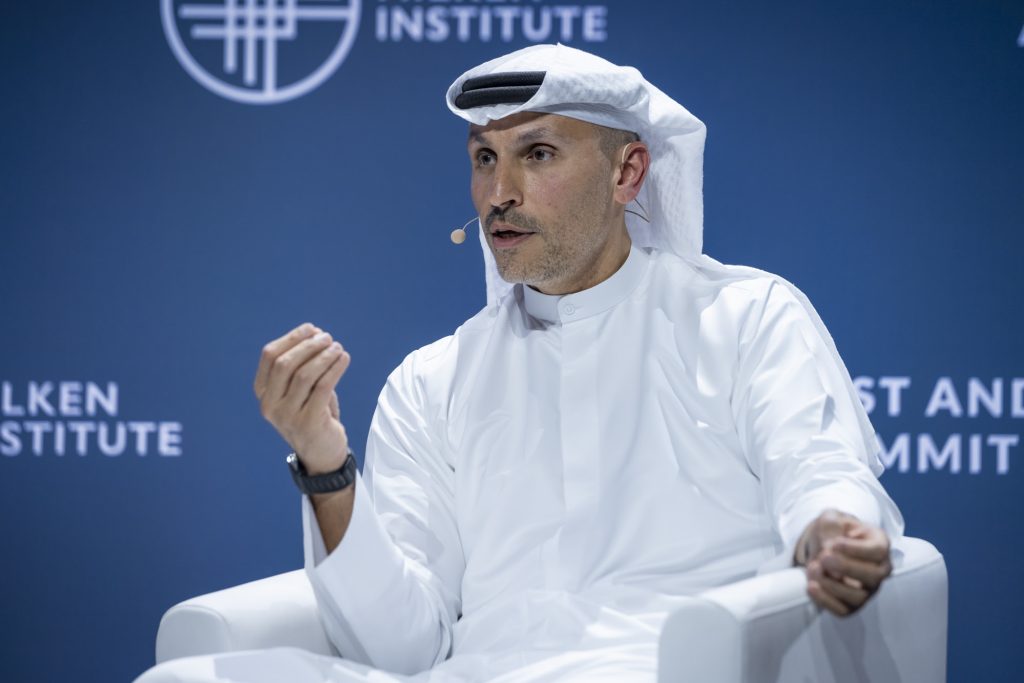
As West Asia diversifies, and Africa accelerates, the corridors of capital, talent, information, and innovation between them will become some of the most important in the world.
Milken has positioned itself as both convenor and catalyst—an institution helping to architect the next era of cross-regional prosperity.