
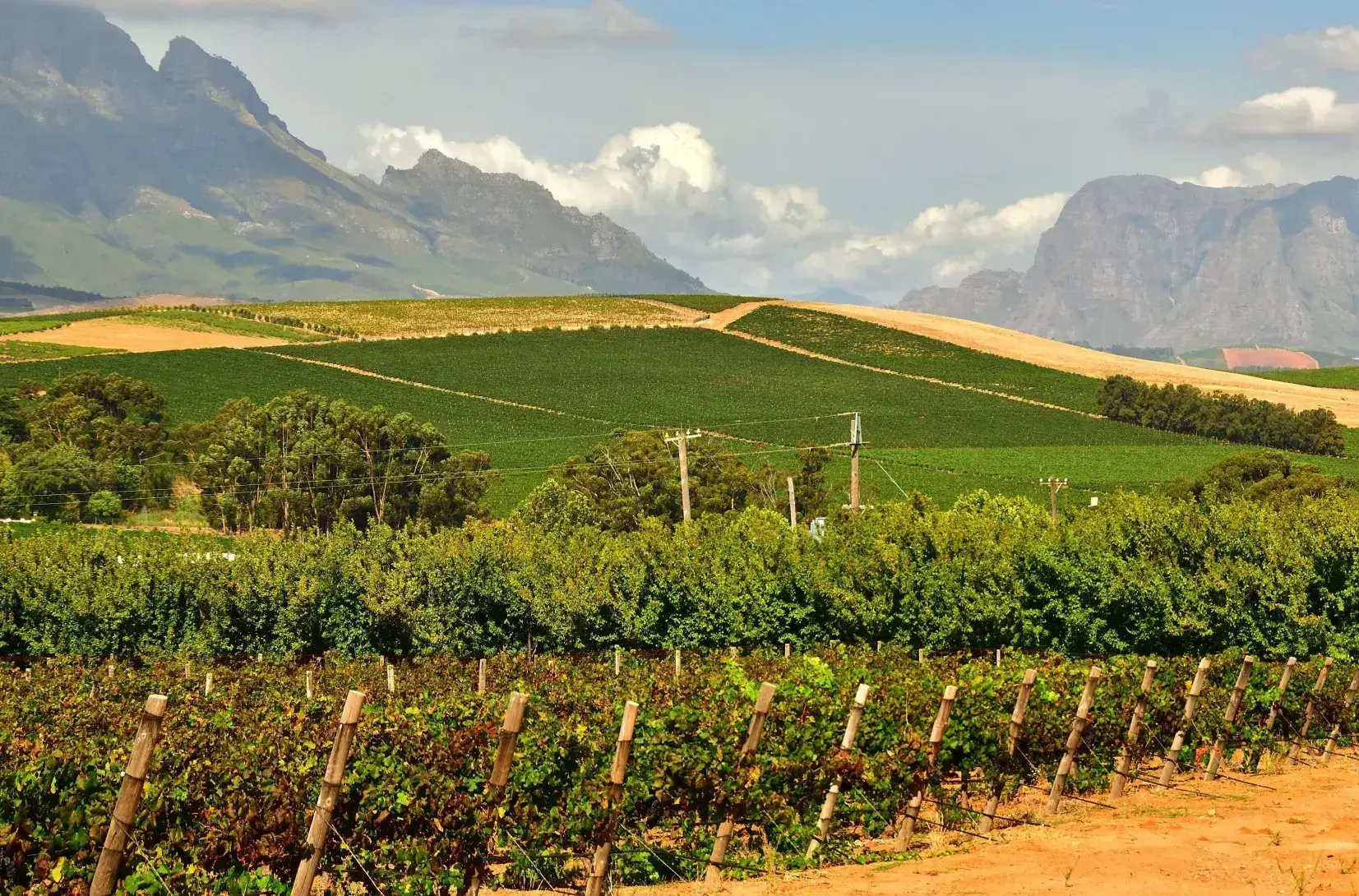
Wine has always been about movement.
It moves across borders, across generations, and across cultures, carrying stories of place, people, and possibility. In today’s world, where culture itself moves faster and more fluidly than ever, wine should not sit on the sidelines of that evolution. It should move with it.
Long before I founded IBest Wines, I understood that wine travels the way culture does. A bottle of wine is never just a product; it is an expression of place, of people, and of possibility.
The South African Spark: A New Narrative for Wine
For me, that journey led to South Africa.
I fell in love with the country years ago, its energy, its creative spirit, and its extraordinary wine culture. Stellenbosch, in particular, holds a depth and history that rivals any of the great wine regions in the world. And yet, for a long time, I felt that the global narrative around wine did not fully reflect what was happening there.
That realisation stayed with me.
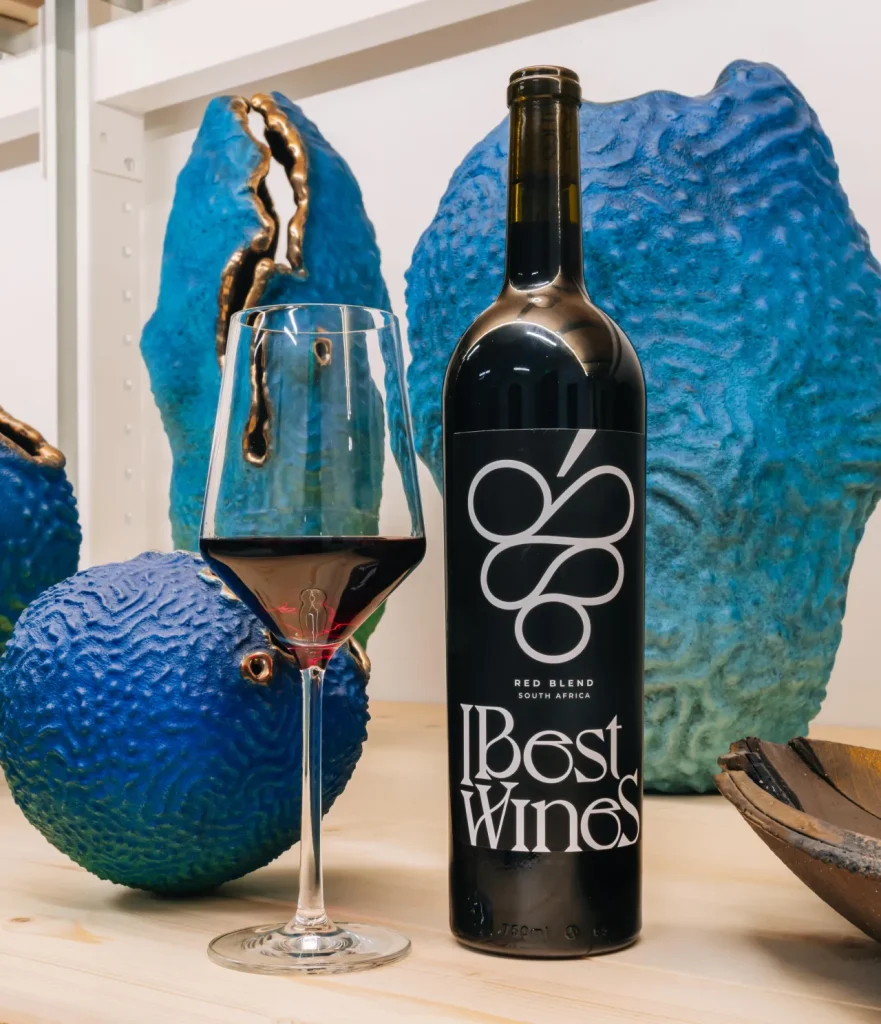
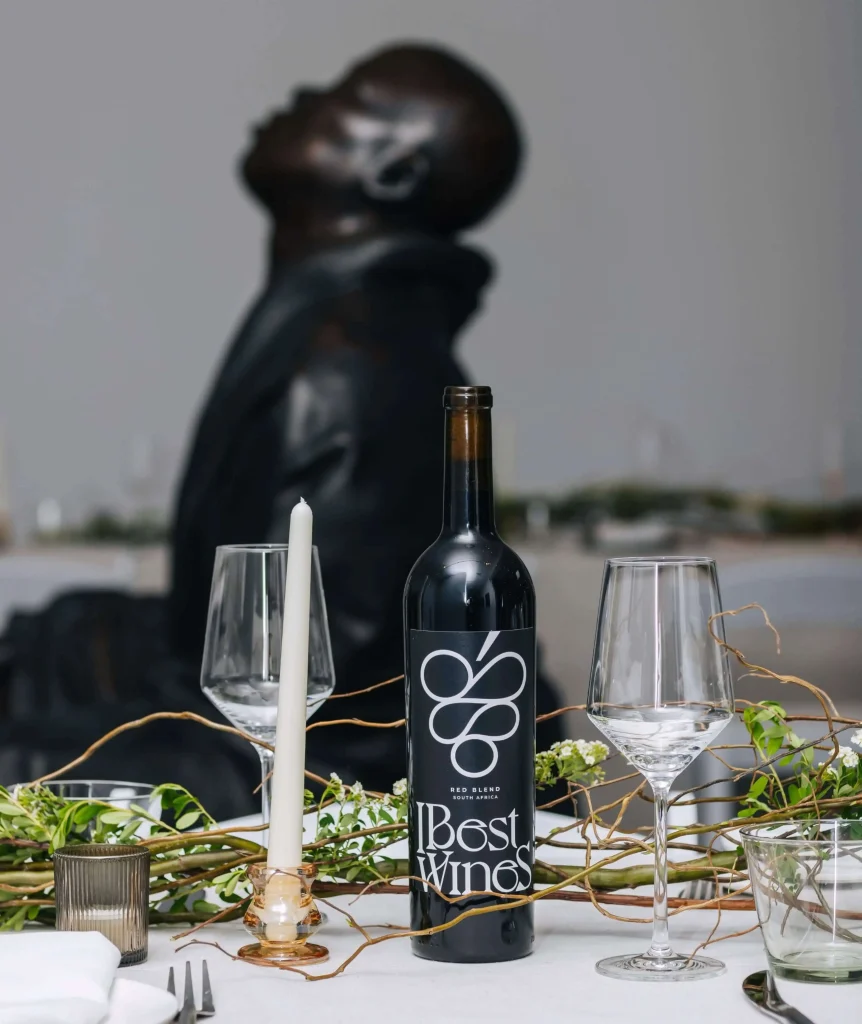
When I founded IBest Wines, it was not simply about creating another brand. It was about building a platform, one that sits at the intersection of wine, culture, art, and global exchange. A platform that could connect places, people, and perspectives in a way that felt both intentional and expansive.
As an Afro-Latina woman who has spent over two decades in the global wine and spirits industry, I have experienced firsthand how access and visibility shape outcomes. Who gets to participate, who gets to lead, and who gets to define value are questions that sit at the center of every industry, including wine.
For too long, the wine world has been defined by a narrow set of narratives. But that is changing.
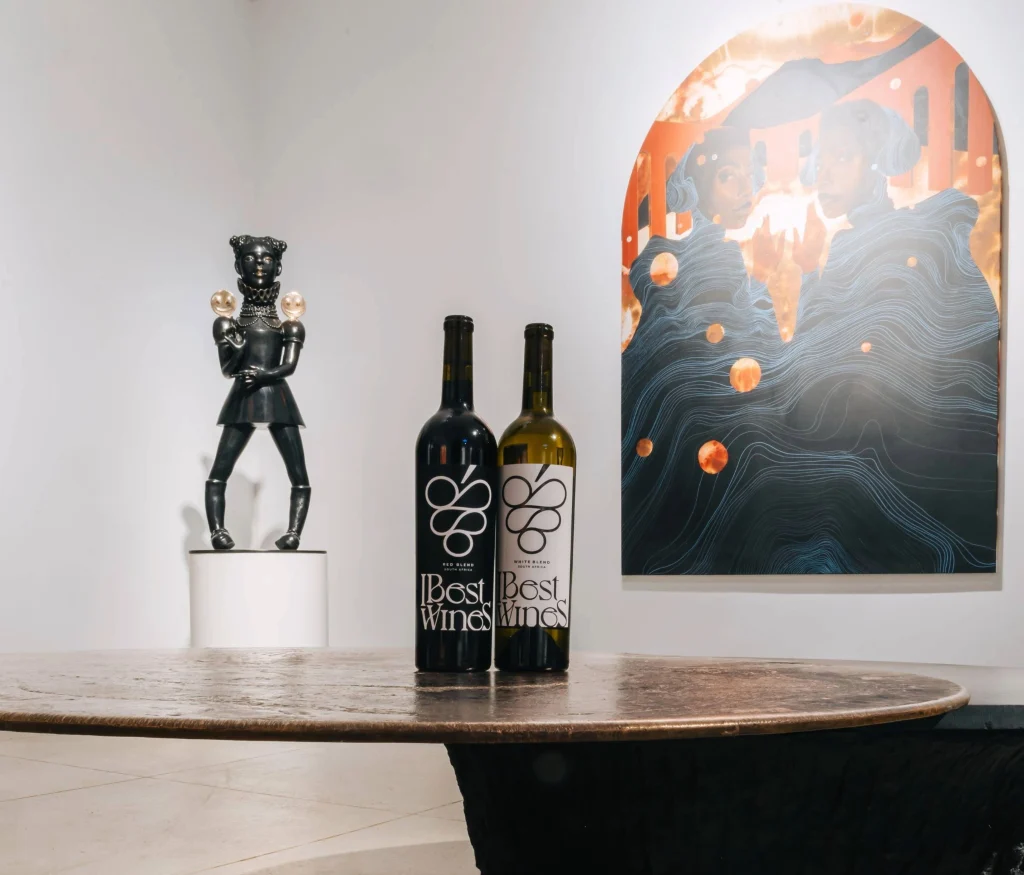
Africa’s Cultural Renaissance: Why Wine Must Evolve
We are entering a moment where influence is decentralized. Where culture is no longer dictated by a single region or tradition, but shaped by a global exchange of ideas. Music, fashion, and art have all evolved to reflect this shift.
Wine must evolve as well.
What excites me most right now is not just the quality of what is being produced, but the shift in perspective. There is a new generation of voices emerging, voices that understand both heritage and innovation, tradition and reinvention.
Africa is central to that shift.
Across music, fashion, art, and design, African creatives are not only participating in global culture; they are shaping it. The world is beginning to engage more deeply with what has always been present: a rich, dynamic, and forward-thinking creative ecosystem.
Wine should be part of that conversation.
South Africa already produces some of the most compelling wines in the world. The opportunity now is to expand how those wines are experienced, not only through traditional channels, but through culture itself.
Through collaboration.
Through storytelling.
Through community.
For me, this has meant thinking about wine not just as a product, but as a cultural connector. Whether it’s through collaborations and models that center artists as stakeholders, participation in cultural moments, or building relationships across industries, the goal has always been the same: to position wine within the broader rhythm of contemporary culture.
Because that is where it belongs.
The future of wine will not be defined solely by geography or legacy. It will be defined by how well it integrates into the way people live, create, and connect today.
It will be shaped by those who understand that culture is not static, it is constantly evolving.
And perhaps most importantly, it will be shaped by those willing to build differently.
A New Ownership: Redefining Value and Expanding Access
As someone whose identity sits at the intersection of cultures, I have always believed that there is power in perspective. The ability to move between worlds, to understand both where something comes from and where it can go, is what allows new ideas to take shape.
That is what I see happening now.
A new kind of global movement.
A new kind of authorship.
A new kind of ownership.
Shaping What Comes Next, One Connection at a Time
Not just in wine, but across industries.
And within that movement, there is an opportunity to redefine value, to expand access, and to ensure that the next generation sees themselves reflected in the spaces they aspire to enter.
For me, that is the work.
Not just building a brand, but contributing to a broader shift, one where culture, creativity, and commerce exist in conversation with one another, and where new narratives have the space to emerge.
Because in the end, wine, like culture, is about connection.
And the way we choose to shape those connections will define what comes next.