
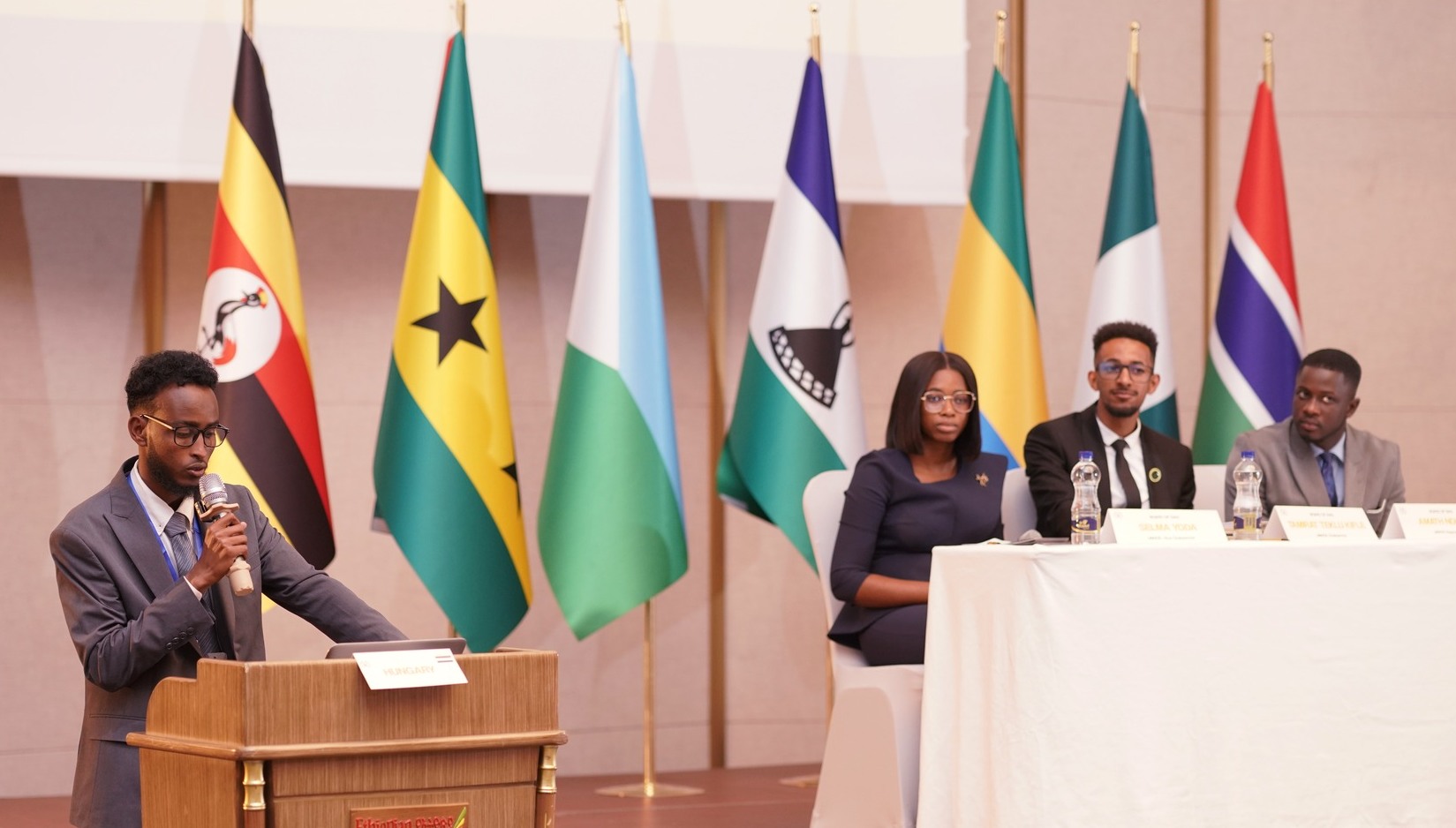
For years, Africa’s youth have been described as a demographic dividend, a rising generation full of promise, potential, and possibility. Yet potential, without power, remains unrealized.
Today, that reality is changing.
Resolution 2807: Why Youth Participation is a Strategy, Not Charity
In 2025, as Sierra Leone concluded its tenure on the United Nations Security Council (2024-2025), the global conversation on Youth, Peace and Security reached a defining moment. A decade after the adoption of UN Security Council Resolution 2250, the first resolution to formally recognize the role of young people in peacebuilding, the agenda had matured. It was no longer about symbolic inclusion. It was about structural transformation.
As Sierra Leone co-penheld Resolution 2807 on Youth, Peace and Security, alongside Guyana, the message was clear: youth participation in peace processes is not charity. It is a strategy.
Resolution 2807 goes beyond affirmation. It calls on all relevant actors to consider ways to increase the full, effective, safe, and meaningful participation and leadership of youth in peace processes, conflict prevention, peacebuilding, recovery, and reconstruction at all levels, including, where appropriate, through the Peacebuilding Commission. It further decides to continue consideration of the Youth, Peace and Security agenda in the ongoing work of the Security Council, including through open debates on the Secretary-General’s reports submitted pursuant to Resolution 2535 (2020), and explicitly encourages and supports the safe participation of youth briefers in Council engagements.
This matters because it shifts youth participation from aspiration to obligation. It institutionalizes presence. It protects the voice. It embeds continuity.
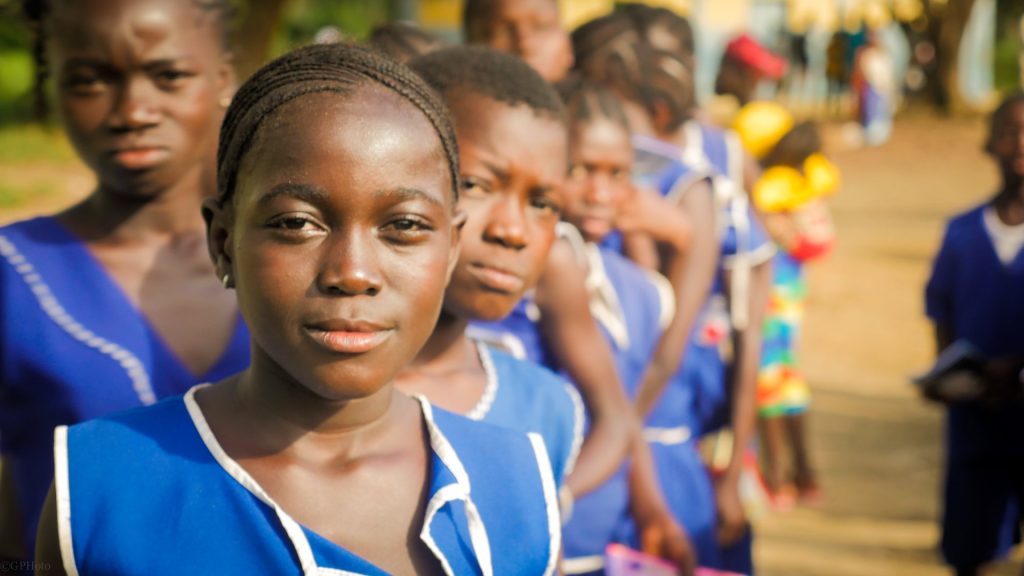
This evolution reflects a broader continental shift. According to the United Nations, by 2030, nearly 42 percent of the world’s youth population will be African. That statistic alone reframes the global balance of influence. Africa’s demographic reality is not a footnote in global governance; it is a central variable.
During Sierra Leone’s Security Council tenure (2024-2025), under the leadership of His Excellency President Julius Maada Bio and the strategic diplomacy of Ambassador Michael Imran Kanu, our engagement went beyond procedural participation. Sierra Leone championed substantive reforms, not only advancing the Youth, Peace and Security agenda, but also amplifying Africa’s long-standing call for equitable representation, including the case for a permanent African seat on the Security Council.
The two conversations are linked. A system that excludes a continent from permanent representation cannot fully claim legitimacy. And a system that overlooks its largest youth population cannot claim sustainability.
I experienced this tension personally in a quiet moment late one evening at the United Nations Headquarters in New York. We were refining language for the draft resolution, negotiating single words that would determine whether youth participation was framed as “encouraged” or “institutionalized.” In that room, I understood something fundamental: power often hides in precision. The difference between rhetoric and reality can hinge on a single verb. Representation may secure a seat at the table, but influence is secured through sustained negotiation and intellectual clarity.
Africa cannot afford to confuse presence with power.
United Nations Economic and Social Council
As Sierra Leone transitions from its Security Council tenure to its newly elected role on the United Nations Economic and Social Council for 2026–2028, the work deepens. Peace and security cannot be isolated from economic justice, social inclusion, and sustainable development. Serving as Youth Representative in this new chapter requires expanding the lens, ensuring that youth participation is embedded not only in security deliberations but also in global economic governance, digital transformation, education reform, and development financing.
The Economic and Social Council is where policy frameworks translate into development priorities. It is where global commitments on education, employment, innovation, and social protection are debated and shaped. If Africa’s youth are to move from representation to power, we must influence these economic and social architectures as deliberately as we influence peacebuilding frameworks.
The Youth, Peace and Security agenda offers a blueprint, but blueprints alone do not build nations. Implementation does.
In Sierra Leone, a country that emerged from civil war just two decades ago, the role of youth in sustaining peace is not theoretical. It is lived history. Post-conflict recovery taught us that exclusion breeds instability, while participation fosters ownership. That lesson continues to shape our national approach to governance.
The next frontier is institutionalization.
Youth councils, advisory boards, and policy consultations are important, but they must evolve into structured decision-making mechanisms embedded within ministries, national action plans, and budgetary frameworks. Peacebuilding must move beyond conferences and into line items. Youth inclusion must be measured not by attendance, but by authority.
Across the continent, there are promising signs. The African Union’s expanding youth engagement structures, the proliferation of national youth envoys, and the strengthening of youth advisory mechanisms reflect growing awareness that governance must be intergenerational. But coordination remains fragmented, and implementation uneven.
The future of Africa’s governance architecture depends on three critical shifts.
First, youth inclusion must be treated as core infrastructure, not peripheral programming. Ministries of Youth Affairs cannot operate as symbolic departments. They must function as strategic hubs integrating economic empowerment, digital transformation, civic participation, and peacebuilding into national development plans.
Second, political leadership must intentionally mentor and transfer responsibility. Intergenerational governance is not about replacing one cohort with another; it is about co-creation. The most stable societies are those where wisdom and innovation coexist, where experience guides energy, and continuity strengthens change.
Third, private sector and development partners must align investments with long-term youth agency, not short-term visibility. Entrepreneurship programs, digital skills initiatives, and leadership fellowships must connect to policy ecosystems. Economic empowerment without political voice leaves structural gaps.
Africa stands at a strategic crossroads. The continent is asserting itself more confidently in global diplomacy, trade negotiations, and climate governance. Its call for a permanent seat on the Security Council is not symbolic; it is a demand for structural fairness rooted in demographic and geopolitical reality.
But representation at the global level must mirror reform at home.
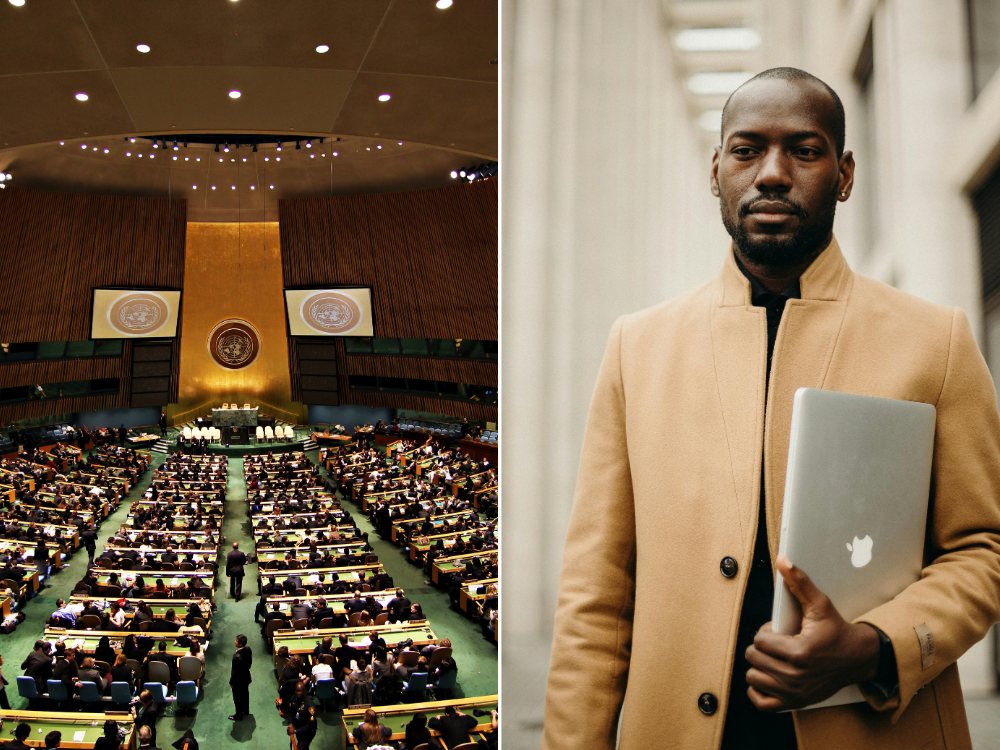
The Next Frontier: Moving Beyond the “Seat at the Table”
Representation opened the door. Power must now enter the room.
This is not a generational rebellion. It is a generational recalibration, a recognition that sustainable peace, inclusive growth, and institutional legitimacy require those who will live longest with their consequences to help design their architecture.
The future will not be inherited.
It will be negotiated, across chambers of security and councils of development, deliberately, structurally, and unapologetically, by a generation prepared not merely to be seen, but to govern.
By Isaac Sheku Bayoh
Youth Representative of The Republic of Sierra Leone to the United Nations and Lead Youth, Peace and Security Expert at the Permanent Mission of Sierra Leone to the United Nations