
Africa and the Caribbean know, perhaps better than any other regions in the world, what happens when power decides that law is optional.
From slavery to colonial rule, from imposed governments to economic strangulation dressed up as “sanctions,” our shared history has been shaped by external actors claiming moral authority while denying us sovereignty. That history is not distant. It is alive in our institutions, our economies, and our collective memory.
It is from this shared experience that Africa and the Caribbean must speak clearly today.
Recent actions by the United States under Donald Trump raise serious concerns under international law. Yet, predictably, these concerns are being met not with rigorous scrutiny, but with silence—or selective justification—across much of the global media landscape.
That silence is unacceptable.
Law Cannot Belong Only to the Powerful
International law cannot function as a tool reserved for disciplining weaker states while exempting powerful ones. When legality is applied selectively, it ceases to be law and becomes leverage.
Africa and the Caribbean have lived under this system for generations. We have seen interventions framed as “stability,” sanctions justified as “pressure,” and political interference repackaged as “democracy promotion”—often with devastating consequences for ordinary people.
If actions taken by Global South nations would be condemned as illegal or destabilising, then the same standards must apply to Washington, London, Paris, or any capital that claims leadership of the international order.
Anything less is not rules-based governance. It is hierarchy.
Venezuela, the Caribbean, and the African Diaspora
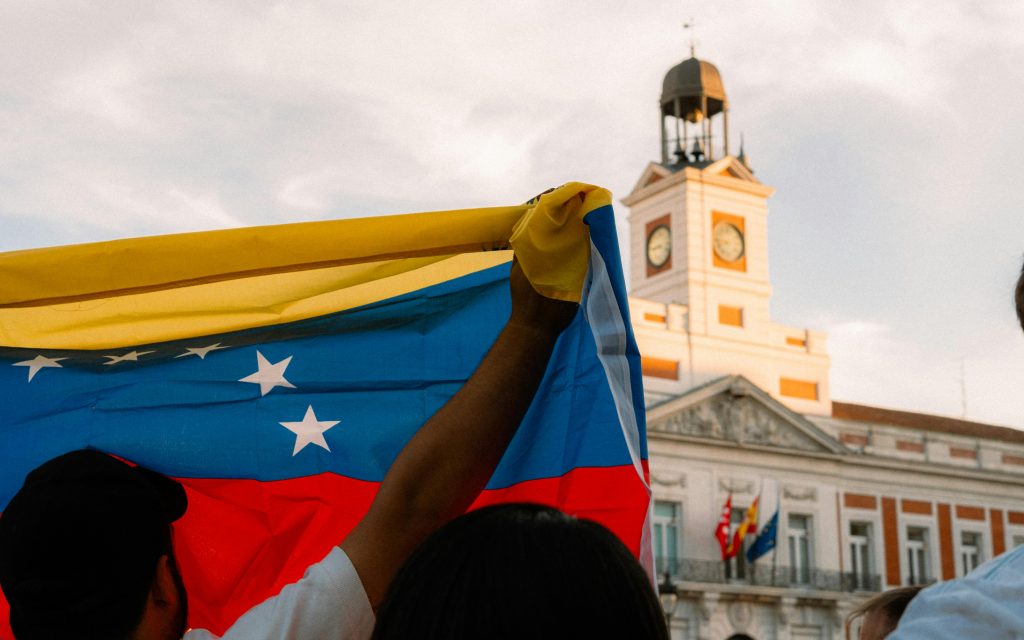
Venezuela’s relationship with Africa and the Caribbean is not abstract—it is social, cultural, and deeply human.
Across the Caribbean and Latin America, millions of people of African descent trace their heritage to the same forced migrations that shaped Jamaica, Haiti, Barbados, Trinidad, Cuba, and beyond. Venezuela is part of this Atlantic reality. Afro-Venezuelan communities, Caribbean migrants, and African descendants are woven into its national fabric.
For decades, Venezuela has engaged in South-South solidarity, supported Caribbean nations, and stood with African causes in global forums—often when doing so came at political or economic cost.
To discuss Venezuela solely through Western geopolitical narratives is to erase these connections and deny Africa and the Caribbean the right to interpret global affairs through our own historical lens.
On Elections, Sovereignty, and Memory
Africa and the Caribbean reject the idea that democracy is valid only when it produces outcomes acceptable to external powers.
Our regions have endured too many moments where elections were recognised or dismissed not on the basis of process or popular will, but on alignment with foreign interests. We know how destabilising—and dangerous—that precedent is.
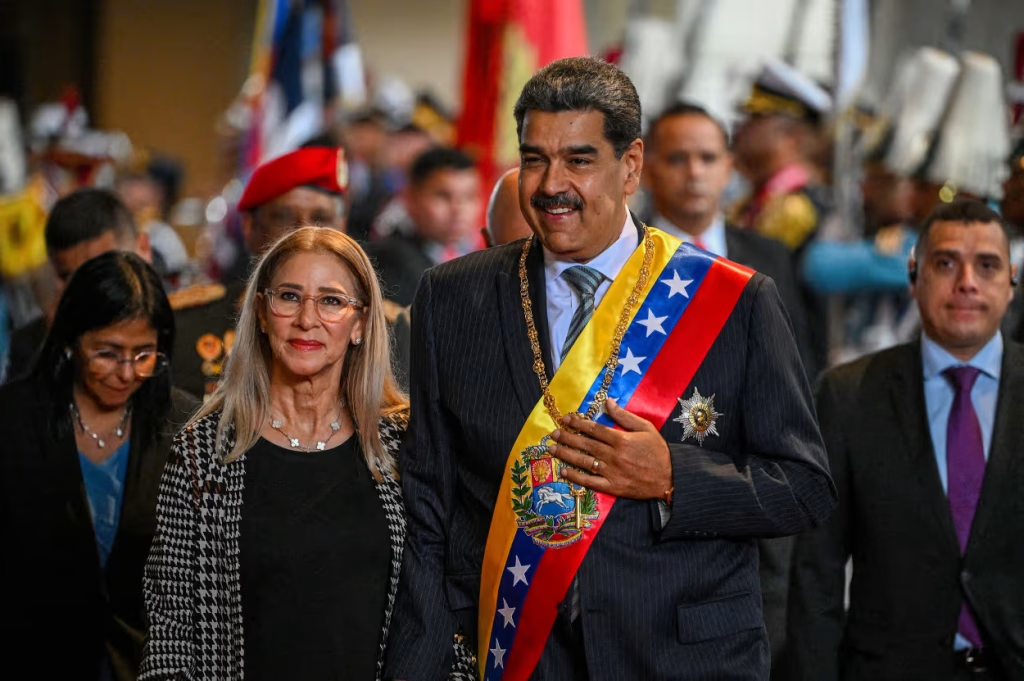
Whether one agrees with Nicolás Maduro is not the central issue. The issue is sovereignty. The right of a people to choose their leadership without coercion, intimidation, or external veto must remain inviolable.
Anything else reopens wounds that Africa and the Caribbean have spent generations trying to heal.
Why Media Must Speak Now
Media institutions across Africa and the Caribbean do not exist to sanitise power. They exist to interrogate it.
Neutrality in the face of injustice is not balance—it is abdication. Silence, when legality and sovereignty are at stake, is not prudence. It is permission.
TIME Africa was founded to reflect African realities within a global context—but those realities are inseparable from the Caribbean, from the wider African diaspora, and from the Global South’s shared struggle for dignity and self-determination.
A Shared Voice in a Multipolar World
The world is changing. Power is no longer unipolar, and neither should moral authority be.
Africa and the Caribbean are no longer passive observers of global affairs. We are participants—shaping culture, economics, politics, and ideas across continents.
If international law is to retain legitimacy, it must apply to all nations equally. If democracy is to be defended, it must include the right to choose—without fear.
Africa and the Caribbean will not be silent.
We have seen this story before.
And we refuse to relive it quietly.