

Africa is entering a decisive chapter in its long arc toward economic self-determination. As the world’s youngest and fastest-growing population—home to 1.55 billion people and nearly 19% of humanity—the continent has the potential to reshape global markets, cultural trends, and geopolitical dynamics. Its population is expected to more than double by 2070, creating both urgency and opportunity: a vast youth cohort seeking employment, education, dignity, and meaningful participation in the global economy.
And yet, despite this demographic advantage and its vast reserves of critical minerals, Africa contributes only 3.5% of global GDP (or 5.3% including North Africa). The gap between Africa’s potential and its realized economic power is not a mystery. It stems from a deep, structural failure in global finance: a systemic mispricing of African risk, reinforced by outdated economic narratives, cognitive biases, and inflexible financial architectures.
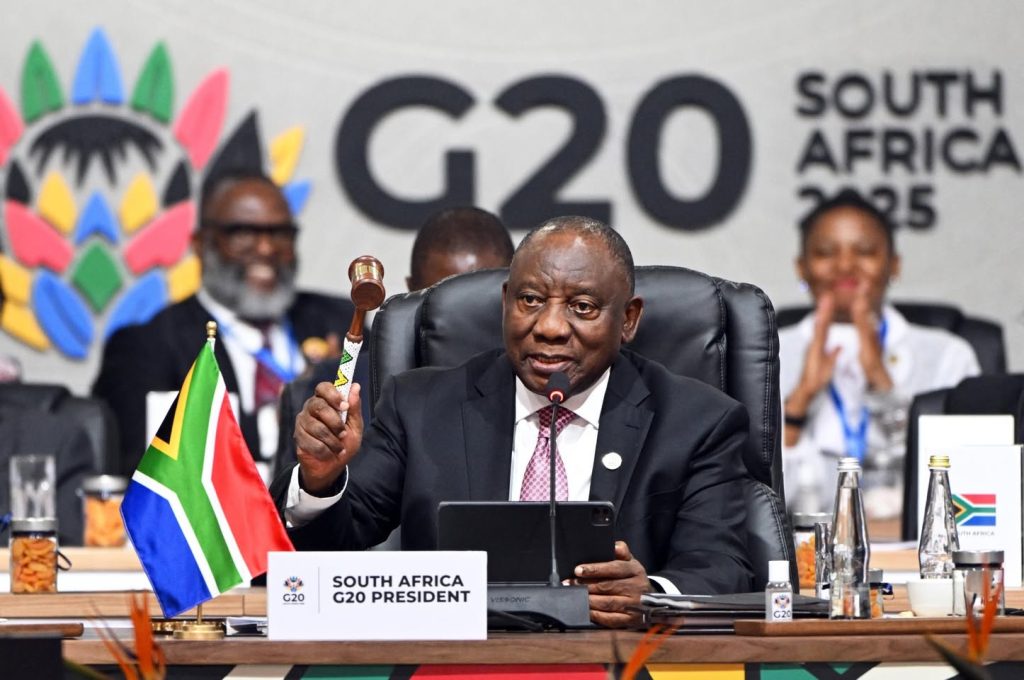
This year’s G20 South Africa 2025, the first formal G20 Summit ever held on African soil, brought these issues into sharp focus. For the first time, the world’s largest economies gathered on the continent to examine the unfair cost of capital, the inefficiencies that block domestic investment, and the reforms needed to support Africa’s trajectory toward a more prosperous, equitable future.
At Resilience Capital Ventures (RCV), we contribute to this agenda through an approach that places human dignity, systems change, and community-centred design at the heart of finance. Our method—the Triple B Framework—is rooted in decades of global capital markets experience and the lived realities of emerging markets. It rejects the idea that Africa must fit into outdated models of global finance and instead proposes that finance must adapt to serve African aspirations.
The Prejudice Premium: Why Africa Pays More for Capital
Africa’s economic underperformance is not due to a lack of opportunities, innovation, or ambition. It is due to distorted perceptions of risk that artificially inflate the cost of borrowing for both sovereigns and private enterprises.
As finance expert Misheck Mutize argues, Africa suffers from a “prejudice premium”—a price tag placed on capital that reflects outdated stereotypes rather than real economic fundamentals. The G20 Africa Expert Panel’s Growth, Debt and Development report corroborates this view, showing how:
- Global credit rating agencies consistently undervalue African assets
- Risk assessments are shaped by legacy narratives
- Methodologies ignore the political economy of development
- African DFIs are undermined by attacks on their preferred-creditor status
These distortions create a cascade of negative consequences. African governments face elevated borrowing costs. Investors shy away not because opportunities are lacking, but because the pricing signals suggest they should. Businesses are denied fair access to capital. A continent with the potential to drive green energy, manufacturing, technology, agriculture, and creative sectors remains trapped in a cycle of underinvestment.
The issue is not the absence of capital. The issue is capital that is trapped—misunderstood, mispriced, and misallocated.
Centering Dignity: A New Compass for African Finance
Traditional finance is built on allocative logic that treats people and communities as variables to optimize rather than as agents with inherent dignity. Racialized capitalism compounds this by embedding extraction, inequality, and hierarchy into economic decision-making.
If Africa is to escape the gravitational pull of this system, it must redesign finance from first principles.
Our approach draws inspiration from intellectual traditions that center on human dignity, mutuality, and community agency. Inspired by the work of Howard Richards and Gavin Andersson and spearheaded by Kate Philip and her team, it is a success story of non-conventional economics at work. The Presidential Employment Stimulus (PES) is one of the continent’s most successful examples of non-conventional economic programming.
African cosmologies offer additional guidance. They emphasize interdependence, shared purpose, and holistic well-being. They remind us that economic design cannot be separated from identity, culture, or relationality.
It is this worldview that informs the Triple B Framework (TBF)—a systems-change approach designed to unlock trapped capital across structural, cognitive, and financial dimensions.
The Triple B Framework: A Blueprint for Transformation
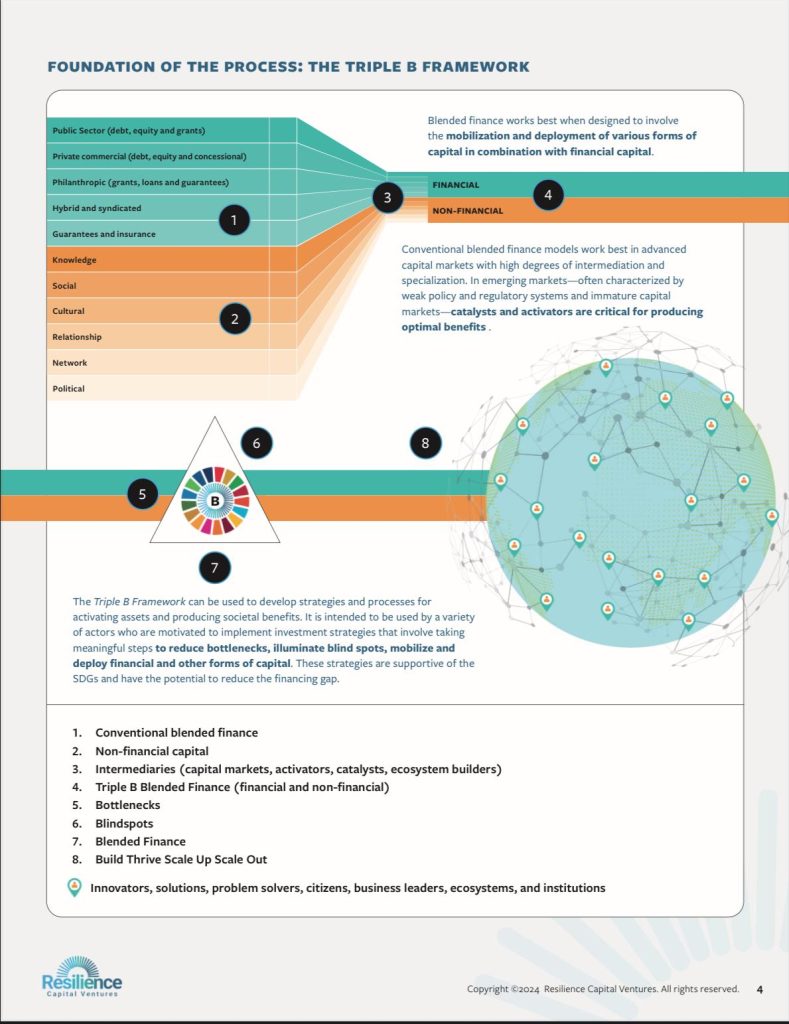
The Triple B Framework consists of three components:
1. Bottlenecks
These are structural, institutional, and process barriers that slow or prevent the mobilization of capital. They include restrictive regulations, inadequate technical capability, rigid investment mandates, and outdated policy frameworks.
2. Blind Spots
These are cognitive bottlenecks—misconceptions, implicit biases, and inherited assumptions that distort decision-making. They arise from groupthink, elitism, and the dominance of Western financial epistemologies.
3. Blended Finance
This involves the strategic use of financial capital alongside non-financial capital—encompassing cultural, social, political, relational, and knowledge-based assets—to create a transformative impact. It requires coordinated design, shared incentives, and long-term collaboration.
Together, these pillars form a practical roadmap for unlocking trapped capital and aligning finance with Africa’s development priorities.

I. Reducing Structural and Process Bottlenecks
Africa’s Domestic Capital: A Sleeping Giant
African pension funds, insurance companies, and sovereign wealth funds hold more than USD 2.1 trillion in assets. Yet much of this wealth remains underutilized. Regulatory constraints and outdated risk frameworks require asset owners to place as much as 80% of their capital in government treasuries, even when infrastructure, renewable energy, water systems, and agricultural value chains urgently need investment.
Unlocking this potential requires:
A. Strengthening Local Financial Ecosystems
Africa needs a deeper pool of professionals capable of structuring transactions, designing risk frameworks, and executing complex multi-party deals. Firms such as Autonomi Capital (in infrastructure) and Zariro Consulting (in agricultural value chains) represent the next generation of African expertise.
B. Policy and Legislative Modernization
Ghana offers a promising example: by extending pension and insurance coverage beyond formally employed workers, it is fortifying domestic pools of long-term capital and widening the base of contributors.
C. High-Finance Approaches to Remittances
Working-class migrants generate nearly a billion dollars annually in remittance flows. Yet these funds do not receive the same tax or regulatory treatment as institutional capital. With modern structuring tools, remittances could be securitized, pooled, and transformed into powerful domestic investment vehicles.
These interventions are not theoretical. They are already taking shape—and they have the potential to reshape Africa’s financial landscape from within.
II. Illuminating Cognitive Bottlenecks
Finance and investment remain among the world’s most elite and insular professions. They are shaped by deeply entrenched cultural norms, narrow training, and a global hierarchy that codes leadership as Western, white, and male.
This cognitive lock-in manifests in several ways:
- Economics is taught as an echo chamber, emphasizing Eurocentric models while excluding interdisciplinary insights.
- Professionals are socialized into valuing individualism, materialism, and aggressive competition.
- Recruitment processes reinforce homogeneity and suppress diverse thinking.
- Technical training prioritizes financial returns at the expense of political economy and systems understanding.
This mindset constrains innovation and leads to the mispricing of African opportunities.
Unlocking cognitive bottlenecks requires:
Cognitive Justice
As articulated by Shiv Visvanathan, cognitive justice recognizes that multiple knowledge systems—indigenous, feminist, Global South, and community-based—are equally valid.
Consciousness + Competence Training
Dr. Anne Makena of Research Alpha advocates for training the “tip of the spear”—the 2% of Africans with the capacity and commitment to steer transformation for billions.
Cultural Fluency
Reshaping finance demands a broader intellectual palette. The revolutionary insight of Steve Biko, the lyrical fire of Miriam Makeba, and the imagination of Langston Hughes have as much to offer as any econometric model.
Diversity as an Asset, Not a Liability
The NAIC’s 2025 private equity performance study confirms that funds led by diverse teams consistently outperform those led by homogeneous teams. Investors who ignore this do not defend merit—they undermine returns.
Cognitive justice is not ancillary to finance; it is central to creating high-performing investment systems.
III. Reducing Misalignment Across the Capital Stack
The Triple B Framework also engages deeply with the technical architecture of finance.
A. Blended Finance as Systems Change
RCV’s model uses “learning-by-doing” investment to simultaneously build institutional capability and deliver development impact. We bring together grantmakers, DFIs, asset owners, and sovereigns through joint teams that:
- prototype innovative financial instruments
- sequence catalytic capital
- Apply fair formulae to price risk,
- apply contextual expertise
- align incentives across the investment lifecycle.
Our flagship Bahamas Sustainable Investment Program, supported by the Open Society Foundations, has become a model of transformational blended finance in action.
B. Critical Minerals and Strategic Ownership
Africa’s mineral wealth is central to the global energy transition. But without strategic ownership, the continent risks remaining a supplier of raw materials for other nations’ industrialization.
RCV collaborates with Pangaea Securities, fund manager of The Critical Minerals Fund. The approaches developed can be used in countries such as Botswana, Zambia, Zimbabwe, and South Africa in:
- building value chains
- designing investment structures
- fighting extractive, low-value contracts
- strengthening governance and ownership
C. Fixing the Missing Middle
Africa faces a USD 194 billion early-stage and growth-stage funding gap. Banks remain risk-averse and collateral-heavy. Angel investment networks are thin. VC firms often chase Silicon Valley replicas rather than African priorities.
But the landscape is shifting.
African-led funds such as:
- Aruwa Capital
- Aletheia Capital
- Baobab Ventures
are proving that it is possible to deliver high returns and high impact.
Ecosystem builders—including ABAN, AVPA, AVCA, PACCI, GVCA, EAVCA, SAVCA, and Impact Investing Ghana—are strengthening capital intermediation and enabling more resilient investing environments.
The Morgan Stanley Institute for Sustainable Investing confirms that sustainable funds now outperform traditional ones—a validation of the long-held view that intentionality, strong governance, and ecosystem building enhance value creation.
A Gender-Just Future for African Finance
The year 2025 marks the 30th anniversary of the Beijing World Conference on Women. Its principles resonated strongly at the G20 South Africa 2025, where gender justice was positioned as a central pillar of economic policymaking.
Standard Bank Senior Executive Lindeka Dzedze and other gender champions ensured that:
- women’s leadership
- gender mainstreaming
- GBV prevention
- social protection frameworks
remain core to Africa’s development agenda.
South Africa’s Presidency has embraced this direction, embedding women’s economic empowerment into its G20 commitments. Gender justice is not an add-on; it is an indispensable component of fair and effective capital allocation.
Conclusion: Africa’s Century Depends on Unlocking Trapped Capital
As G20 South Africa 2025 concludes, a clear message emerges: unlocking trapped capital is a central challenge—and opportunity—for Africa’s economic future.
The Triple B Framework offers a blueprint for:
- reducing systemic bottlenecks
- addressing cognitive blind spots
- redesigning financial systems
- integrating diverse knowledge systems
- applying blended finance at scale
- and aligning investment with human dignity
This is not theoretical work. Across the continent and the diaspora, Africans are already demonstrating what is possible—in critical minerals, infrastructure, agricultural value chains, venture ecosystems, and blended-finance innovation.
The world is becoming more African every day.
Now global finance must evolve to reflect this reality.
Unlocking trapped capital is not optional. It is the defining economic project of Africa’s century.
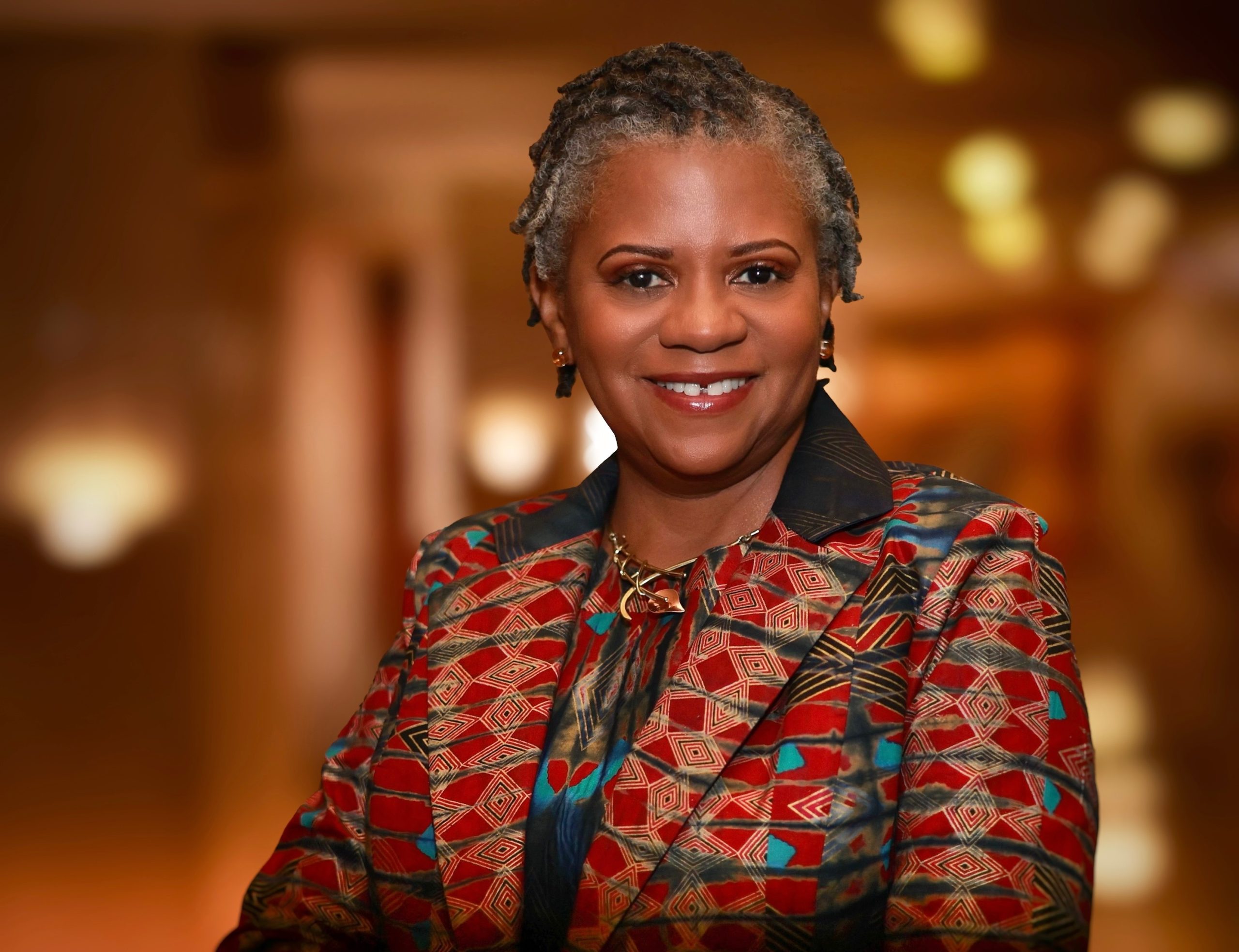
Dr. Gillian Marcelle, Chief Executive Officer, leads Resilience Capital Ventures; she has a proven track record in attracting investment and focuses on telecoms, fintech, renewable energy, regenerative agriculture and nature based financing. She has designed architectures that raise capital and facilitate partnerships. In August 2024, she earned recognition as part of the Forbes Fifty Over Fifty | Investment.