

At CANEX WKND 2026, Afreximbank brought together Africa’s creatives, investors and policymakers to examine how the continent can turn its cultural influence into lasting economic value. Beyond the performances and exhibitions, the discussions centred on what it will take for African creators and businesses to finance, own and benefit from the industries built around their work.
The building was made for a celebration. When the National Theatre rose in Iganmu, Lagos, it was built to host FESTAC ’77, the festival that brought artists, writers and musicians from across Africa and its diaspora. For a few weeks, the Black world looked at itself and liked what it saw.
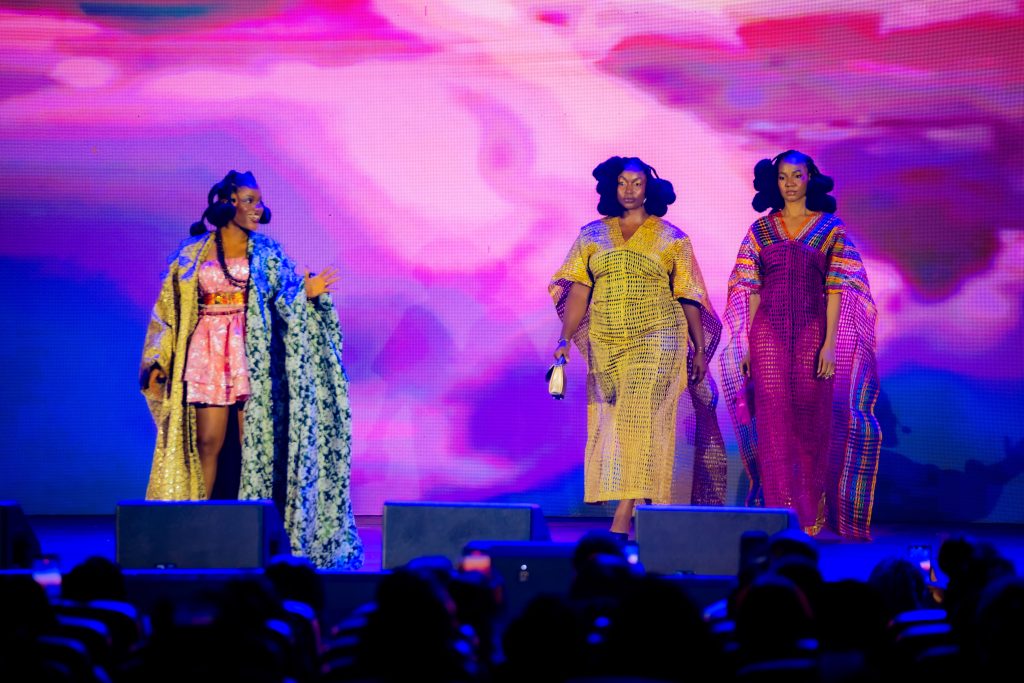
Nearly fifty years later, the building, now the Wole Soyinka Centre for Culture and Creative Arts, hosted CANEX WKND 2026 from 5 to 8 November. Organised by the African Export-Import Bank (Afreximbank), the gathering brought together creatives, investors, policymakers and business leaders across music, film, fashion, publishing and other industries. Alongside performances and exhibitions were deal rooms and discussions about how creative work can generate more value for the continent.
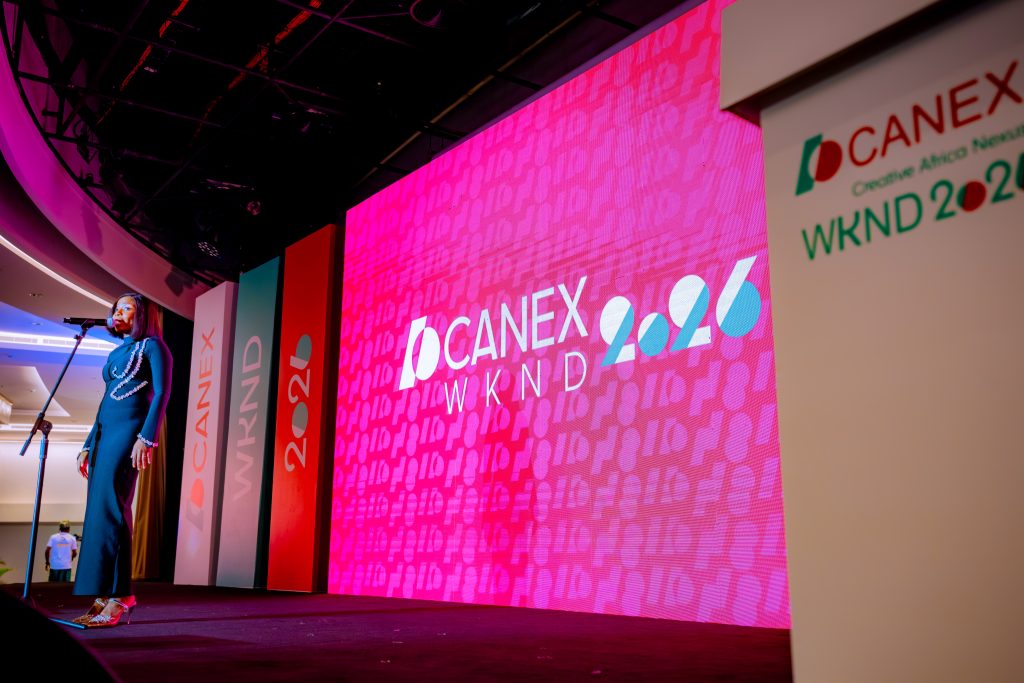
Nigeria’s Vice President, Kashim Shettima, captured the shift at the opening. “In 1977, we came to celebrate our culture,” he said. “In 2026, we come to capitalise on it.”
The distinction matters. African music, film and fashion have built audiences around the world, but cultural visibility has not always translated into ownership, reliable financing or strong returns for the people and businesses producing the work. CANEX is an attempt to address that gap by treating creativity as part of the continent’s trade and industrial economy.
Africa’s creative economy is valued at about US$60 billion, or roughly 2 per cent of the global creative industry, according to UN Economic Commission for Africa figures cited at the event. The scale of the sector sits uneasily beside the international reach of Afrobeats, Nollywood and African fashion.
Afreximbank president Dr George Elombi pointed to a problem that goes beyond the cost of making a film or recording an album. “We can put these financing schemes into music and movie productions,” he said. “Yet the value we derive will still be low.”
Production finance alone cannot determine who owns the rights, controls distribution or earns revenue when a work travels beyond its original market. A film may be made locally but rely on foreign platforms to reach audiences. A designer may build a recognised label but struggle to finance production or move stock across borders. A musician may attract international listeners while facing difficulties collecting royalties and accessing new markets.
These are connected challenges. Creative businesses need capital, but they also need intellectual property systems that recognise and protect their work, distribution networks that connect them to audiences, and payment and trade systems that make cross-border business practical. Without those structures, increased production does not necessarily mean increased economic value stays with the creators or their businesses.
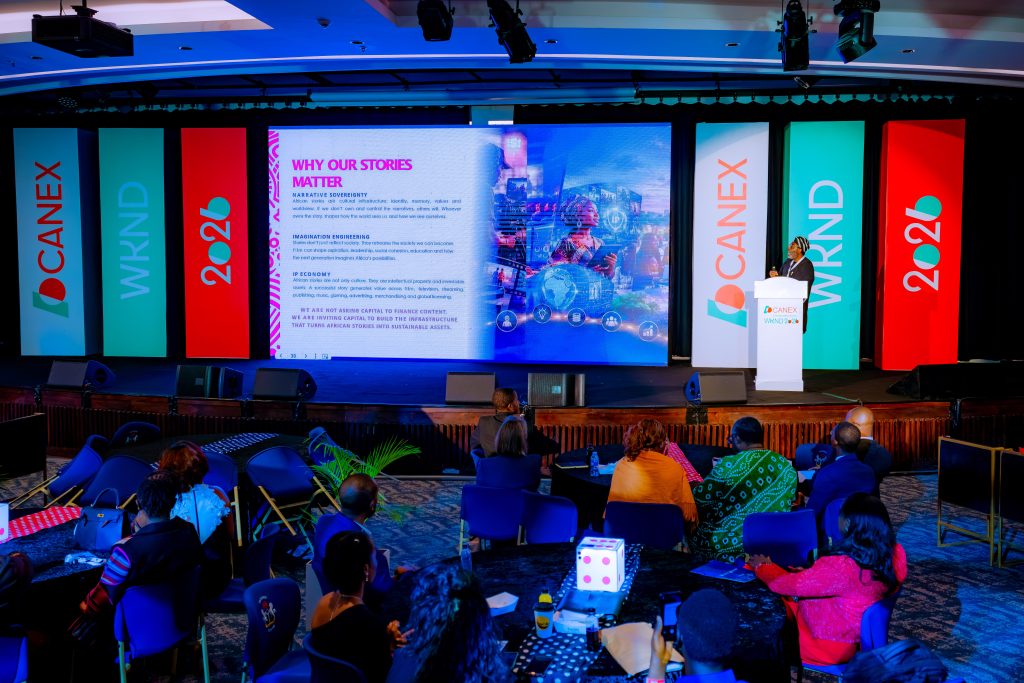
This is where Afreximbank sees a role for itself. Its Creative Africa Nexus programme, known as CANEX, began in 2020 with a US$500 million commitment. The bank later increased the commitment to US$1 billion, then announced a further increase to US$2 billion in 2024, covering the period to 2027. The figure was therefore not a new US$2 billion announcement in Lagos this year. CANEX WKND 2026 provided an opportunity to show how the existing commitment could support creative businesses and connect them to markets.
At the Lagos gathering, Afreximbank also set a target of at least US$1 billion in capital commitments and deals. That target was separate from the wider US$2 billion CANEX commitment. The bank pointed to the previous edition in Algiers, where deals worth about US$540 million were reported.
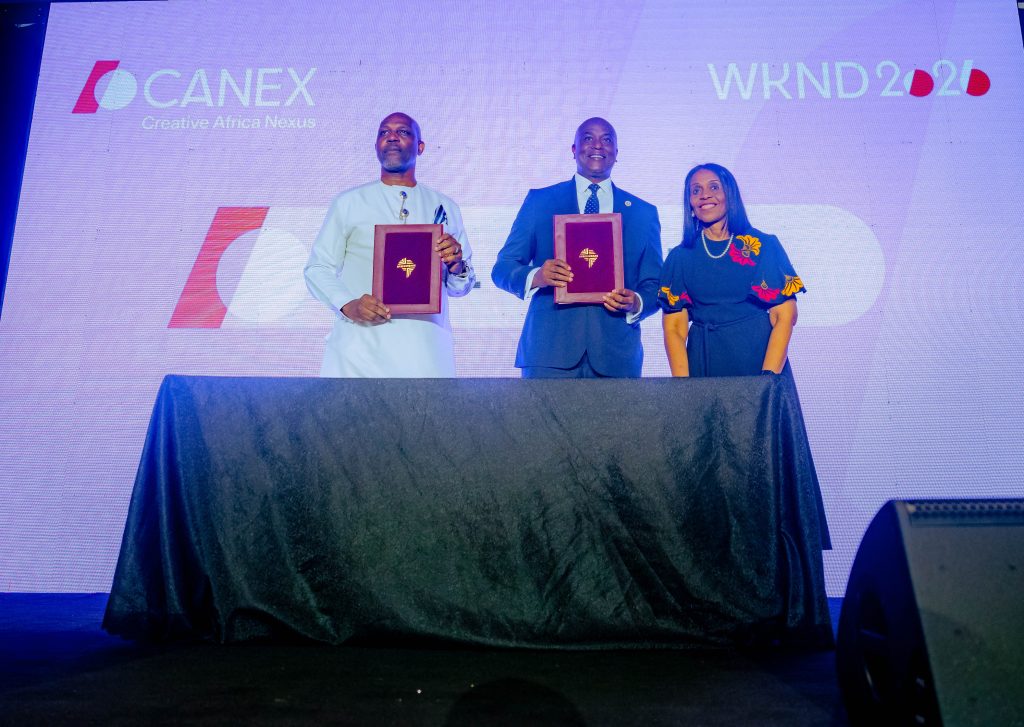
One of the concrete announcements in Lagos was a US$75 million facility to the Development Bank of Nigeria, intended to expand financing for small and medium-sized businesses, including those in the creative sector. The facility is expected to work through the bank’s partner financial institutions, supporting needs such as working capital, equipment and export-related activity. It is not a grant paid directly to individual artists, but a financing channel intended to help businesses access capital.
CANEX Creations, Afreximbank’s investment arm, also formalised an equity investment in CREAM, the creator and entertainment platform founded by Nigerian musician D’banj. The value of the investment was not disclosed. The deal is significant because it points to an approach beyond financing individual productions: investing in platforms and businesses that can help creators monetise their work and reach audiences.
The event’s wider programme reflected the same ambition. The CANEX Create-thon, organised with technology company Gebeya, attracted nearly 6,000 participants from 43 countries and received 792 entries across gaming, video and music. Its focus on practical creative and digital skills connected the cultural programme to the technology and business capabilities required to build sustainable companies.
Other discussions examined the conditions needed for African creative work to circulate within the continent. The “Made in Africa, Watched in Africa” study looked at audiences, distribution and financing, while sessions on a single African market for culture explored the barriers that still make it difficult to sell creative products across borders. These questions are central to the African Continental Free Trade Area: creative work can be an export, but only if businesses can navigate the rules, payments and distribution systems that allow trade to happen.
Nigeria used the event to highlight its own policy efforts, including its National Intellectual Property Policy and Strategy, approved in 2025, and the Investment in Digital and Creative Enterprises programme. Those initiatives provide a national context for the discussions, although the larger challenge is continental. African creative businesses need systems that allow them to grow beyond their home markets rather than remain dependent on a handful of major cities or international intermediaries.
The question now is how much of the ambition announced in Lagos will translate into operating businesses, jobs and income. More than US$500 million in proposed deals was reported to be under discussion in the event’s deal rooms. Proposed deals are a pipeline, however, not completed transactions or money already disbursed. As of mid-November, a final total for the weekend had not been published, and the public details of how the wider US$2 billion commitment will be allocated remain limited.
That distinction should matter to the creative sector. The measure of CANEX will not simply be the size of its financing commitments or the number of people who attend. It will be whether businesses can obtain the capital they need, whether creators retain and earn from their intellectual property, whether African platforms can compete for audiences, and whether creative products can move more easily between African markets.
FESTAC ’77 brought the continent and its diaspora together to celebrate cultural achievement. CANEX is asking what economic structures must follow that recognition. The building in Iganmu has heard applause before. The next measure of success will be found in the businesses that endure, the rights that generate income and the creative work that can travel across borders while returning value to the people who make it.