
Africa’s trade environment is entering a period of cautious optimism. Improvements in infrastructure, rising business confidence and the gradual implementation of the African Continental Free Trade Area (AfCFTA) are creating stronger conditions for cross-border commerce across the continent. Yet, the continent’s trade transformation remains uneven, with macroeconomic pressures, climate risks and shifting global trade relationships shaping the trajectory ahead.
The latest Africa Trade Barometer, released by Standard Bank, covering ten key markets that collectively represent nearly 70% of Sub-Saharan Africa’s GDP, suggests that Africa’s trade ecosystem is evolving toward greater resilience and integration.
Infrastructure Investment Is Changing the Trade Landscape

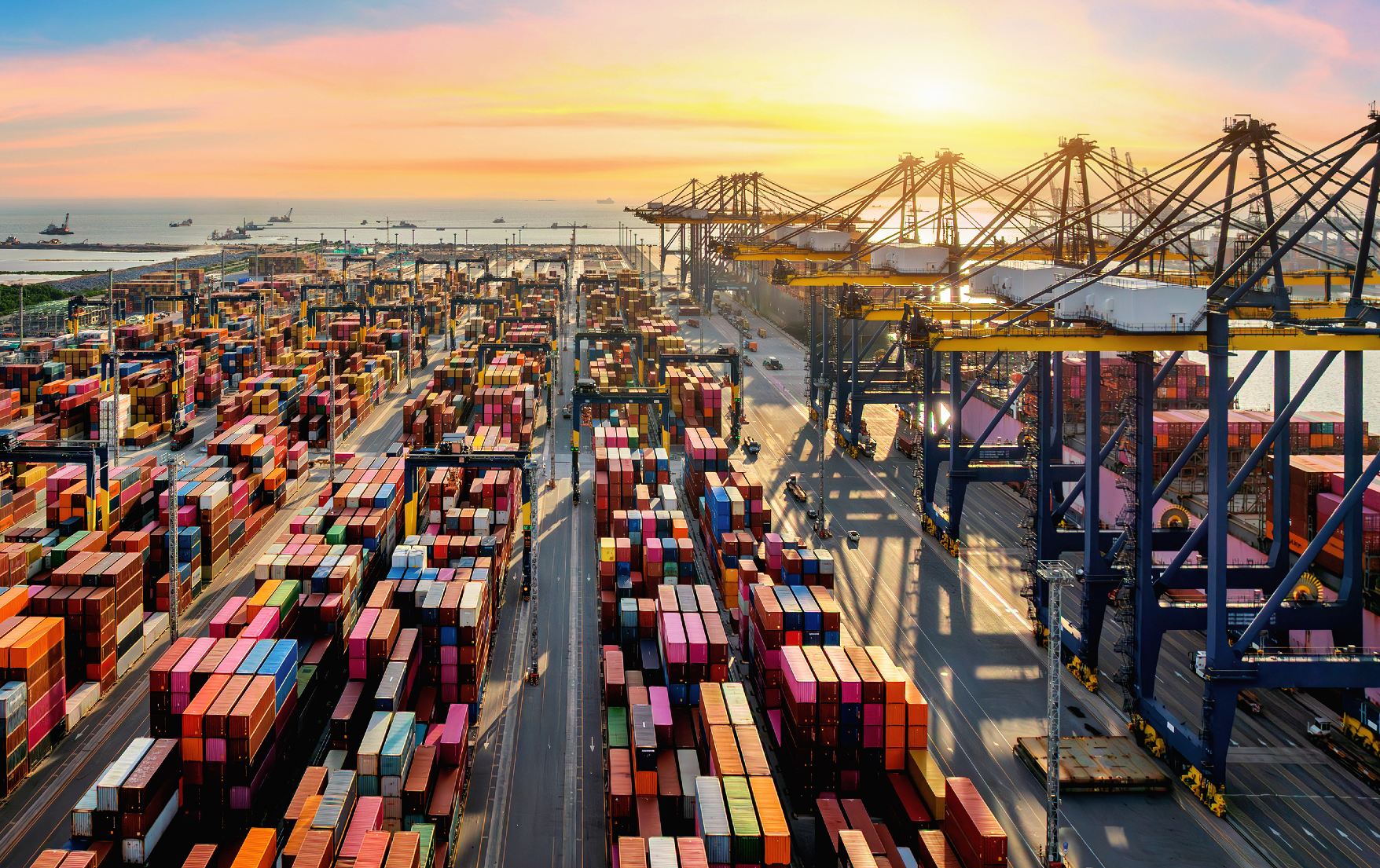
One of the most significant findings is the improvement in trade-enabling infrastructure across the surveyed markets. For the first time since the barometer’s launch, firms reported simultaneous improvements across all major infrastructure categories – including power supply, transport networks, telecommunications and digital border systems.
These improvements are not trivial. Reliable energy, modern ports and efficient transport corridors remain among the most critical foundations for regional trade. Businesses across the continent reported stronger performance in logistics and infrastructure systems that reduce border delays and improve supply-chain predictability.
The result is a measurable shift in business sentiment. The average business confidence index across surveyed countries rose to 65, signalling a growing expectation among firms that trading conditions will stabilise and improve in the coming years.
For African economies seeking to deepen regional trade, this is a significant signal: infrastructure investment is beginning to translate into operational gains for businesses.
East Africa Emerges as a Regional Trade Leader
Among the regions surveyed, East Africa stands out as the strongest-performing sub-region. Export activity in the region increased by approximately ten percentage points, driven by policy coordination and trade facilitation reforms.
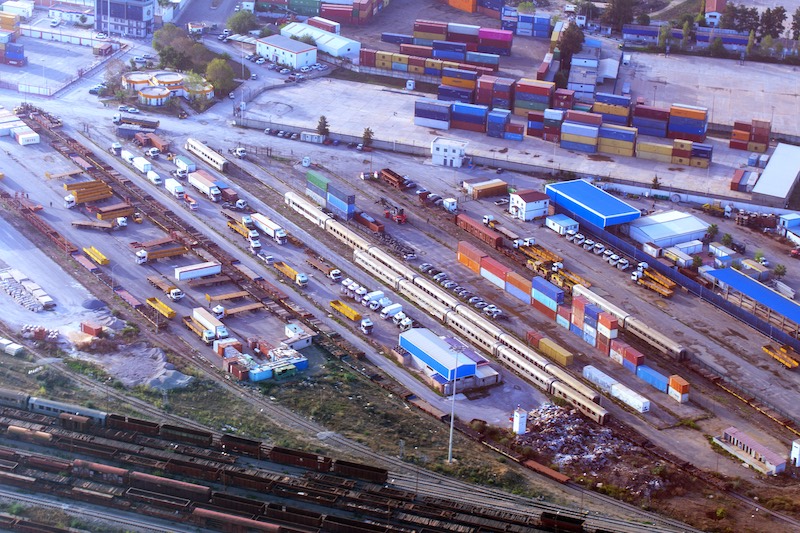
Kenya, in particular, has emerged as a key anchor for regional integration. A landmark agreement between Kenya and Uganda to treat goods originating in Kenya as intra-regional transfers rather than imports has reduced administrative friction within the East African Community. At the same time, commitments by Kenya and Tanzania to remove non-tariff barriers are strengthening cross-border flows.
Combined with upgrades to major transport corridors, these reforms are lowering transaction costs and enabling businesses to scale regional operations more confidently.
This momentum suggests that East Africa is increasingly translating political commitments to regional integration into practical trade outcomes.
Digital Payments Are Transforming Cross-Border Trade
Another transformative shift is the rapid adoption of digital financial systems.
Across the surveyed markets, digital payment systems now facilitate roughly 78% of cross-border sales and 79% of purchases.
This surge reflects the growing role of bank-led payment infrastructure, mobile money integration and continental platforms such as the Pan-African Payment and Settlement System (PAPSS). These systems allow businesses to settle transactions in local currencies, reducing reliance on hard-currency intermediaries and lowering transaction costs.
For small and medium-sized enterprises – which represent the majority of African businesses – digital payment infrastructure is becoming an essential enabler of regional commerce.

A Shifting Global Trade Map
Africa’s trade relationships are also evolving in response to geopolitical changes.
Businesses surveyed increasingly cited Asian markets, particularly China, as preferred trade partners, driven by competitive pricing, supply reliability and product variety.
At the same time, engagement with North American markets is declining due to tariff changes and uncertainty surrounding trade arrangements such as the African Growth and Opportunity Act (AGOA).
These shifts highlight a broader realignment of global trade flows, with African businesses diversifying supply chains and export destinations in response to geopolitical and economic pressures.
Climate and Fiscal Pressures Still Loom
Despite the improving outlook, structural risks remain. Climate change is already affecting commercial activity across the continent. Around 38% of surveyed firms reported shifts in demand linked to climate impacts, while 32% cited productivity losses caused by extreme weather conditions.
Fiscal pressures are another constraint. Many firms identified corporate taxation as one of the biggest barriers to cross-border trade, with a majority calling for tax relief measures to stimulate regional commerce.
These pressures underscore the need for resilient infrastructure, climate-adaptive production systems and policy reforms that reduce regulatory friction.
Africa’s Trade Opportunity Is Real – But Execution Will Be Key
The broader picture emerging from the data is clear: Africa’s trade ecosystem is strengthening, but the transition toward a fully integrated continental market is still underway.
Infrastructure improvements, digital financial systems and AfCFTA implementation are creating new opportunities for regional value chains and industrial growth. Yet sustained progress will depend on coordinated policy reforms, continued infrastructure investment and the ability to manage macroeconomic volatility.
Africa’s role in global trade is no longer confined to raw commodity exports. Increasingly, the continent has the opportunity to position itself as a strategic node within global supply chains.
Whether this potential is realised will depend on how effectively governments, financial institutions and businesses translate momentum into long-term structural transformation.