
For generations, African integration has been spoken about as an aspiration. The continent has established regional organisations, negotiated free-trade agreements, removed some border restrictions and repeatedly affirmed its commitment to political and economic unity. Yet for millions of African businesses and citizens, the practical experience of the continent remains one of fragmentation.
Goods cross borders slowly. Payments frequently pass through foreign financial centres. Traders operating between neighbouring African countries must often acquire dollars or euros before completing transactions with one another. Currency fluctuations can erase already narrow margins, while conversion fees make regional commerce more expensive than it needs to be.
The proposed ECO could begin to change that.
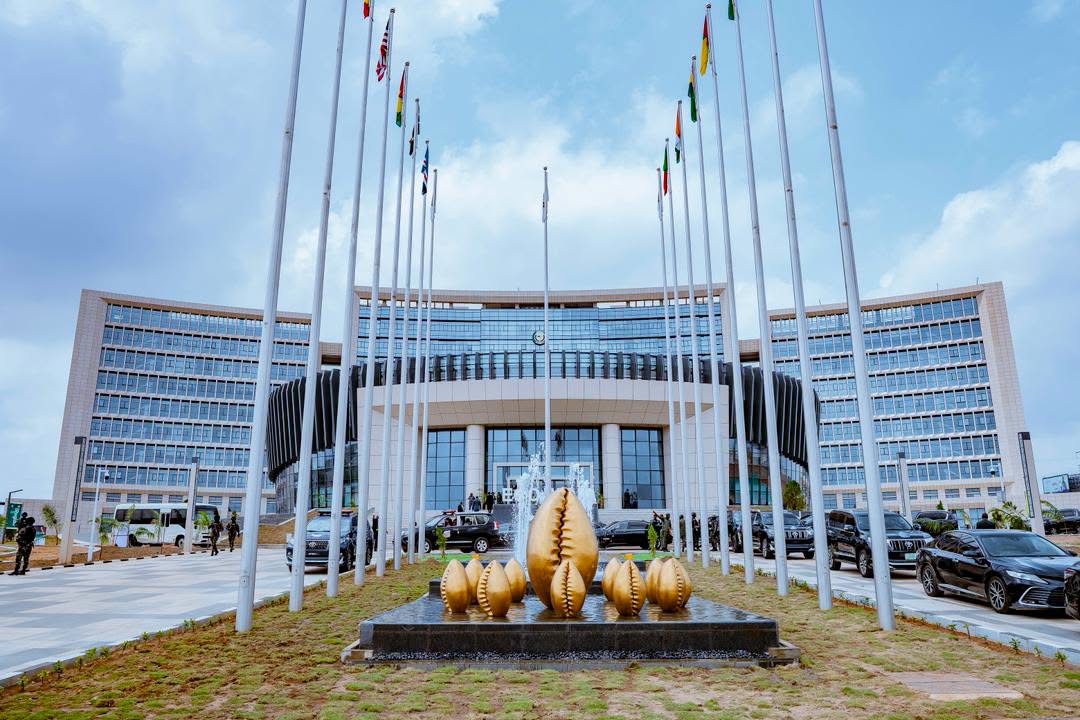
At their summit in Freetown, Sierra Leone, on July 19, 2026, the leaders of the Economic Community of West African States reaffirmed the regional priority of advancing the ECO single-currency project. ECOWAS has retained 2027 as the target contained in its existing roadmap, although the eventual launch is expected to depend on participating countries meeting the required economic and institutional conditions. The regional body continues to describe economic integration and interconnectivity as one of its central strategic priorities.

After more than two decades of delays, the likely path is no longer a perfectly simultaneous transition in which every eligible country enters on the same day. A more practical approach would allow countries that have demonstrated sufficient macroeconomic readiness to form an initial monetary area, while providing a clearly defined route for others to join.
The decision matters not only for West Africa. It could represent the beginning of a larger transformation in how Africa trades, finances its development and understands its collective economic power.
The ECO will not, by itself, create African unity. But a credible, independently governed and properly constructed common currency could become one of its most tangible expressions.
More Than a Change of Banknotes
A shared currency is sometimes presented as a largely technical undertaking involving central banks, inflation targets and foreign-exchange reserves. In reality, it is a profoundly political project.
A currency determines how value is measured, how commerce is conducted and who ultimately controls monetary policy. It affects the price of food, the availability of credit, the cost of imports, the competitiveness of exports and the ability of governments to respond to economic crises.
For West Africa, the ECO therefore raises a defining question: can countries with different economic structures pool part of their national monetary authority in exchange for greater regional power?
The potential rewards are considerable.
A common currency could reduce the costs and uncertainties associated with converting between the naira, cedi, leone, dalasi, Liberian dollar, Guinean franc, escudo and CFA franc. It could make prices more transparent across borders, improve the predictability of regional contracts and help small and medium-sized businesses enter markets that currently appear administratively or financially inaccessible.
It could also make West Africa more legible to investors. Rather than approaching a collection of fragmented monetary jurisdictions, businesses could increasingly view the region as an interconnected commercial area governed by common rules and supported by an integrated financial system.
The greatest benefit, however, would be psychological as much as financial. A common currency would tell West Africans that regional integration is not simply something discussed at summits. It is something they can hold, earn, save and use.
From Colonial Currency to African Monetary Agency
For Senegal, Côte d’Ivoire, Benin, Togo and the other members of the West African Economic and Monetary Union, the ECO debate carries an additional historical significance.
The CFA franc was not originally created as a neutral African instrument. It was established by France on December 26, 1945, when its name explicitly meant the “franc of the French Colonies of Africa.” It formed part of a wider colonial monetary system through which France maintained control over exchange rates, convertibility, reserves and financial relationships across its African territories.
The original architecture placed African economies within a monetary space centred on France. Exchange and convertibility arrangements were organised through the French Treasury and the financial markets of Paris. Monetary decisions affecting African colonies were therefore embedded within the commercial, fiscal and geopolitical priorities of the colonial state.
That system served several purposes for France. It preserved a stable monetary area for French trade, facilitated access to colonial markets and resources, protected French commercial interests from exchange-rate uncertainty and kept the economies of its African territories closely connected to the French financial system.
The relationship evolved after independence. African central banks and regional monetary institutions were created, and the meaning of the CFA acronym was changed. In West Africa, it became the franc of the African Financial Community. Nevertheless, many of the central characteristics of the wider Franc Zone survived.
The West African CFA franc remains shared by Benin, Burkina Faso, Côte d’Ivoire, Guinea-Bissau, Mali, Niger, Senegal and Togo. It is issued by the Central Bank of West African States and maintains a fixed exchange rate with the euro. Its convertibility has historically been guaranteed by the French Treasury.
The system has provided a degree of exchange-rate stability and relatively controlled inflation. Its defenders argue that the peg protects purchasing power, encourages investor confidence and imposes monetary discipline.
Those advantages should be acknowledged. But stability is not the only measure of whether a monetary system is appropriate.
The central question is whether African governments and institutions possess sufficient authority to shape monetary policy around African development needs. A currency can remain stable while still limiting the ability of participating countries to respond independently to external shocks, support industrial transformation or adjust their exchange-rate policy in accordance with domestic economic conditions.
Reforms announced in 2019 sought to remove several of the most controversial features of the West African arrangement. The requirement for participating states to centralise part of their foreign-exchange reserves with the French Treasury was to end, the operating account was to be closed and French representatives were to withdraw from key governing bodies. The fixed exchange rate with the euro and France’s convertibility guarantee, however, were retained.
The distinction matters. It would be inaccurate to describe the current CFA framework as entirely unchanged. Yet it would be equally inaccurate to suggest that the deeper debate over African monetary autonomy has been resolved.
The CFA franc continues to carry the institutional and symbolic weight of its colonial origins. It remains a currency whose external anchor lies in Europe and whose fundamental design emerged from a system originally created to organise African economies around French political and commercial interests.
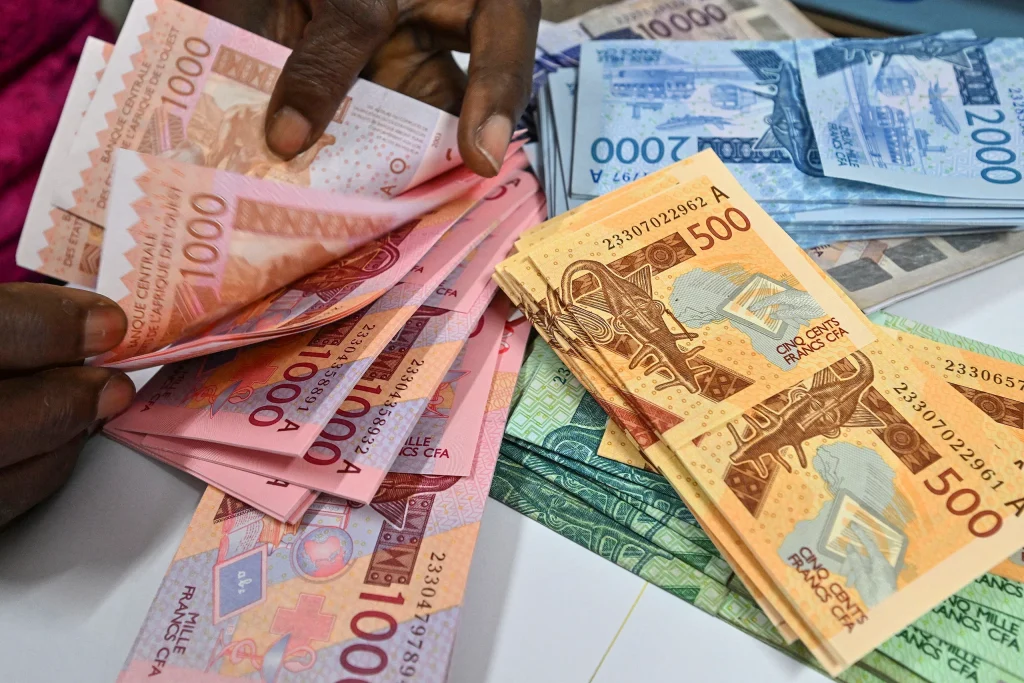
A genuine ECOWAS ECO must therefore be more than a rebranding exercise.
It should be governed by African institutions, accountable to participating African states and designed around the structure and priorities of West African economies. Its legitimacy will depend on whether citizens believe it represents a transfer of monetary power towards West Africa, rather than a revised presentation of an older arrangement.
For Senegal and the other West African CFA-franc economies, moving into a credible regional ECO could represent a significant assertion of economic agency. But that will only be true if the new currency possesses an independent monetary framework and is not simply the existing euro-linked system operating under a different name.
The Sahel and a Changing West African Monetary Map
The emergence of the Alliance of Sahel States adds another layer of complexity.
Mali, Burkina Faso and Niger have withdrawn from ECOWAS and established a confederation intended to deepen their political, security and economic cooperation. The three governments have spoken forcefully about sovereignty, self-reliance and reducing their dependence on external powers. They have also announced plans for closer cooperation in areas including infrastructure, investment and regional development.
This has naturally generated speculation that the three countries could eventually establish their own central bank and currency.
That possibility should not be dismissed over the longer term. A shared Sahelian currency could conceivably become part of the alliance’s pursuit of greater institutional autonomy. It would also represent a direct challenge to the continued use of the CFA franc.
But it is important not to present speculation as fact.
Mali has rejected reports that an imminent three-state Sahel currency is being prepared, describing those claims as false. Mali, Burkina Faso and Niger also remain members of the West African Economic and Monetary Union and continue to use the CFA franc. Leaving ECOWAS did not automatically remove them from the separate monetary union.
The Sahel states therefore occupy an unusual position. Politically, they are constructing a new regional bloc outside ECOWAS. Monetarily, they remain within a CFA-franc system shared with several ECOWAS countries.
Over time, they may face a choice between remaining within the existing West African monetary union, establishing a separate Sahelian currency or negotiating some form of participation in a future ECO.
The most constructive outcome would be one that prevents political disagreement from producing permanent economic fragmentation. West Africa’s long-term interests are not served by the creation of multiple incompatible monetary spaces that make regional trade more difficult.
A future ECO should therefore retain an open architecture. Even if Mali, Burkina Faso and Niger do not participate at the beginning, there should be a credible path through which the Sahel states could eventually align with or join a wider West African monetary area.
Regional sovereignty should not require regional separation.
The Challenge of Building One Monetary Policy
The case for the ECO is powerful, but optimism should not require pretending that monetary union is easy.
West African economies do not move in perfect alignment. Nigeria is a major oil producer, while many neighbouring countries are oil importers. A rise in energy prices can benefit one economy while damaging another. Agricultural cycles, government debt, inflation, foreign-exchange reserves and levels of industrial development also vary considerably across the region.
A common central bank would have to establish one monetary policy for countries experiencing potentially different economic conditions. The interest rate required to contain inflation in one member state may be inappropriate for another confronting unemployment or weak economic growth.
That is why convergence criteria matter.
Countries entering a monetary union must demonstrate sustained discipline in areas such as inflation, public debt, fiscal deficits and central-bank financing of government expenditure. They must also improve the quality and comparability of their economic statistics.
Without this preparation, financially stronger members could be required to absorb the consequences of weaker fiscal management elsewhere. Individual governments would also lose some of the tools they currently use during crises, including unilateral currency devaluation and the independent adjustment of interest rates.
The ECO has missed previous target dates because the necessary convergence has proven difficult to achieve consistently. That history should encourage preparation, but it should not become an argument for permanent postponement.
The phased approach may therefore be the most realistic path forward.
Rather than waiting indefinitely for every country to meet every requirement at precisely the same time, a smaller group of prepared states could establish the first ECO area. Other countries could enter once they achieve the required economic and institutional standards.
That model would allow momentum without abandoning discipline. But the entry rules must remain transparent and credible. Political considerations cannot be allowed to override economic readiness, and participation cannot become a symbolic prize distributed by heads of state.
A common currency requires a common standard.
Nigeria’s Responsibility
No discussion of the ECO can avoid Nigeria.
As the region’s largest economy and most populous country, Nigeria would exert enormous influence over any West African monetary union. Its participation would provide the ECO with scale, liquidity and international visibility. Without Nigeria, the currency could struggle to achieve its full strategic potential. With Nigeria, however, smaller countries may fear that regional monetary policy will become an extension of Nigerian priorities.
This makes institutional design critical.
The future West African central bank must not simply reproduce national power imbalances at the regional level. Its governing bodies will require credible representation, technical independence and legal protection from political interference. Decisions should be based on the stability and development of the union as a whole, rather than the short-term electoral or fiscal requirements of any one government.
Nigeria must approach the ECO not merely as the largest member, but as the principal guarantor of confidence in the project. Leadership will require restraint as well as influence.
A successful ECO would ultimately strengthen Nigeria. It would expand the effective market available to Nigerian companies, deepen regional supply chains and increase the international weight of West Africa.
A Currency Must Be Accompanied by a Real Economy
The ECO cannot become a substitute for industrial policy.
A region does not become economically integrated simply because its countries use the same money. Roads must connect production centres to markets. Customs systems must communicate with one another. Electricity must be reliable. Capital must reach businesses. Agricultural and industrial standards must be harmonised, and restrictions that continue to impede the movement of goods must be removed.
Otherwise, West Africa risks creating a common currency without creating a sufficiently integrated productive economy beneath it.
The ECO should therefore be understood as one component of a larger regional project. It must operate alongside the ECOWAS Trade Liberalisation Scheme, regional infrastructure investment, integrated energy markets, freedom of movement and the African Continental Free Trade Area.
The objective is not merely to make it easier to purchase imported products in a shared currency. It is to make it easier for cocoa processed in Ghana to be sold in Senegal, for Nigerian manufacturing inputs to reach factories in Côte d’Ivoire, for Senegalese financial services to enter Sierra Leone and for regional capital to finance regional industry.
It should make it easier for West African minerals to be processed within West Africa, for agricultural commodities to be transformed into finished products and for the value created by regional resources to remain within regional economies.
The real measure of the ECO will be whether it increases the amount that West Africans produce for, purchase from and invest in one another.
Building the Financial Infrastructure of Integration
Africa does not need to wait for a single continental currency before reducing its reliance on dollars and euros in intra-African commerce.
The Pan-African Payment and Settlement System already provides infrastructure through which cross-border payments can be initiated and received in African currencies. Instead of converting one African currency into a foreign currency before converting it again into another African currency, the system is designed to facilitate direct settlement across participating markets.
The ECO and continental payment infrastructure should not be viewed as competing ideas.
A pan-African payment system can connect multiple currencies across the continent. The ECO can remove the requirement for currency conversion altogether within its participating West African area. Together, these instruments could create a layered African financial architecture in which regional currencies operate through a continental settlement network.
That would help keep more African trade, liquidity, data and financial activity within African institutions.
It would also begin reducing the contradiction at the centre of intra-African commerce: that two African companies trading with one another may still need a currency issued outside Africa to complete the transaction.
East Africa Is Already Moving
West Africa is not alone in pursuing monetary union.
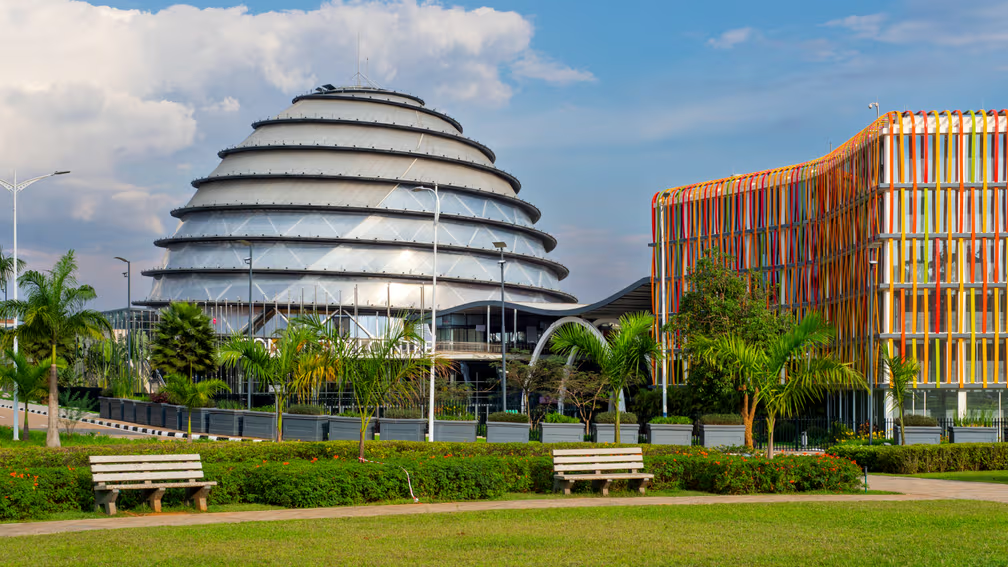
The East African Community signed its Monetary Union Protocol in 2013 and is working towards establishing a single currency by 2031. The regional project includes plans for greater macroeconomic convergence, harmonised financial regulation, coordinated fiscal and monetary policy and the institutional foundations of an East African central bank.
An East African currency could connect some of the continent’s most dynamic economies and trade corridors. Kenya’s financial and technological ecosystem, Tanzania’s scale and access to the Indian Ocean, Uganda’s agricultural and industrial potential, Rwanda’s services economy, the Democratic Republic of Congo’s mineral wealth, South Sudan’s energy resources, Burundi’s strategic location and Somalia’s commercial networks could form an increasingly powerful economic area. The benefits would extend beyond eliminating conversion costs.
Credit: 2026 Jennifer/stock.adobe.com
A credible East African currency could deepen regional capital markets, allow companies to raise financing across a larger jurisdiction and strengthen the development of regional value chains. It could support trade from the ports of Mombasa and Dar es Salaam into the continent’s interior and create a larger monetary platform for infrastructure, energy and industrial investment.
It could also strengthen East Africa’s position in global commerce. A currency representing a large, youthful and increasingly integrated market would possess greater negotiating and financial weight than the currencies of its individual members acting separately.
The region faces many of the same challenges as ECOWAS: uneven economic structures, debt vulnerabilities, differences in institutional capacity and concerns about the influence of the largest economies.
But those challenges are not arguments against integration. They are arguments for building the institutions required to sustain it.
Could Southern Africa Build Its Own Currency?
Southern Africa presents a different but equally significant opportunity.
The region already possesses elements from which deeper monetary integration could eventually grow. South Africa, Namibia, Lesotho and Eswatini participate in the Common Monetary Area, within which the currencies of the smaller members are linked closely to the South African rand. Botswana operates a separate but comparatively stable monetary framework, while the broader Southern African region includes major mineral producers, energy exporters, agricultural economies, financial centres and strategic Indian and Atlantic Ocean trade routes.
A future Southern African currency could create one of the world’s most resource-rich monetary areas.
It could connect the copper and cobalt belts of Zambia and the Democratic Republic of Congo, Botswana’s diamonds and critical minerals, Angola’s energy resources, South Africa’s financial and industrial infrastructure, Mozambique’s ports and gas reserves, Namibia’s emerging energy potential and the commercial and financial platform of Mauritius.
Such a currency would provide a larger foundation for regional infrastructure bonds, industrial investment, commodity financing and cross-border capital formation. It could also help Southern Africa negotiate more effectively with multinational corporations and global powers seeking access to the region’s resources. But the project would have to be genuinely Southern African.
It should not become a simple expansion of the rand zone in which monetary policy is effectively determined in Pretoria. Smaller economies would require meaningful institutional representation, while a regional central bank would need a mandate reflecting the development and stability of the entire monetary union.
The lesson of the CFA-franc debate is that monetary integration cannot be sustainable when countries perceive themselves merely as users of someone else’s currency.
A Southern African currency would need to be created jointly, governed jointly and understood as a shared regional institution.
Regional Currencies as the Foundation of One African Currency
The emergence of strong regional currencies should not be understood as the alternative to a single African currency. It could be the pathway towards one.
West Africa could build around the ECO. East Africa could complete its planned monetary union. Southern Africa could develop a common currency from the foundations already created by its existing trade, financial and monetary relationships.
Central Africa could reform and Africanise its existing monetary structures, while North Africa could build deeper integration across its own economies and progressively connect with the monetary systems developing to the south.
These would not need to remain permanently separate blocs.
Regional currencies could first be linked through compatible payment systems, coordinated financial regulation, common reserve arrangements and the architecture of the African Continental Free Trade Area. As regional trade, production, capital markets and fiscal coordination deepen, those monetary areas could move towards formal convergence.
The long-term destination could be a single African currency supported by an African central bank and a genuinely continental financial system.
Such a currency would represent a market of more than a billion people, immense natural resources, expanding cities, a young workforce and some of the fastest-growing consumer economies in the world.
It would not immediately displace the United States dollar, the euro or the Chinese yuan. Nor should its success be measured solely by whether it becomes a dominant global reserve currency overnight.
But scale matters in the international monetary system.
A credible African currency backed by integrated regional economies could become a significant currency for trade, investment, commodity pricing and reserve diversification. It could give African countries greater capacity to finance commerce between themselves without relying on the monetary systems of external powers.
It could also provide the continent with more influence in negotiations concerning debt, trade, development finance, commodities and global monetary reform.
Today, individual African currencies frequently operate from positions of limited scale. They are vulnerable to movements in external interest rates, global commodity prices and demand for the dollar. A continental currency would not eliminate those pressures, but it could provide a larger and more resilient economic base from which to confront them.
The dollar draws its strength not only from the United States economy, but from the size of the financial, political and commercial system constructed around it. The euro derives influence from the collective weight of the European monetary area. The yuan’s international role reflects China’s industrial scale and its position within global trade. Africa’s economic weight is divided among dozens of currencies and monetary systems. Bringing that weight together would fundamentally change the equation.
Monetary Unity as Economic Sovereignty
A single African currency should not be pursued for symbolism. It must be connected to a broader programme of African production, industrialisation and value retention. A continental currency will only be as powerful as the economy beneath it.
Africa must manufacture more of what it consumes, process more of the resources it extracts, deepen its internal capital markets and develop supply chains that connect African producers to African consumers.
Monetary integration can support that transformation by creating larger pools of capital, reducing transaction costs and giving businesses access to markets beyond their national borders. It can help African infrastructure projects raise financing from African investors and enable African savings to support African industrial development. It could also provide a stronger basis for pricing African commodities in African monetary instruments.
For decades, many of the continent’s most valuable resources have been extracted, traded and financed through currencies and institutions controlled elsewhere. A stronger African monetary system would create the possibility of retaining more financial value, knowledge and decision-making power on the continent.
This is why the ECO matters.
It is not simply an attempt to make West African payments more convenient. It is part of a larger question about who controls African value and how the continent organises its economic future.
The ECO as a Statement of Intent
The ECO should not be judged solely by whether physical banknotes enter circulation in 2027.
It should be judged by the quality of the institutions established around it, the independence of its central bank, the discipline of participating governments and the degree to which it expands productive trade between West African economies.
A rushed launch without sufficient preparation could damage public confidence and set regional integration backwards. But perpetual delay carries its own cost.
Every year in which neighbouring African countries must rely heavily on foreign currencies and external financial channels to trade with one another reinforces the fragmentation the continent has spent decades promising to overcome.
The answer is not to abandon the ambition. It is to build the institutions capable of sustaining it.
West Africa now has an opportunity to demonstrate that African integration can be practical, sovereign and economically consequential. If the ECO succeeds, it could encourage East Africa to accelerate its own monetary union, reopen a serious conversation about a shared currency in Southern Africa and provide a bridge through which the Sahel states can eventually participate in a wider West African financial system.
From there, regional monetary areas could become the foundations of something even more consequential: a single African currency capable of representing the collective productive, commercial and demographic weight of the continent.
The result would be greater than the creation of new banknotes. It would be the emergence of an African monetary system capable of negotiating, trading and investing at the scale the modern global economy demands.
Africa already possesses the population, natural resources, entrepreneurial capacity and expanding consumer markets required to become one of the defining economic forces of this century.
What it has too often lacked is the infrastructure to combine that power.
A common currency cannot create unity on its own. But it can make unity usable.
The ECO may begin in West Africa. Its true significance, however, could be that it helps Africa finally build a currency, a market and an economic future equal to its continental scale.