
The continent’s next competitive advantage may be something far harder to extract, and far harder to fake.
For most of the past century, the global conversation about Africa’s place in the world has been a conversation about what the continent possesses: oil, minerals, arable land and a young population. Wealth was something to be found and taken out of the ground, rather than something built and sustained above it.
That framing is beginning to change.
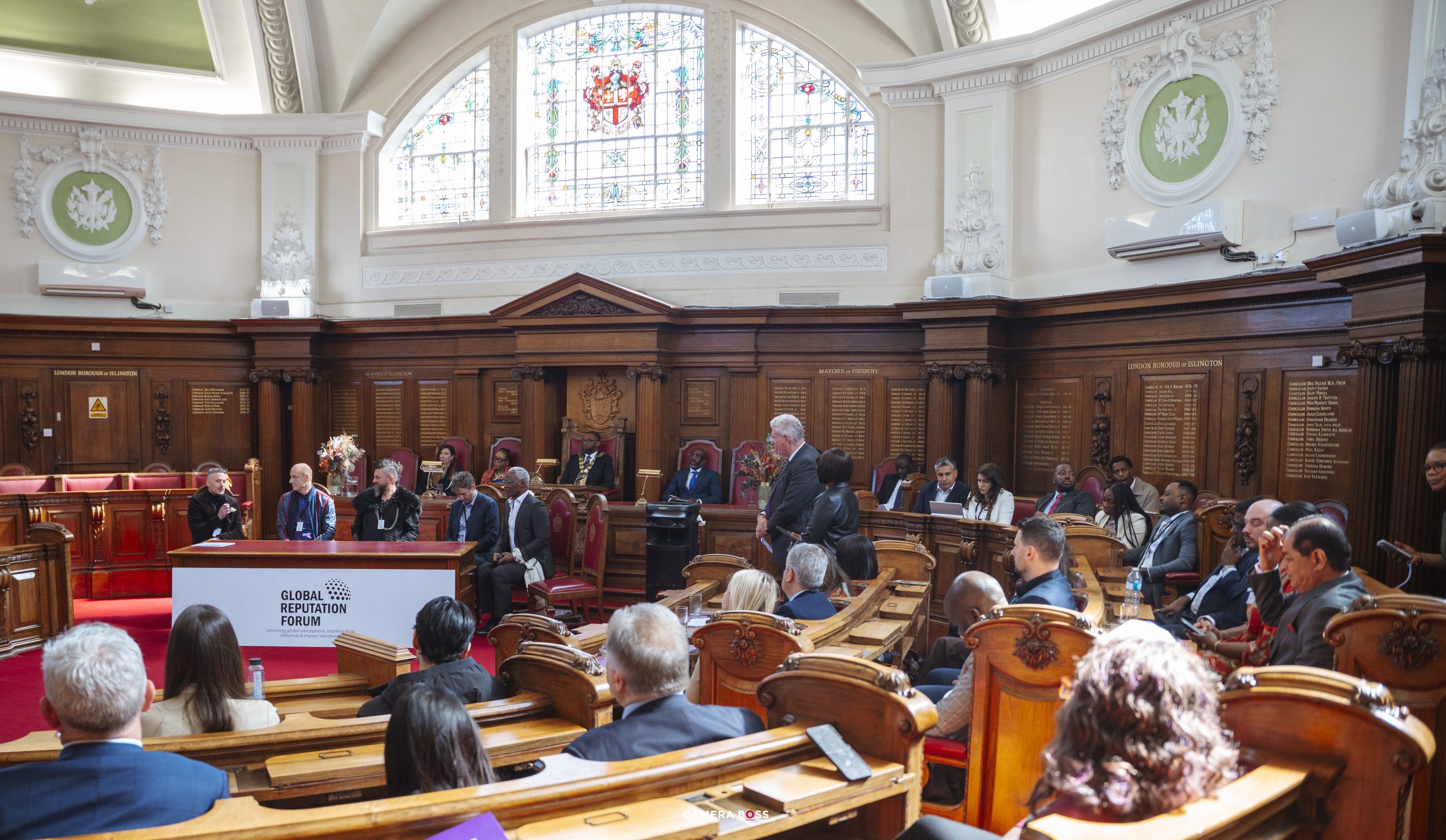
At the Global Reputation Forum in London this spring, investors sat alongside diplomats, while cultural figures were recognised alongside institutional leaders at the forum’s 100 Most Reputable Africans awards. A Grammy-winning South African musician was among those recognised, reflecting a broader argument running beneath the event: credibility and trust are becoming forms of power, and Africa is beginning to think about them more deliberately.
The claim matters because reputation increasingly shapes how countries, institutions and individuals are received beyond their borders.
For African countries seeking investment, stronger diplomatic relationships and greater global influence, credibility can determine whether an opportunity becomes a partnership. For businesses and institutions, trust can influence whether people are willing to invest, collaborate or listen.
Tonye Rex Idaminabo, a strategist with Reputation Poll International who helped convene the London forum, has been making that case for years. His argument is that reputation isn’t a communications function bolted onto the end of a strategy. It’s a discipline of leadership and governance in its own right, and for African institutions seeking durable influence abroad, building it takes the same rigour as any economic or diplomatic plan.
Put that way, the shift looks less like branding and more like infrastructure.
A leader who governs with visible accountability. An institution that communicates with consistency. A musician or filmmaker who carries their country’s story onto a global stage without flattening it.These aren’t soft-power decorations. They’re becoming part of how the continent gets taken seriously.
Reputation capital, in this sense, isn’t image management. It’s the accumulated trust that can make an investor more willing to enter a market, a diplomatic partnership more resilient and a country’s delegate more credible in a room where the terms of a deal are actually being set.
It builds slowly and can be wiped out by a single corruption scandal or a single broken promise. That is precisely why countries treating reputation as strategy, rather than an afterthought, are worth watching.
Africa has long had to contend with international narratives dominated by conflict, corruption, crisis and resource extraction. But across the continent, governments, entrepreneurs, institutions and cultural figures are increasingly participating in the process of defining how Africa is seen and how it engages with the rest of the world.
African music, film, fashion and sport have become increasingly influential beyond the continent, giving African cultural figures platforms that reach audiences traditional diplomacy cannot always reach. But visibility alone is not enough. A strong reputation cannot be sustained by branding when institutions fail to deliver.
That is where the opportunity and the challenge lies.
Africa’s next chapter will still be written partly in mineral rights, infrastructure deals, energy projects and investment agreements. Those realities are not disappearing. But increasingly, it will also be written in whether the world believes African leaders, institutions and businesses will do what they say.That belief cannot be extracted. Nobody can ship it out in a container or drill for it offshore.It has to be built.
And it may turn out to be the one asset no one can take away.