
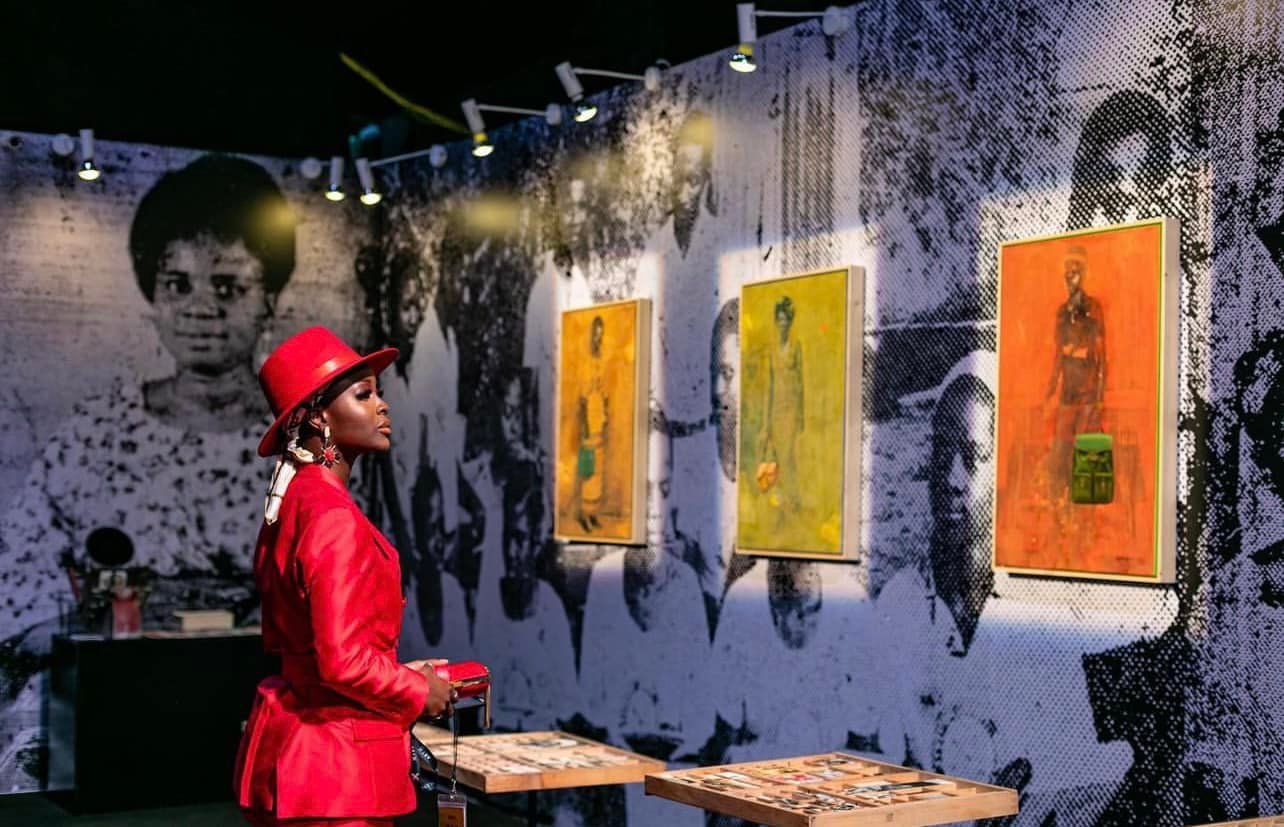
In the global narrative of economic development, Africa’s constellations of arts, culture and heritage remain vastly underestimated as sources of economic power. Art from the continent continues to be undervalued relative to works originating in Europe and North America, a disparity shaped by historical patterns of valuation within global art markets rather than any deficiency in creative talent in Africa. Yet the economic stakes are substantial. In 2024, the global art market generated an estimated US$57.5 billion in sales. Although this marked a 12% decline from the previous year, the scale of the market underscores the arts’ enduring economic significance.
Forced for decades into a narrow focus on extractive industries and subsistence growth, many African nations now face a compelling question: Can the arts, often dismissed as peripheral, become central to the continent’s economic transformation? The answer is increasingly clear. Growing global interest in African creativity suggests that art and culture are not merely aesthetic pursuits, but engines of inclusive growth, youth employment, tourism, soft power and global influence. However, achieving this potential will depend on African policymakers, private investors and cultural custodians adopting approaches to harness African cultural assets and developing cultural institutions better aligned with local priorities and market realities. This will require looking beyond traditional Western models and drawing lessons from alternative pathways.
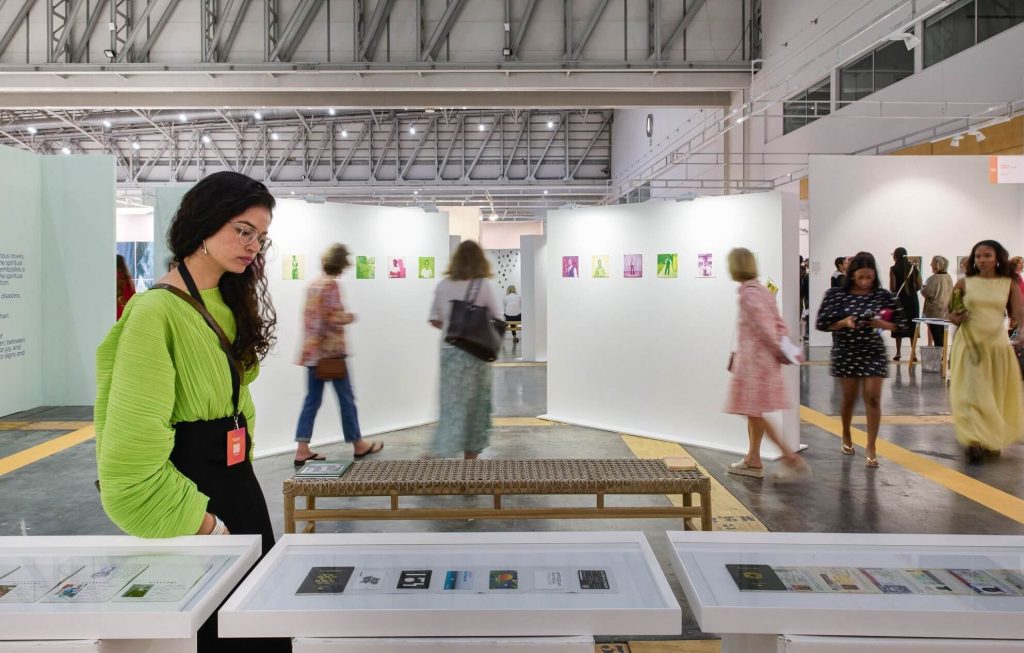
One such pathway is emerging in the Gulf. Qatar’s rapidly evolving cultural strategy demonstrates how strategic public and private investment in arts and culture can catalyse a broader economic and social ecosystem. Qatar has positioned itself as a rising global centre for culture, anchored by world-class cultural institutions, museums, landmark collections, creative infrastructure and international partnerships. These efforts now culminate in the inaugural edition of Art Basel Qatar, scheduled to launch in Doha in February 2026.
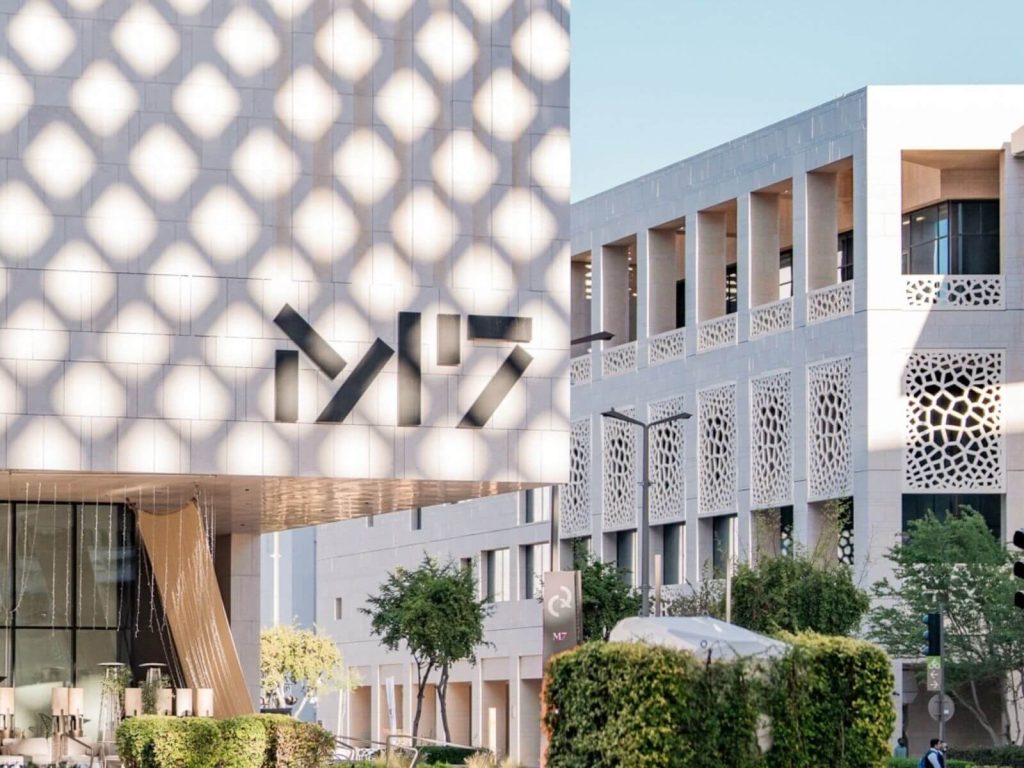
Qatar’s approach is not simply about hosting exhibitions; it is about building infrastructure that supports a creative economy. Projects such as fine art storage, logistics hubs, and the fostering of creative districts like M7 evidence a sophisticated understanding of art as an economic ecosystem that involves galleries, education, preservation, investment, commerce, and audience development.
Contrast this with Africa’s art sector today. African countries are proving that growth can happen even amid constraints, though much work remains. Over the past decade, the continent’s contemporary art market has expanded by an estimated 46%. Countries such as Ghana, Kenya, Nigeria and South Africa have emerged as critical nodes in the continent’s arts and culture map. Art X Lagos in Nigeria, Investec Cape Town Art Fair in South Africa, and 1-54 Contemporary African Art Fair Marrakech in Morocco are among the influential fairs on the continent showcasing African talent and drawing international audiences. The Switzerland-based Africa Basel will similarly elevate African artistic expression on the global stage in June 2026, cementing the continent’s creative relevance.
But despite these successes, Africa’s creative industries remain undercapitalised relative to their potential. A report published by the African Export-Import Bank highlights that cultural and creative industries across Africa are still underdeveloped and underfunded, even as they hold vast potential for employment, economic growth and social cohesion. Moreover, creatives often lack the infrastructure, institutional support, market education and collector networks that are prevalent in more established art centres.
African countries can draw five key lessons from Qatar’s strategic harnessing of art and cultural heritage to advance both social development and economic diversification.
- Build Infrastructure That Serves the Whole Ecosystem
Art Basel Qatar is more than a fair; it is embedded within a vibrant creative ecosystem. This includes not just the exhibition itself, but an established venue which is a dedicated creative district, M7, as well as storage facilities, logistics support and educational / residence programmes for creatives. African governments and cultural organisations must similarly invest in physical and institutional infrastructure that strengthens the entire creative value chain.
- Strategic Public-Private Partnerships and Investments Are Essential
Qatar’s model illustrates the importance of aligning cultural infrastructure with broader economic diversification goals. For African states, this suggests that ministries of arts and culture should no longer operate in isolation but as deliberate partners with relevant sectors, such as finance, tourism, education and urban planning. Public investment in museums, creative hubs and fairs can be leveraged to attract private collectors, art funds and global partnerships.
- Leverage Culture for Soft Power and Global Positioning
Qatar uses art not only to enrich local culture but to project soft power, enhance tourism and position itself as a hub where East meets West. African nations, too, can benefit from using cultural diplomacy to reshape global perceptions, attract global events and stimulate international cultural tourism.
- Integrate Cultural Policy into National Development Plans
Integrated into Qatar’s National Vision 2030 is the goal of showcasing its cultural heritage and positioning the country as a premier cultural hub. Similarly, the African Union’s Agenda 2063 envisions “an Africa with a strong cultural identity and common heritage” where African creative arts and industries are celebrated across the continent and contribute to both prosperity and global cultural engagement. This emphasis on culture is clearly already embedded within the continent’s broader development agenda. To fully realize this, policymakers in individual African countries must likewise integrate cultural and creative industries into national development frameworks, recognising the arts as a legitimate contributor to economic development, youth employment, tourism and innovation. Research shows that thriving creative industries create jobs at rates often higher than those of traditional sectors, particularly for youth and women.
- Harness Africa-Qatar Collaborations
African countries stand to benefit from strategic collaborations with Qatar, a nation that has deliberately invested in developing cultural institutions, preserving heritage sites and collections, and empowering creative talent. These partnerships are already taking shape. Through the Qatar-Africa Business Forum, Qatar has built meaningful engagement with the continent, including with individual African creatives. A recent example is an African woman being invited to curate the Threads of Impact exhibition in Qatar (27 October 2025 – 3 January 2026), which showcased designers from across the MENA region. Such initiatives demonstrate the potential for collaboration to strengthen a vibrant creative ecosystem that benefits African countries and Qatar.
Beyond the Luxury: Art as an Essential Pillar for Youth and Women
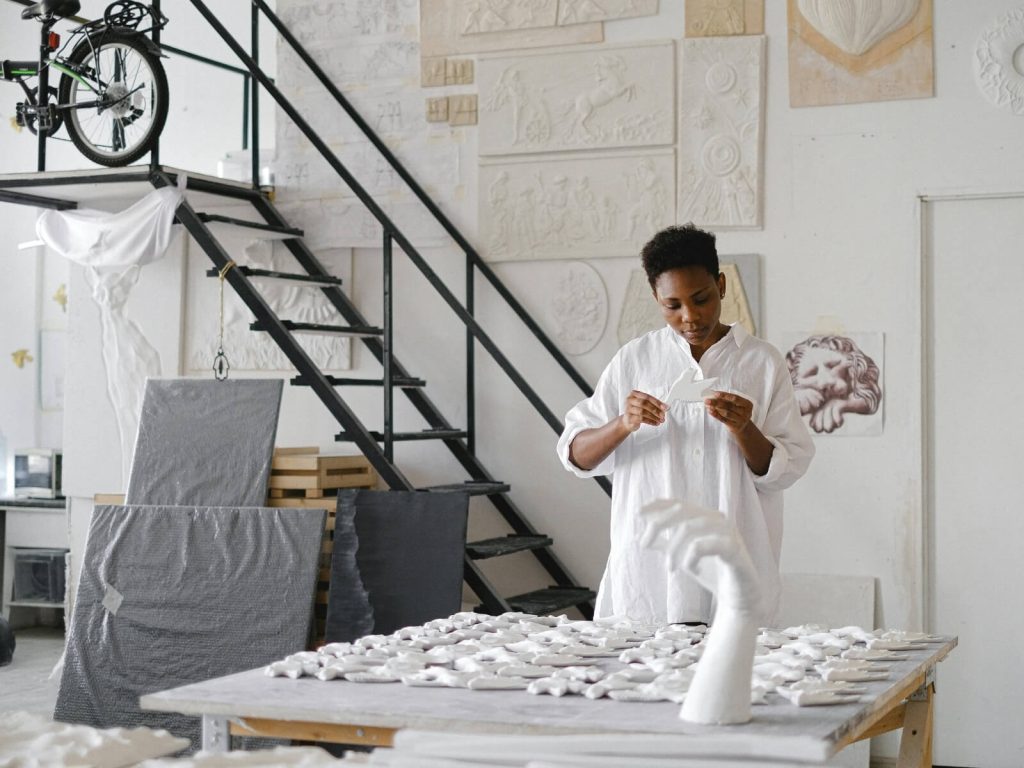
Africa’s art sector does not need to replicate Qatar’s approaches entirely. What it requires is strategic vision, investment in infrastructure and confidence in its markets. By deliberately investing in cultural institutions, nurturing creative talent and forging global partnerships (as Qatar has done), African countries can help correct the historical undervaluation of their art in global markets, demonstrating that creative excellence from the continent is on par with, and contributes uniquely to, international art scenes. Drawing on these lessons, Africa has the potential to rise from the margins of global art markets to a position of influence and recognition.
In doing so, the continent can not only expand its art markets but also create jobs, reinforce cultural identity, extend its global presence and foster diversified, inclusive and creative economies. Art, in this sense, is not only a luxury but also an essential pillar of 21st-century development and a key driver of Africa’s future on the world stage.